
Travel destination
Shandur Pass: Polo on the Roof of the World
A broad, lake-dotted plateau between Chitral and Gilgit-Baltistan, where the world's highest polo ground hosts a fiercely contested summer festival.
- Between Upper Chitral (KP) and Ghizer (GB)
- Altitude about 3,800 m (12,500 ft)
- Open roughly early summer to autumn
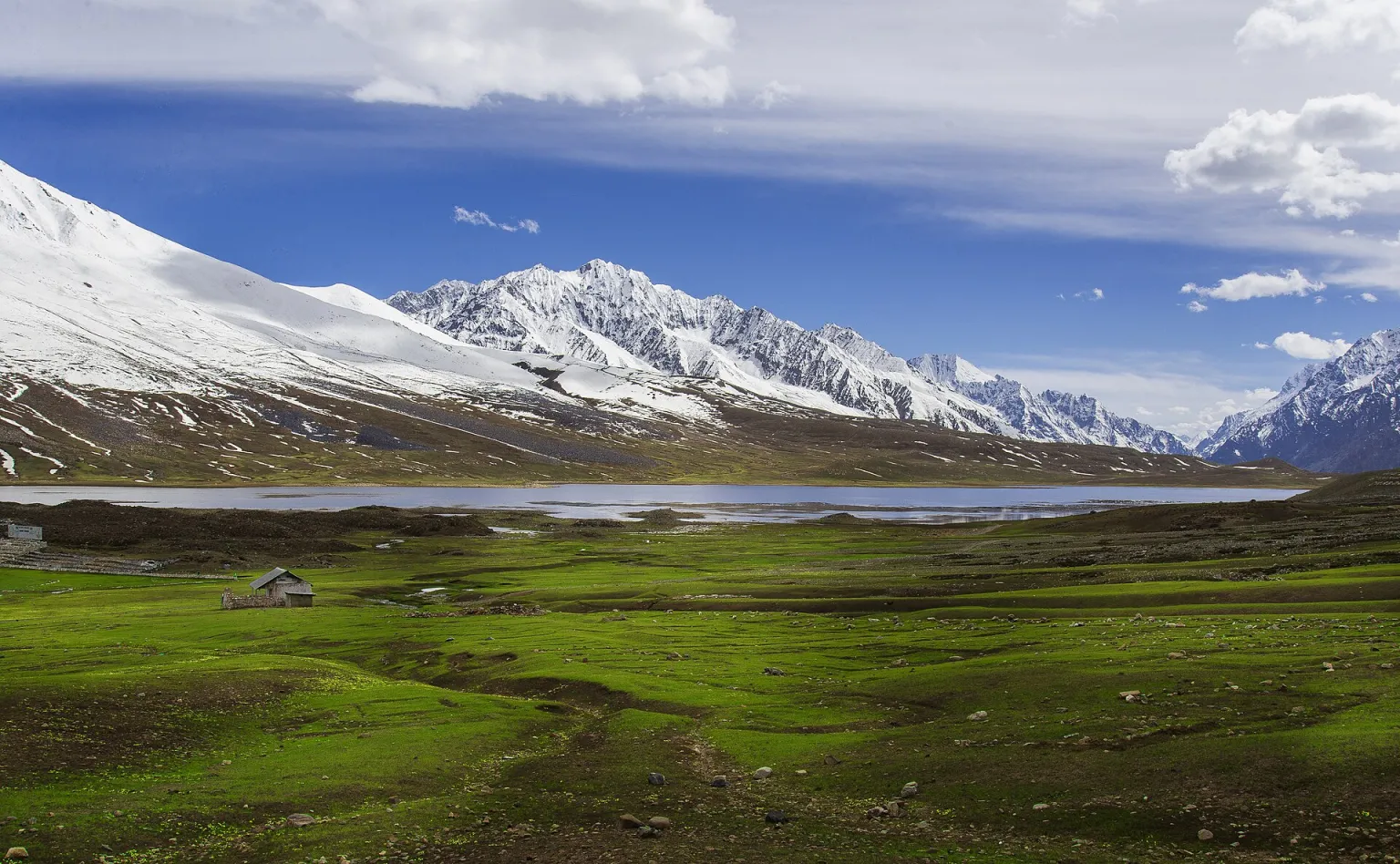
Shandur Lake and the Shandur plateau
About the Shandur Pass
Most mountain passes are a notch between peaks. Shandur is something else: a wide, grassy tableland at around 12,500 feet, ringed by snowy summits and scattered with shallow lakes and marshes. The largest, Shandur Lake, is roughly two kilometres long and mirrors the surrounding ridges on still mornings. The pass links the Laspur valley of Upper Chitral in Khyber Pakhtunkhwa with Ghizer district of Gilgit-Baltistan, and the jeepable road over it is one of the classic overland routes between Chitral and Gilgit.
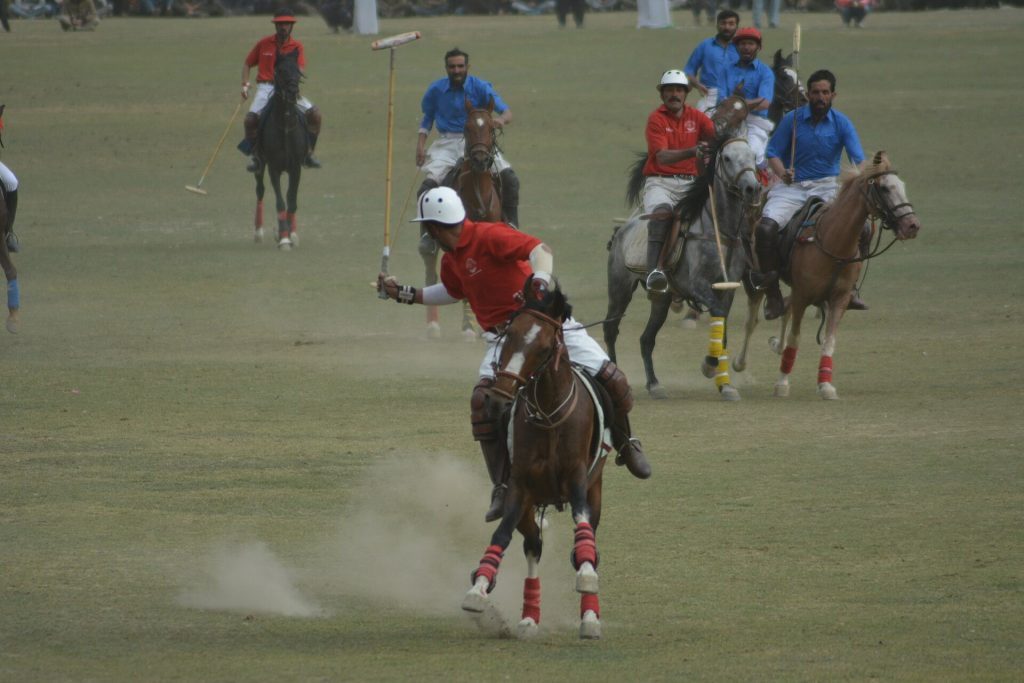
Shandur is best known for polo. A British political officer posted in Chitral organised the first tournament here in 1936, and local accounts credit him with a love of polo under a full moon. After a pause of several decades the event was revived in 1982 by Chitral's then deputy commissioner, Shakil Durrani, and the Shandur Polo Festival has since grown into one of Pakistan's best-known sporting and cultural gatherings, played on what is billed as the highest polo ground in the world.
The heart of the festival is the rivalry between teams from Chitral and Gilgit-Baltistan, playing the fast, physical freestyle game that grew up in these valleys. Around it, a temporary tent village appears on the plateau, with music, dancing, paragliding displays and angling competitions. Dawn reported crowds of about 30,000 for the 2026 final, which Gilgit-Baltistan won 6–5 with a last-minute goal.
The festival has not run every year: it was not held in 1999, during the Kargil conflict, nor in 2020 and 2021 because of Covid-19, and it was cancelled in 2024. Ownership of the Shandur area is also disputed between Khyber Pakhtunkhwa and Gilgit-Baltistan, with a boundary commission considering both claims; in recent years the two governments have organised the festival jointly. Outside festival days Shandur is quiet, cold and spectacular, a place for camping, birdwatching and long views rather than crowds.
At Shandur, the thin air turns spectators into players: everyone feels every goal.
Highlights of Shandur
The polo ground, the lake and the valleys that lead up to the pass.
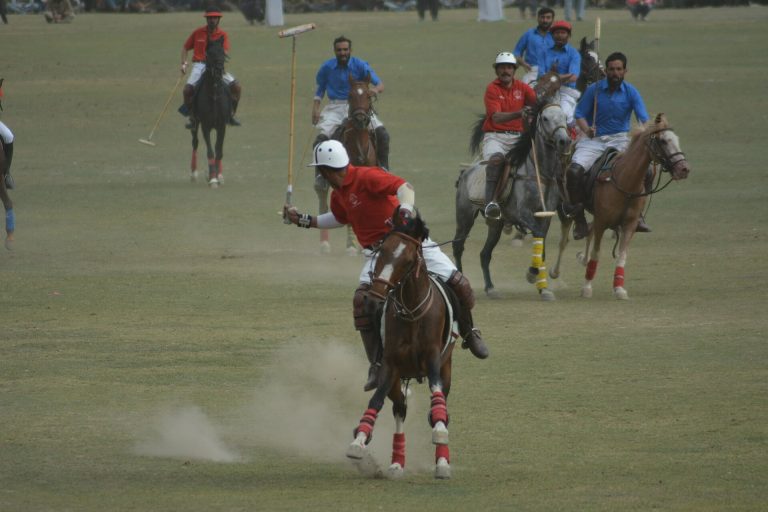 Shandur Polo FestivalA summer festival of freestyle polo between Chitral and Gilgit-Baltistan teams, with matches over several days leading to a final. It is usually held in June or July; in 2025 it ran from 20 to 22 June, moved earlier out of respect for Muharram, and in 2026 from 11 to 13 June.
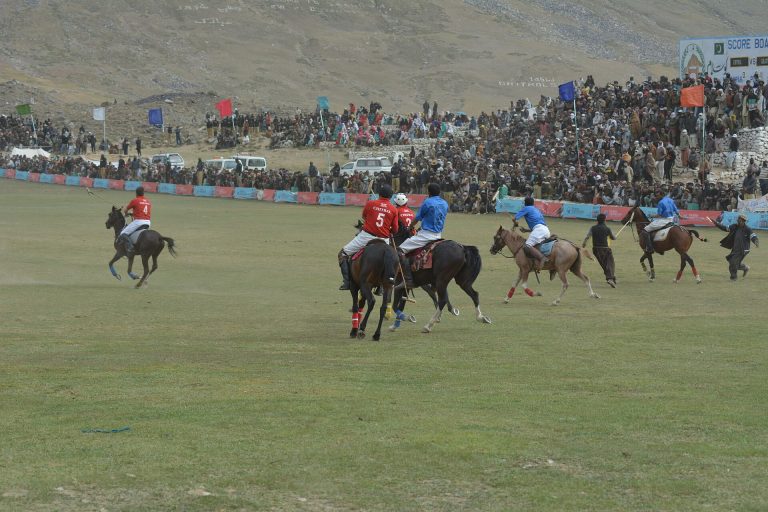 The polo groundA stone-walled ground on the plateau, billed as the highest in the world. Outside festival days it is open grassland where you can walk the field and imagine the noise of a final.
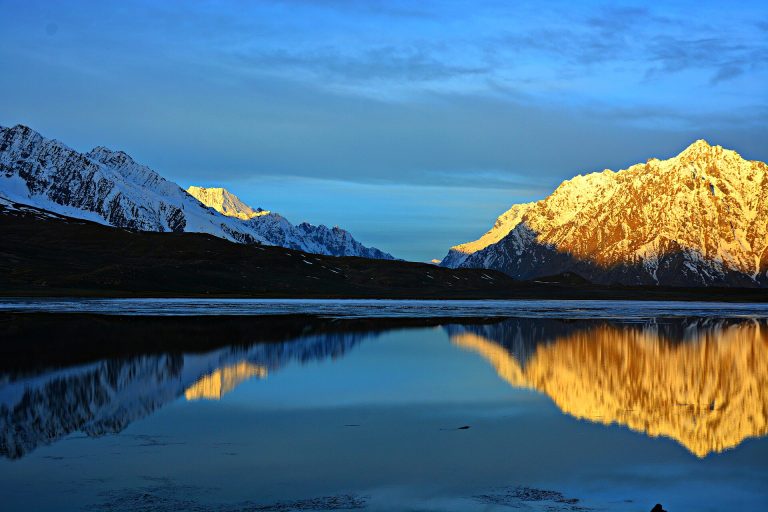 Shandur LakeA shallow lake about two kilometres long beside the polo ground, framed by snow peaks. Early morning brings the calmest water and the best reflections; nights are cold even in summer.
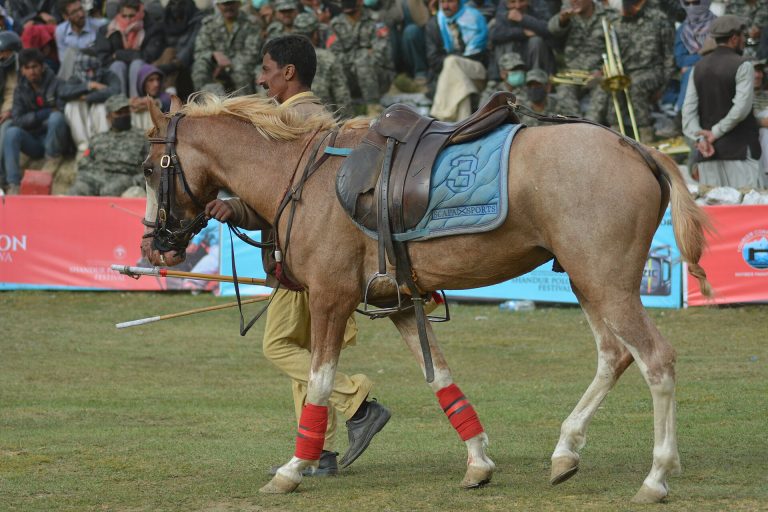 Festival tent villageDuring the festival a large tent village springs up for teams, officials and visitors, alongside cultural performances, music shows, paragliding displays and angling contests.
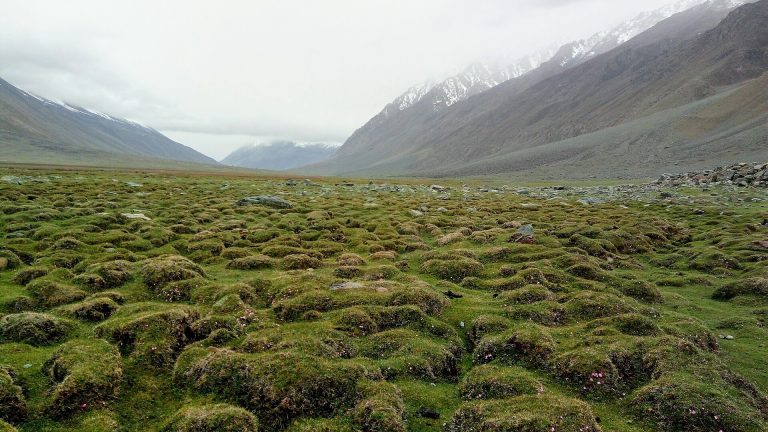 Phander and the Ghizer sideThe road east drops towards Phander, Gupis and Gilgit through a valley of blue lakes, rivers and fields. Langar and Hundarap nearby are known for trout fishing and camping.
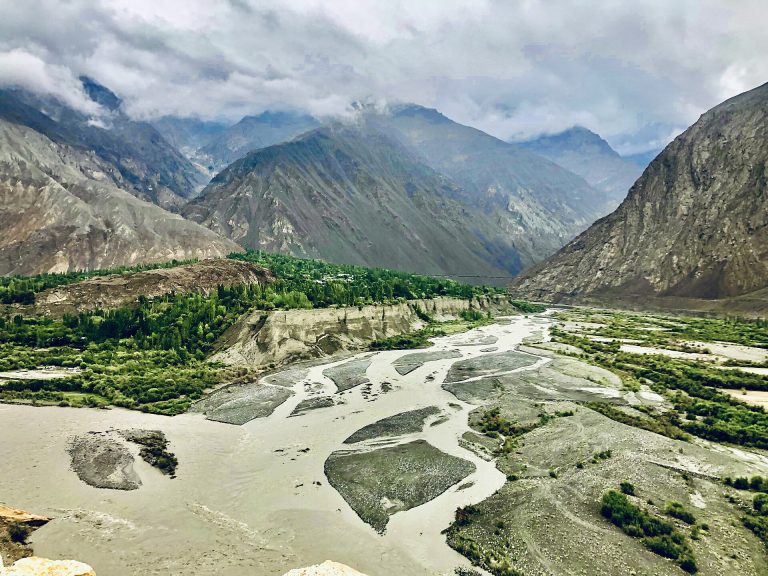 Laspur and MastujOn the Chitral side the road climbs from Mastuj through the Laspur valley, past villages and pastures, before topping out on the plateau.
Plan Your Trip
Shandur is high, remote and seasonal; plan for cold nights and basic facilities.
Best Time to Visit
Summer, ideally festival week
The road is generally passable from early summer into autumn, depending on snow. The festival takes place in June or July; dates are announced each year by the organising governments, so confirm before travelling.
How to Reach
From Chitral or from Gilgit
From Chitral, drive north via Booni and Mastuj, then up the Laspur valley. From Gilgit, follow the Ghizer valley via Gahkuch and Gupis; the final stretch from Gupis is a 61 km mountain road. Both routes include rough sections best tackled in a sturdy vehicle with an experienced local driver.
Where to Stay
Tents, or nearby valley guesthouses
During the festival most visitors sleep in the tent village or their own tents. At other times, stay in guesthouses in the Laspur valley, Mastuj, Phander or Gupis and visit Shandur as a day trip.
Weather & Altitude
Cold nights, strong sun
At around 3,800 m, nights can fall close to freezing even in summer and the sun is intense by day. Bring warm layers, sunscreen and a hat, ascend gradually and watch for signs of altitude sickness.
Culture & Etiquette
Two communities, one festival
Khowar is spoken on the Chitral side, and Shina, Khowar and other languages in Ghizer. Fans are passionate: cheer generously for both sides, dress modestly and ask before photographing people.
Permits & Advisories
Check before you travel
Carry a CNIC or passport for checkpoints. Foreign visitors should check current visa and registration requirements. Snow, rockfall and river crossings can affect the road, so check advisories and local authority guidance before setting out.
Itinerary Ideas
A crossing from Chitral to Gilgit with a night or two at Shandur.
- 1
Day 1: Chitral to Mastuj
Drive north from Chitral town via Booni to Mastuj, where the Laspur and Yarkhun rivers meet. Overnight in a guesthouse.
- 2
Day 2: Up to Shandur
Climb through the Laspur valley to the plateau. Walk around the lake and polo ground and settle into camp before the evening chill.
- 3
Day 3: Polo or a lakeside morning
During the festival, watch the day's matches and cultural programme. Otherwise, catch sunrise on the lake and explore the marshes and meadows on foot.
- 4
Day 4: Down to Phander
Descend east into Ghizer to Phander's lakes and riverside fields, with a detour to Langar or Hundarap if you fish.
- 5
Day 5: On to Gilgit
Continue via Gupis and Gahkuch to Gilgit, from where the Karakoram Highway leads on to Hunza.
Travel Responsibly at Shandur
- Take all rubbish away with you; the plateau has no year-round waste collection, and festival litter is a growing problem.
- Camp on established sites, away from the lake shore and marshes.
- Do not drive vehicles across meadows, wetlands or the polo ground outside marked tracks.
- Use biodegradable soap and keep washing water out of the lake.
- Respect herders and their livestock grazing on the pastures.
- Ask before photographing people, and dress modestly.
- Avoid travelling on the mountain roads after dark.
Nearby Destinations
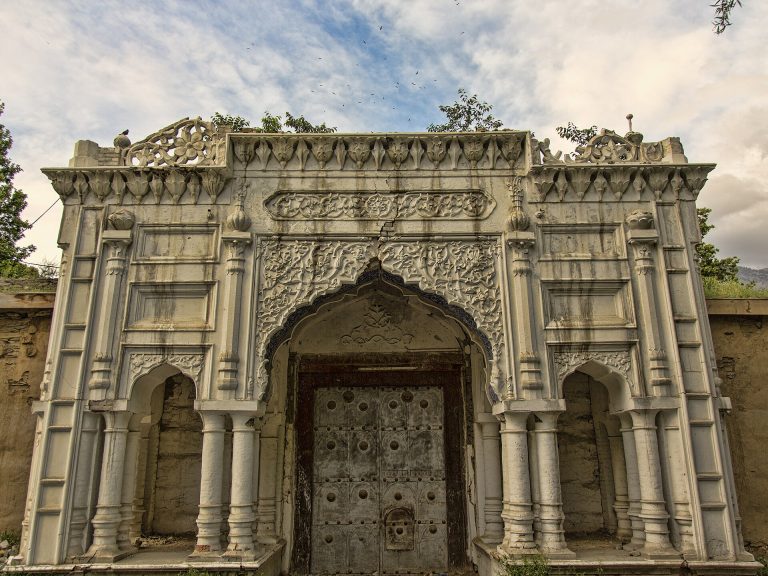 ChitralThe Hindu Kush valley west of the pass, with its royal fort, Shahi Mosque, hot springs and views of Tirich Mir.
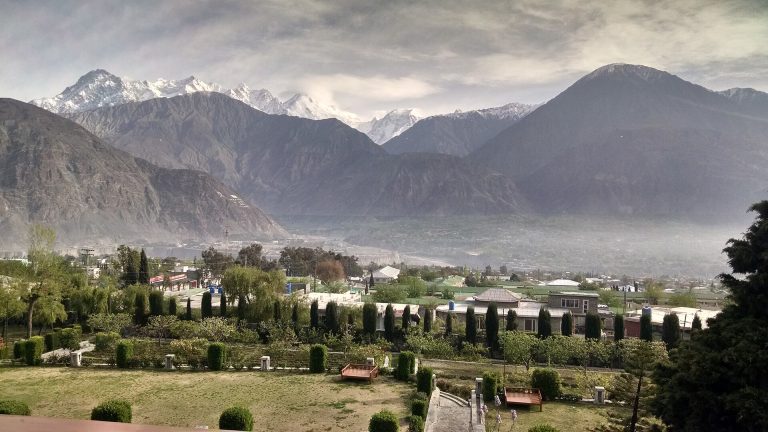 GilgitThe capital of Gilgit-Baltistan, at the end of the Ghizer road and the start of the Karakoram Highway towards Hunza.
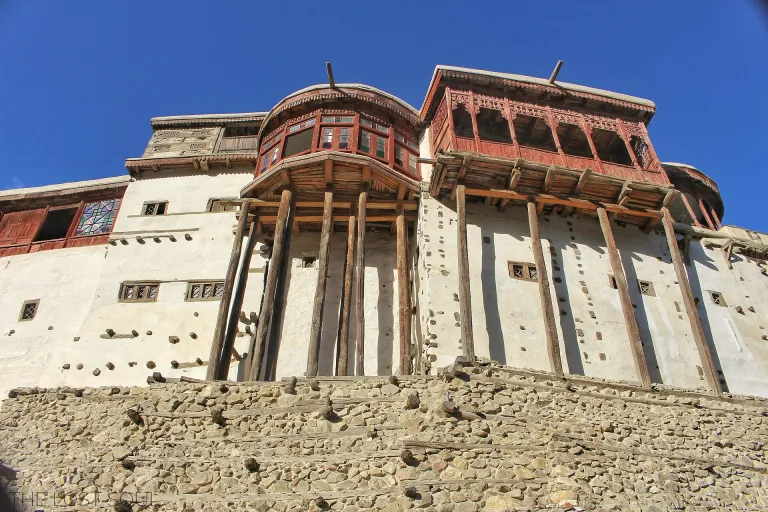 Hunza ValleyForts, orchards and Karakoram giants a short drive north of Gilgit along the Karakoram Highway.
Frequently Asked Questions
When is the Shandur Polo Festival held?
It is held in summer, usually in June or July. In 2025 it ran from 20 to 22 June and in 2026 from 11 to 13 June. Dates are set each year by the organisers, so check announcements before planning a trip.
How high is the Shandur polo ground?
Dawn describes it as lying about 12,500 feet (roughly 3,800 m) above sea level, and it is billed as the highest polo ground in the world.
Who plays in the Shandur Polo Festival?
The main contest is between teams from Chitral and Gilgit-Baltistan, playing freestyle mountain polo. Gilgit-Baltistan won the 2026 final 6–5; Chitral won in 2025.
When did polo start at Shandur?
The first tournament was organised in 1936 by a British political officer posted in Chitral. After a long gap, the festival was revived in 1982.
Can I visit Shandur outside the festival?
Yes. In summer the road over the pass is used by travellers between Chitral and Gilgit, and the lake and plateau are beautiful and quiet. Facilities are minimal, so most people stay in nearby valleys or camp.
Is Shandur in Chitral or Gilgit-Baltistan?
The pass lies on the boundary between Upper Chitral in Khyber Pakhtunkhwa and Ghizer in Gilgit-Baltistan, and ownership of the area is disputed between the two; a boundary commission is considering the claims.
Keep Exploring
Related places and stories on DailyLife.pk
 ChitralPlan a Chitral trip: Chitral Fort, Shahi Mosque, Tirich Mir views, Chitral Gol, Garam Chashma
 Hunza ValleyPlan a Hunza Valley trip: Baltit and Altit forts, Attabad Lake, Passu Cones, Hussaini bridge
 Kalash ValleysVisit the Kalash valleys respectfully: Bumburet, Rumbur and Birir, Chilam Joshi, Uchal and Chawmos festivals
 GilgitGilgit city guide: Kargah Buddha, bazaars, polo, 1947 history, Naltar and Rakaposhi day trips
 Festivals of PakistanA guide to Pakistan's festivals: the two Eids, Muharram, urs of Sufi saints, Shandur Polo
 Road Trips in PakistanPlan a Pakistan road trip: Karakoram Highway, Makran Coastal Highway, GT Road, Babusar Pass and motorways
How we know this
- Type Travel guide
- Sources 7 (2 official/academic)
- Reviewed October 2026
- Disputed points None
Rules and fees change, confirm with the official links below before you act.
7 sources
- Shandur polo festival kicks off today, Dawn
- GB lifts Shandur polo trophy after 15 years, Dawn
- KP, GB govts to jointly organise Shandur Polo Festival, Dawn
- Chitral scores thrilling win over GB as Shandur Polo Festival ends, Dawn
- Shandur Pass, Tourism Department, Government of Gilgit-Baltistan
- District Ghizer, Tourism Department, Government of Gilgit-Baltistan
- GB ends Chitral's 13-year rule to win Shandur Polo festival 2026, Associated Press of Pakistan
Photo credits (10)
- Shandur Top & Shandur Lake.jpg, Mudassir Ahmed, CC BY-SA 4.0, via Wikimedia Commons
- Shandur Polo festival 2016.jpg, Ijlalahmed, CC BY-SA 4.0, via Wikimedia Commons
- Shandur Polo ground 2016.jpg, Ijlalahmed, CC BY-SA 4.0, via Wikimedia Commons
- Sunrise at Shandur lake.jpg, A.A. Rabbani, CC BY-SA 4.0, via Wikimedia Commons
- Shandur Festival 2016.jpg, Ijlalahmed, CC BY-SA 4.0, via Wikimedia Commons
- Landscape on way to Shandur Pass from Phandar Valley.jpg, Nadeem rashid, CC BY-SA 4.0, via Wikimedia Commons
- Confluence of Laspur River (right) and Yarkhun River (left) at Mastuj Town.jpg, Zain.3nov, CC BY-SA 4.0, via Wikimedia Commons
- SHAHI QILLA CHITRAL.jpg, Tahsin Shah, CC BY-SA 4.0, via Wikimedia Commons
- Gilgit City a View from Gilgit serena hotel.jpg, Fehd.raza @fehd.raza, CC BY-SA 4.0, via Wikimedia Commons
- Baltit Fort, Karimabad, Hunza, Gilgit Baltistan.jpg, Fassifarooq, CC BY-SA 4.0, via Wikimedia Commons
