
Things to do
Read Timber and Stone on a Short Shigar Architecture Walk
Shigar’s restored fort and settlement provide a way to notice how timber, stone and earth create a building’s form. The official Gilgit-Baltistan.
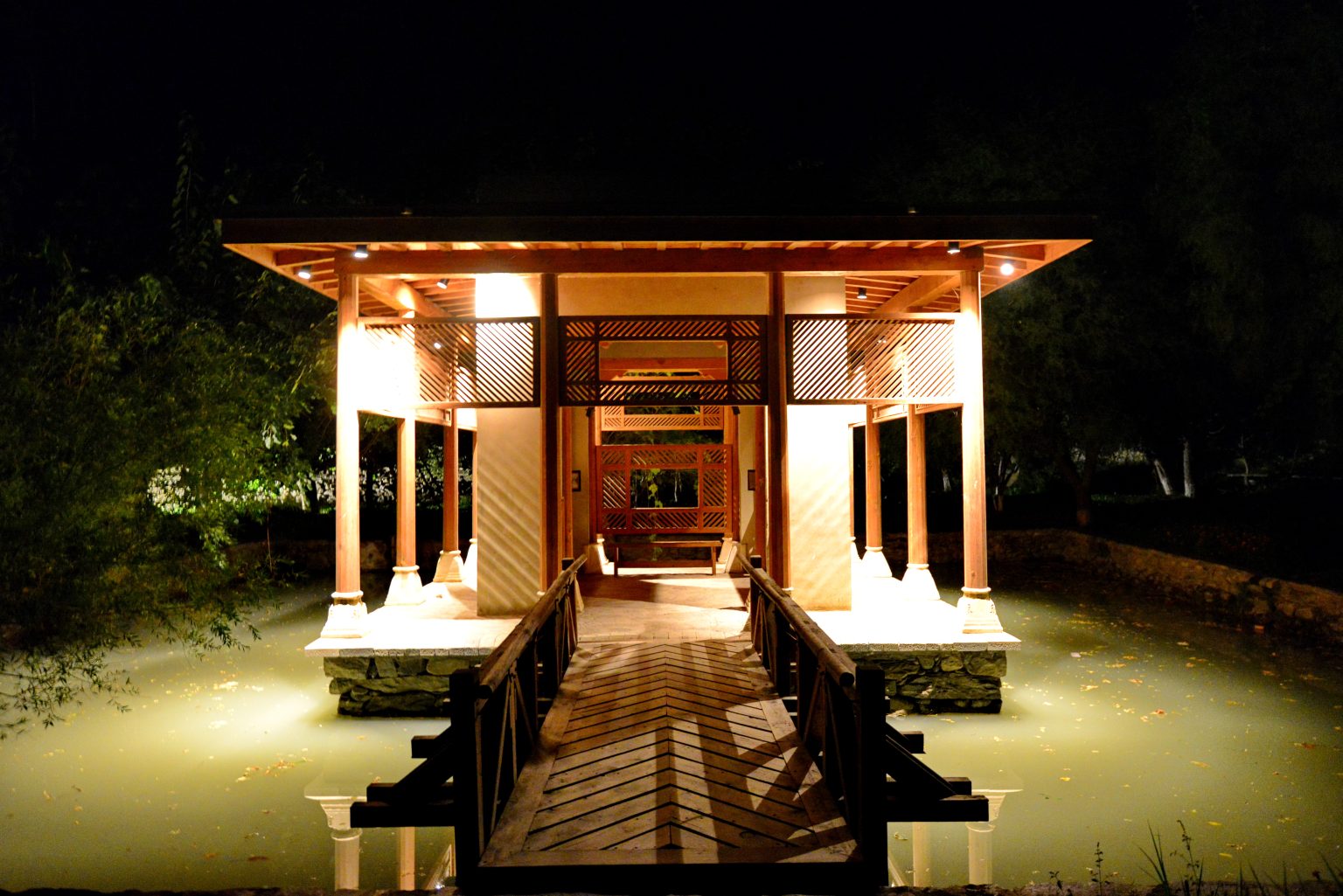
Shigar Fort in Baltistan; day-visitor areas are separate from any private accommodation areas.
Who this experience suits
Shigar’s restored fort and settlement provide a way to notice how timber, stone and earth create a building’s form. The official Gilgit-Baltistan tourism page and AKDN’s conservation account support a heritage-focused visit. Keep the activity small and consent-based: an authorised fort visit plus public lanes is different from wandering into domestic compounds.
Choose the actual stops
Shigar Fort visitor areas confirmed by management; nearby public settlement lanes agreed with a guide; an authorised rest stop.
The main activity
Look at the junction between materials and ask how a wall, opening or balcony works. Compare an interpretation panel with what is visible. Avoid declaring a building authentic or inauthentic simply because a repair looks newer; conservation may require replacement material to protect an older structure.
Choose one detail to follow through the outing, such as the way a window is framed or a wall meets its roof. Ask how that detail responds to material, climate and use, while recognising that a guide may not have a documented answer for every building. Similar appearance does not establish the same age or construction history. A careful note can say that two forms resemble each other without claiming a direct connection.
Explore the places and guides mentioned
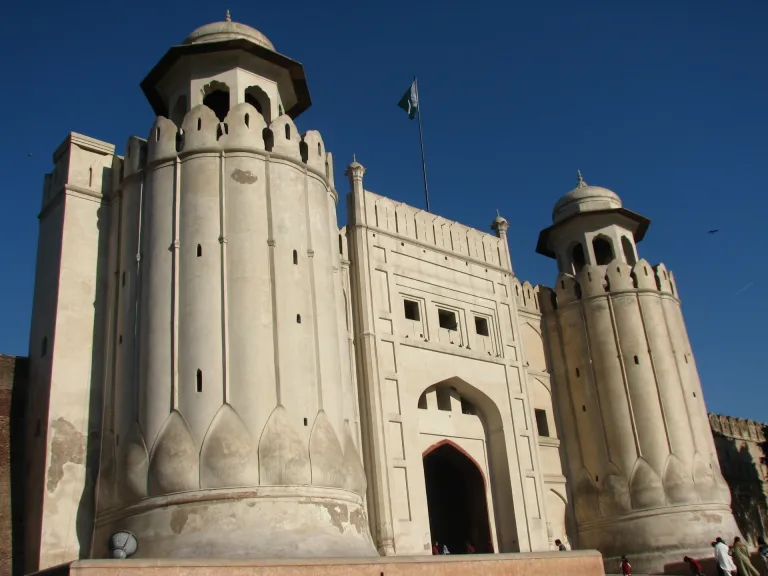
Photographs show the linked places or guide subjects. Open each page for its own visiting and planning information.

A realistic suggested sequence
Confirm day-visitor arrangements at the fort, including any museum section separate from accommodation. Begin there for context, take a short guided public-lane walk and finish before fatigue or changing weather. Do not assume hotel facilities or guest areas are included with heritage access.
Make the experience more rewarding
Adaptive reuse also creates boundaries. A heritage property that contains guest accommodation is simultaneously a place to learn and a place where people expect privacy. Confirm which spaces are included before starting, and do not follow another visitor through a door simply because it is open. In the settlement, avoid treating building repairs, stored materials or household equipment as untidy obstacles to an ideal photograph. They are evidence of continuing use. A short walk that respects these boundaries offers more understanding than a longer route built on uninvited access.
Ask the guide to select a small public route that complements the fort visit. The route should have a clear beginning and end, with no dependence on a resident opening a private door. If a public religious building is included, establish current permission, appropriate clothing and whether visitors should remain outside during worship.
Use a material-junction exercise at a permitted stop. Observe where timber meets stone or another wall material, then ask what function the junction serves. Keep the description modest when the structure’s history is uncertain. A visible repair may show ongoing care, not a failure of preservation. Sketching can help with attention if it is permitted and does not block a lane.
For a family, choose one detail that everyone can notice from the same safe place. This avoids splitting the group between stairs, roofs or narrow passages. Stop while the activity still feels curious rather than demanding. The day need not include a long walk through the whole settlement, and a shortened version can still make the relationship between a restored property and everyday surroundings clear.
Getting there and returning
Agree the local transfer and return with a driver who understands the specific fort entrance. Mountain roads and settlement lanes are different travel environments; leave the vehicle in a permitted place and walk only the agreed public route. Do not rely on an internet estimate as a guaranteed journey time from Skardu.
Season and weather decisions
Warmer months often simplify walking, while cold, snow and mountain-road disruption can alter access. Summer sun is strong and shade may be limited; carry layers for rapid temperature changes.
Families, comfort and preparation
Historic steps, narrow doors and uneven lanes require a frank access discussion. Ask whether a seated or ground-level interpretation option exists for anyone unable to use stairs.
Wear stable shoes and carry water, a hat and a light weather layer. A notebook is useful for sketching one construction detail where allowed.
Costs to check before committing
Request the current day-access price and clarify the difference between heritage admission, a guided visit, refreshments and hotel accommodation. A room booking is not necessary unless you actually want to stay, and a visitor ticket does not imply access to guest rooms. Add local transport and a fair guide payment if using one for the settlement walk. Confirm cancellation terms when road or weather disruption could affect arrival.
Leave the place and people respected
Give residents priority, ask before portraits and avoid examining buildings as if homes were abandoned exhibits. Do not enter schools, mosques or private courtyards without appropriate permission.
Check the wider approach separately
The journey into Baltistan needs an assessment separate from this short Shigar walk. Check flight disruption, weather, road conditions and the advisory applicable to your circumstances. The UK FCDO advice accessed on 31 October 2026 identifies the Karakoram Highway Mansehra–Chilas route via Besham among warned-against approaches; no overland transfer is endorsed by this activity.
Continue planning your trip
Frequently Asked Questions
Does a heritage visit include hotel guest rooms?
No. Confirm the day-visitor areas and respect accommodation privacy.
Can the guide take us into any courtyard?
Only where the property holder has given appropriate permission.
Is a newer-looking repair a defect?
Not necessarily. Ask how and why conservation work was carried out rather than judging by appearance alone.
How we know this
- Type Practical guide
- Sources 4 (1 official/academic)
- Reviewed October 2026
- Disputed points None
Rules and fees change, confirm with the official links below before you act.
4 sources
- Tourism Department GB — Shigar Fort, Gilgit-Baltistan Tourism Department
- Pakistan — Cultural Development — Conservation and development in Gilgit-Baltistan, Aga Khan Development Network
- Cultural Treks — Central Karakoram National Park, Central Karakoram National Park
- Regional risks — Pakistan travel advice, UK Foreign, Commonwealth & Development Office
Photo credits (3)
- Shigar Fort LHR 1219.jpg, Sanaullah Khan, CC BY-SA 3.0, via Wikimedia Commons
- A view of Gilgit City from Jutial Nala.jpg, Kskhh, CC BY-SA 4.0, via Wikimedia Commons
- Alamgiri Gate - Main entrance to Lahore Fort.jpg, S.hassanjawad, CC BY-SA 3.0, via Wikimedia Commons
