
Travel · Attractions
Find the memorial within Lahore’s crowded historical setting
Look at a Sikh royal memorial through its dome, varied materials and funeral history, while checking access separately from neighbouring monuments.
- Read the details
- Confirm the approach
- Respect the setting
Samadhi of Ranjit Singh, Lahore
Find the memorial within Lahore’s crowded historical setting
Ranjit Singh’s Samadhi stands in Lahore’s historic core close to the fort, Badshahi Mosque and Gurdwara Dera Sahib. That neighbourhood can tempt a visitor to treat every building as part of a single attraction. Begin instead with the memorial’s own identity: it commemorates a Sikh ruler and occupies the place associated with his cremation. It should be approached as a funerary monument with continuing religious sensitivities.
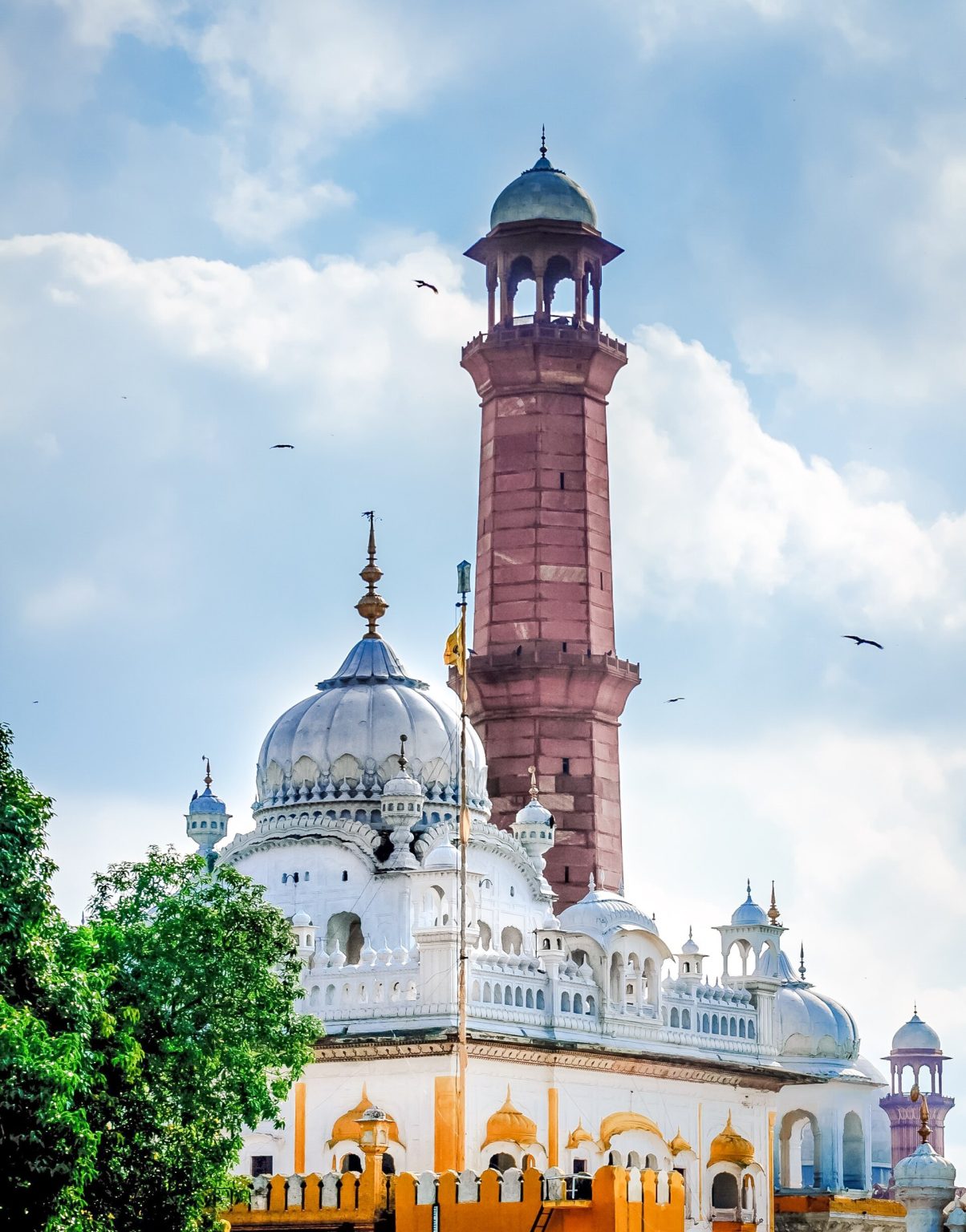
A view from an authorised public position may already reveal the relationship between a central dome and the smaller rooftop elements. Interior access is a separate question. Confirm it with the responsible administration before planning photographs or a timed circuit. A ticket or permission for another monument nearby is not evidence that the samadhi or adjoining gurdwara is open to you.
Place the ruler and the monument in sequence
Nadhra S. N. Khan’s University of the Punjab study identifies the samadhi as a funerary monument built by Ranjit Singh’s successors after his death in 1839. This sequence matters: a royal memorial is a later act of remembrance, not the ruler’s residence or the chamber in which he governed. The federal archaeology inventory also connects the site with his cremation.
A helpful historical question is how successors chose to commemorate authority after the person’s death. You do not need to resolve every construction phase to ask it. Separate Ranjit Singh’s lifetime, the funeral and the development of the memorial in your notes. If a guide assigns a specific component to a particular successor, ask what inscription, contemporary record or specialist publication supports the claim rather than extending a general date to every decorative surface.
Use a neutral language for a shared architectural vocabulary
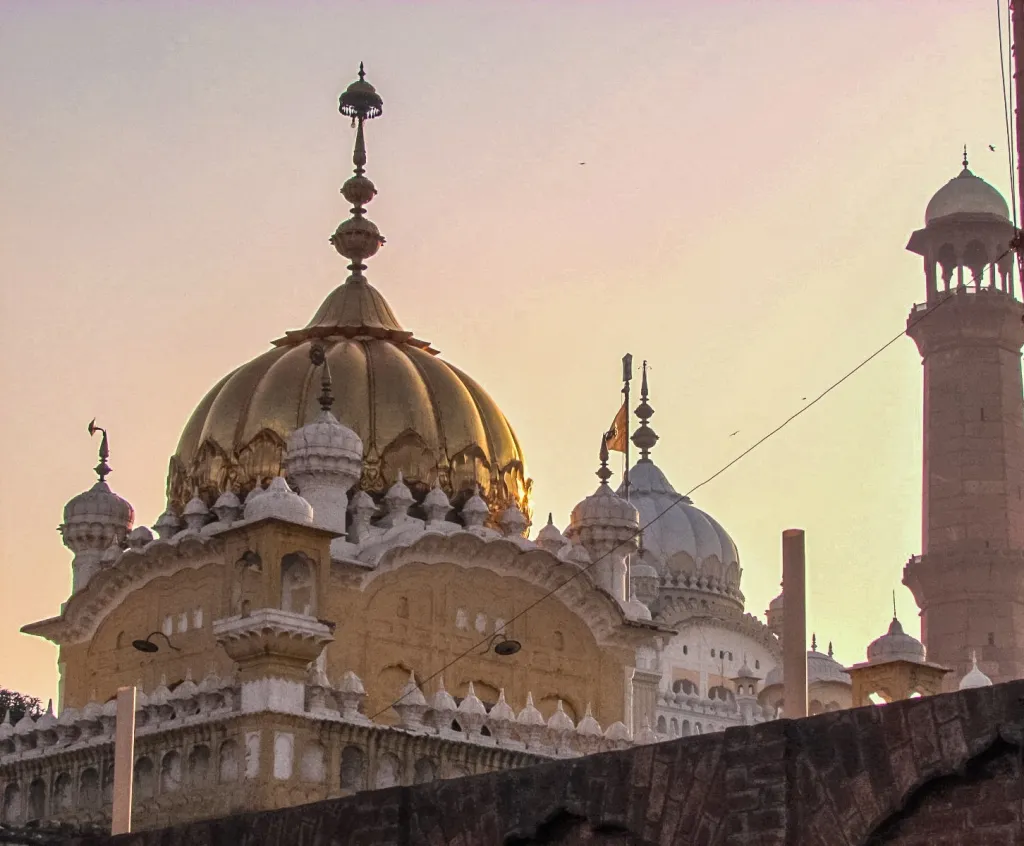
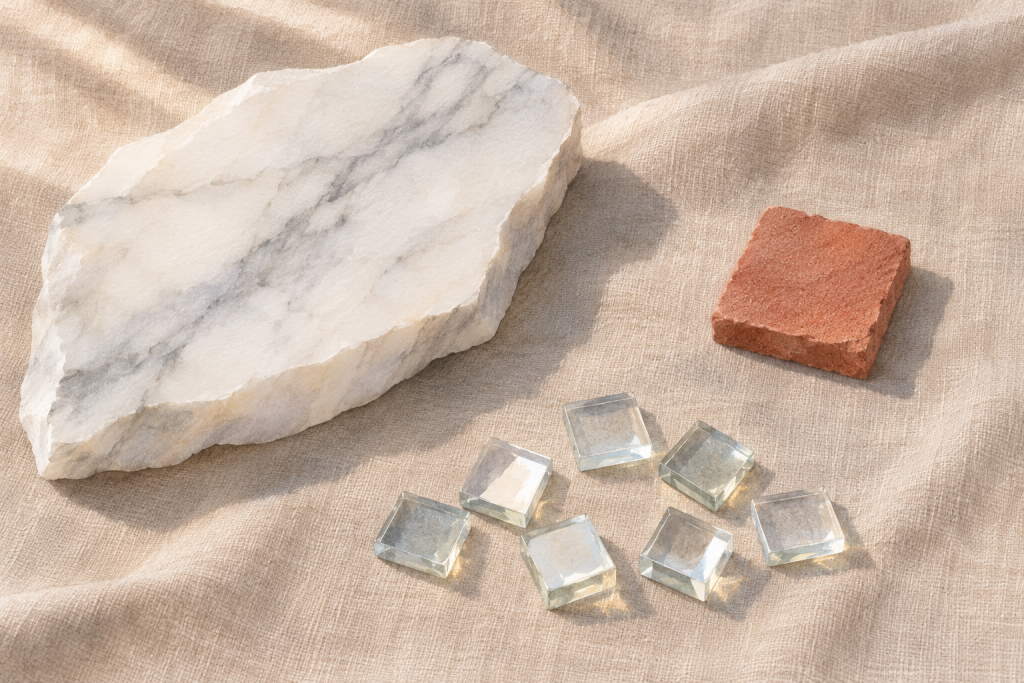
The federal record describes brick construction with red sandstone and marble, a central fluted dome and small roof pavilions. These are useful observable elements. Its older description also includes a dismissive judgement about a mixture of architectural traditions. A visitor need not repeat that judgement as a fact. Describe the materials and forms, then explain that the building draws on a varied regional vocabulary.
Look at how the dome’s ribs catch light and how smaller elements alter the roofline. Compare a curved profile with the straight lines beneath it, if the permitted view allows. Avoid reducing every feature to a contest over whether it is Sikh, Hindu or Muslim. Patronage, religious use, workshop practice and the movement of motifs are related but different questions, each requiring its own evidence.
Look for differences between marble, glass and painted surfaces
According to the federal inventory, the monument includes glass mosaic at the ceilings and fresco decoration associated with stories of Sikh Gurus. It also records a marble entrance frame with inlaid decoration. These are prompts for a permitted interior visit, not a promise that each detail is currently visible, illuminated or available for close inspection.
If you can enter, let your eyes adjust before looking upwards. Ask before photographing and keep away from the decorated surfaces. Do not use flash, tripods or additional lights without explicit permission. Notice how reflection, painted colour and stone create different visual effects, while leaving uncertain iconography unnamed. A motif that resembles something familiar may carry another meaning in this setting. Use a specialist interpretation or a knowledgeable attendant’s explanation rather than inventing a story from resemblance.
Treat a reused element as a sourced claim
The federal account states that the decorated marble doorframe originally belonged to the Shish Mahal. That is an attribution worth naming carefully: it comes from the official inventory, rather than from something a visitor can prove merely by examining pale stone. Reuse can connect a later monument to earlier buildings, but the history of an individual piece needs documentary support.
If you discuss this claim, distinguish reuse from a modern accusation about an entire community’s treatment of another community’s heritage. A particular object’s movement is a specific historical question. Look at the frame’s material and ornament where access permits, without touching the inlay or testing whether a piece is loose. A photograph of a doorway should identify the monument actually shown, even when its accompanying historical explanation refers to an earlier location.
Discuss funeral history without sensationalism
Khan’s study examines contemporary chronicles, reports and paintings concerning Ranjit Singh’s funeral and the later handling of ashes. It reminds readers that nineteenth-century royal death rituals cannot be treated as a straightforward picture of present Sikh practice. A memorial’s historical background can include difficult subjects, including accounts of sati, without turning the visit into spectacle.
Keep such discussion brief, attributed and suitable for the people with you. Do not present a court chronicler’s praise of a practice as a neutral modern judgement, or repeat graphic details for entertainment. Nor should a visitor assume the visible memorial contains every material remainder described in an old account. The study distinguishes events, representations and symbolic commemoration. That careful distinction is more useful than a dramatic story delivered as though all sources agree.
Respect the adjoining gurdwara’s separate customs
The samadhi’s proximity to Gurdwara Dera Sahib means a route may bring you into or near an active Sikh religious setting. Ask which entrance and which customs apply to each space. SGPC guidance explains the importance of removing shoes, covering the head and cleanliness before the Guru Granth Sahib. Carry a suitable clean cloth and follow the local staff’s directions rather than copying what another visitor happens to do.
Do not carry tobacco or intoxicants into a gurdwara, and arrive sober. Keep your phone silent and avoid photographing worshippers without consent. If you are visiting only the memorial, say so clearly when asking about access. Domestic heritage admission and international Sikh pilgrimage documentation are different administrative questions; neither a general welcome to worship nor a travel visa establishes automatic access to every managed area.
Build a practical visit around current permission
Contact the responsible administration or ETPB before planning a group visit, specialist photography or an interior study. Ask about identification, advance coordination, the permitted route and current restrictions. The archaeology inventory establishes the monument’s identity and protected status; it does not verify daily hours, fees or a standing visitor entitlement. Those details are deliberately not invented here.
Allow time for security arrangements and the approach through a busy heritage area. Choose a clear return meeting point for companions, and carry only manageable belongings. Anyone needing step-free access should ask about the entire route, including thresholds and places to rest. If the building is unavailable, use a permitted exterior view or choose another stop. Do not seek an informal shortcut through worship areas or assume a tour proposal guarantees an operating service.
Keep the memorial distinct in photographs and memory
Lahore’s fort, mosque, gurdwara and samadhi are close enough for their histories to become blurred in casual captions. Name the building in each photograph and distinguish the royal memorial from the adjoining religious institution. Record whether an image shows an exterior you observed or an interior described only in a source. That small discipline prevents a later travel post from claiming access or details you did not actually see.
The most useful account brings together a nineteenth-century act of royal remembrance, varied materials and a respectful encounter with present custodianship. Leave surfaces and objects undisturbed, avoid staged mourning or devotional poses, and give other visitors space. A building associated with death and memory deserves the same restraint whether a traveller arrives for family history, Sikh heritage, architectural study or a first introduction to Lahore.
Frequently Asked Questions
Is the samadhi inside Lahore Fort?
It is a separate memorial in the neighbouring historic core. Fort admission should not be treated as permission to enter it.
What does the memorial commemorate?
It commemorates Ranjit Singh at the place associated with his cremation; his successors built the funerary monument after his death in 1839.
Can visitors always see the decorated interior?
No standing access promise is established here. Ask the responsible administration about current admission and photography.
Do gurdwara customs apply nearby?
If your route enters Gurdwara Dera Sahib, follow its instructions about head covering, shoes, cleanliness and prohibited items. Ask separately which rules apply in the memorial.
How we know this
- Type Practical guide
- Sources 5 (3 official/academic)
- Reviewed November 2026
- Disputed points None
Rules and fees change, confirm with the official links below before you act.
5 sources
- Samadh of Ranjit Singh, Department of Archaeology and Museums, Pakistan
- Posthumous Homage Paid to Maharaja Ranjit Singh — Nadhra S. N. Khan, University of the Punjab
- Sikh Trail Master Plan, The Urban Unit, Government of Punjab
- Sri Guru Granth Sahib, Shiromani Gurdwara Parbandhak Committee
- Guide to Visiting a Gurdwara, The Sikh Coalition
Photo credits (2)
- Samadhi of Ranjit Singh 123.jpg, Shahbaz Aslam429`, CC BY-SA 3.0, via Wikimedia Commons
- Gurdwara Dera Sahib and Samadhi of Ranjit Singh.jpg, Bilalhassan88, CC BY-SA 3.0, via Wikimedia Commons
