
Travel essentials
Pakistan Packing List for a City and Mountain Trip
Pack for Pakistan without overloading: clothing layers, shoes, documents, day bags and laundry planning for mixed city and mountain itineraries.
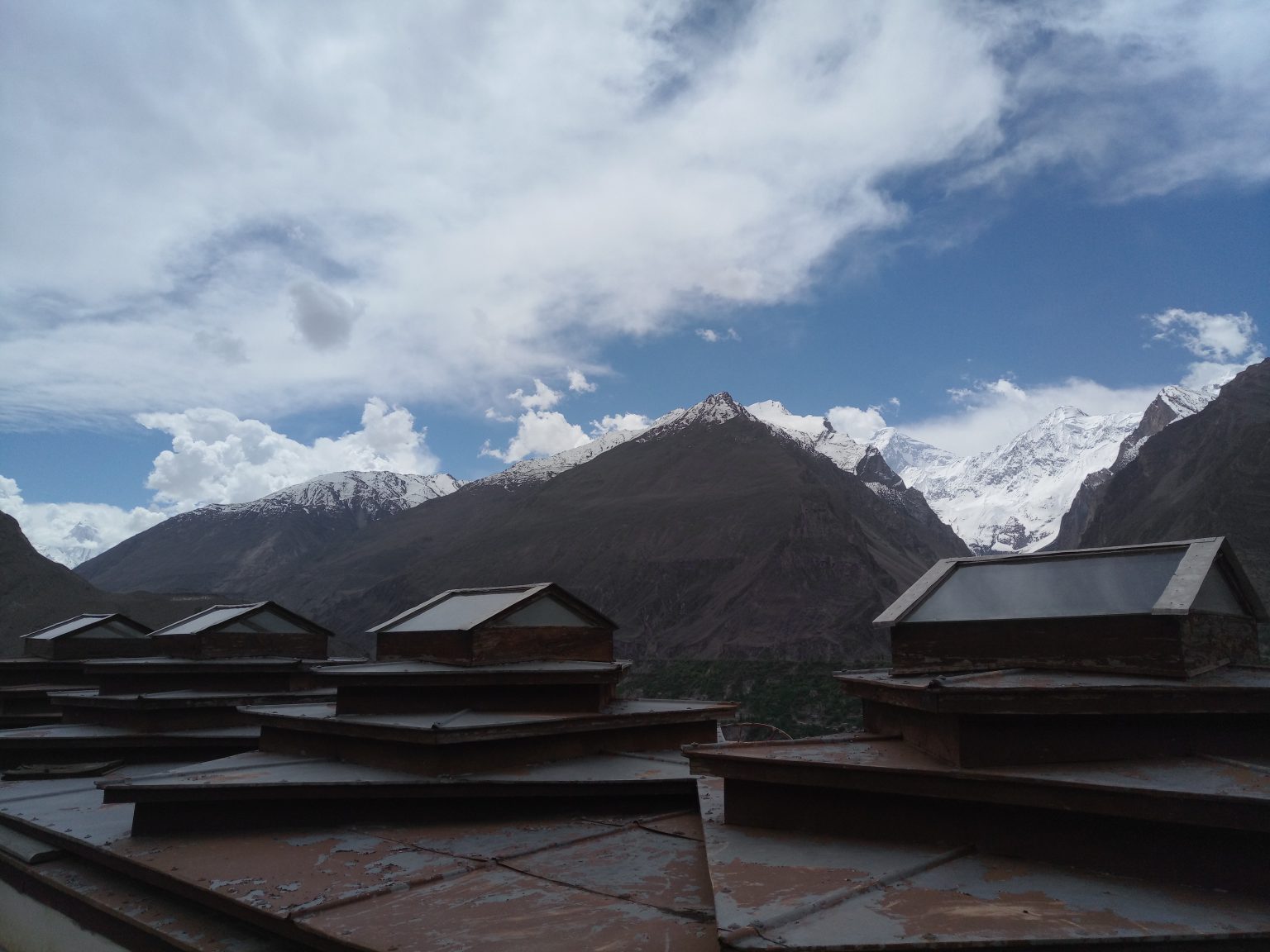
Karimabad in Hunza, photographed in April 2018; illustrative mountain travel image.
Pack around the actual route
A useful Pakistan packing list describes your trip rather than the country as a single climate. A city hotel, an air-conditioned coach, a sunny valley walk and an exposed mountain viewpoint can demand different layers on the same holiday. Begin with nights and activities: where you sleep, how you move between bases, and how long you spend outdoors. Check the Pakistan Meteorological Department's tourist forecast shortly before packing and again before each mountain transfer.
Put the plan on one page. Next to each base, write the accommodation type, expected outdoor time and laundry opportunity. That exercise often removes more unnecessary luggage than buying a smaller suitcase. A traveller visiting heritage sites does not automatically need expedition equipment; someone sleeping outdoors needs more than a city break list can provide.
Build a small clothing system
Choose clothes that combine into several outfits and can be worn comfortably in public. Loose trousers, breathable long-sleeved tops and an additional warm layer are practical foundations. Select garments you can sit in for a long transfer as well as walk in for a day. Keep a light layer accessible for cold interiors rather than putting every warm item in the checked bag.
For a mixed city and mountain itinerary, think in layers: a comfortable base, insulation appropriate to the forecast and protection against the weather your activity may encounter. A warm jacket alone does not solve wet clothing or unsuitable shoes. Pack a separate clean set for sleeping so a delayed laundry collection or wet travel day does not consume your final dry outfit.
Match footwear to the hardest planned day
Choose footwear for the surface and duration you will actually encounter. Shoes that work on paved museum paths may feel insecure on loose tracks. Test your main pair on a long walk before flying; a holiday is a poor time to discover an uncomfortable seam. Carry socks that work with those shoes and allow them time to dry between uses.
A second lightweight pair can be useful in accommodation and during laundry, but avoid packing several near-identical pairs. If a trek requires specialist boots or traction equipment, obtain route-specific advice instead of adding items because they appear on a generic northern Pakistan list. The hardest day should determine the main footwear; the rest of the bag should support that decision without becoming a collection of hypothetical activities.
Explore the places and guides mentioned
Photographs show the linked places or guide subjects. Open each page for its own visiting and planning information.


Keep the day bag independent
Your day bag should let you manage a delayed checked bag or an unexpectedly long transfer. Keep essential medicines, a change of basic clothing, travel documents, suitable charging equipment and personal hygiene items where you can reach them. CDC's Pakistan page includes a health packing checklist and advises travellers to discuss personal requirements with a clinician. Do not turn that checklist into a reason to self-prescribe.
Use small pouches with clear roles. Documents stay separate from liquids; clean clothing stays protected from wet shoes. Keep a reusable water container accessible while following safe-water advice appropriate to your setting. For air travel, review the airline's cabin size, weight and restricted-item rules. Your international allowance may be more generous than the allowance on a separately purchased domestic ticket.
Use laundry to reduce weight
Plan a laundry break at a base where you will stay long enough to collect everything before departure. Confirm the collection deadline and drying arrangements directly with the property. Sending every pair of socks away on the evening before an early flight creates an avoidable dependency. Keep at least one complete wearable outfit outside the laundry bag.
For handwashing, choose only garments you know can dry in your room's conditions and follow property rules. A cold room or humid period may defeat an optimistic overnight drying plan. Separate delicate fabrics and specialist outdoor layers from a general wash unless the service confirms suitable handling. Photograph the items and count them if you use a laundry service, especially when handing over several similar tops.
Weigh the finished kit
Pack once, then carry the bag up stairs and lift it into a car boot. This is a more revealing test than whether everything fits. Transfers become easier when one person can manage their own luggage and the group does not need a larger vehicle solely for extra cases. Check the total weight with the smallest airline allowance in the itinerary.
Finish with a removal round. Take out duplicate toiletries, clothing without a specific role and equipment for activities you have not booked. Preserve items that support real needs: prescribed treatment, appropriate weather protection and compatible chargers. Leave room for purchases without assuming a porter, driver or hotel will solve excess luggage later. A compact kit works best when every item has a purpose and the route includes a realistic opportunity to reset.
Try a transfer rehearsal
Pack the bags exactly as you intend to travel, including toiletries and chargers rather than substituting an empty pouch. Lift the main bag into a boot-height space, walk a short distance with it and check whether you can reach your document pouch without putting everything on the ground. If the day bag is already full, decide where a jacket will go when the afternoon warms up.
For a couple sharing luggage, distribute a few essential clothes between bags so one delayed case does not leave one person without a complete outfit. Keep personal medicines and documents with their owner. Make a photograph of the packed contents for your own reference, then remove anything that serves no planned activity. A test at home often shows that the problem is organisation rather than suitcase size. It also helps answer the vehicle question accurately: a provider can plan luggage space more effectively when you describe two large cases and two day bags instead of simply saying that two people are travelling. Rehearse once and keep the resulting list for the return journey.
Sources and planning updates
Research checked on 31 October 2026. Operator terms, local conditions and individual eligibility can change. The linked sources support the factual points; itinerary examples and comparison methods are editorial planning advice.
Continue planning your trip
Frequently Asked Questions
Do I need hiking boots for every northern trip?
No universal answer fits every route. Match footwear to the surface and duration of your planned walks; obtain specialist advice for technical or demanding treks.
Should I bring a suitcase or backpack?
Choose the bag you can manage through your actual transfers. A suitcase suits many hotel trips; a manageable soft bag may fit small vehicles more easily.
How we know this
- Type Practical guide
- Sources 3 (2 official/academic)
- Reviewed October 2026
- Disputed points None
Rules and fees change, confirm with the official links below before you act.
3 sources
- Weather Information for Tourists, Pakistan Meteorological Department
- Pakistan: Travelers Health, CDC
- Baggage Guide, Pakistan International Airlines
Photo credits (3)
- Hunza Valley from Rooftop, Gilgit Baltistan Pakistan.jpg, Sohaib Saeed, CC BY-SA 4.0, via Wikimedia Commons
- Attabad Lake In autumn.png, Mr.KhalidJawed, CC0, via Wikimedia Commons
- K2 from Concordia.JPG, Aapkamajid, CC BY-SA 3.0, via Wikimedia Commons
