
Things to do
Take a Lahore Haveli Walk Focused on Woodwork and Courtyards
A haveli walk can become an exercise in reading how a home worked: where light enters, how privacy is managed and what a carved doorway communicates..
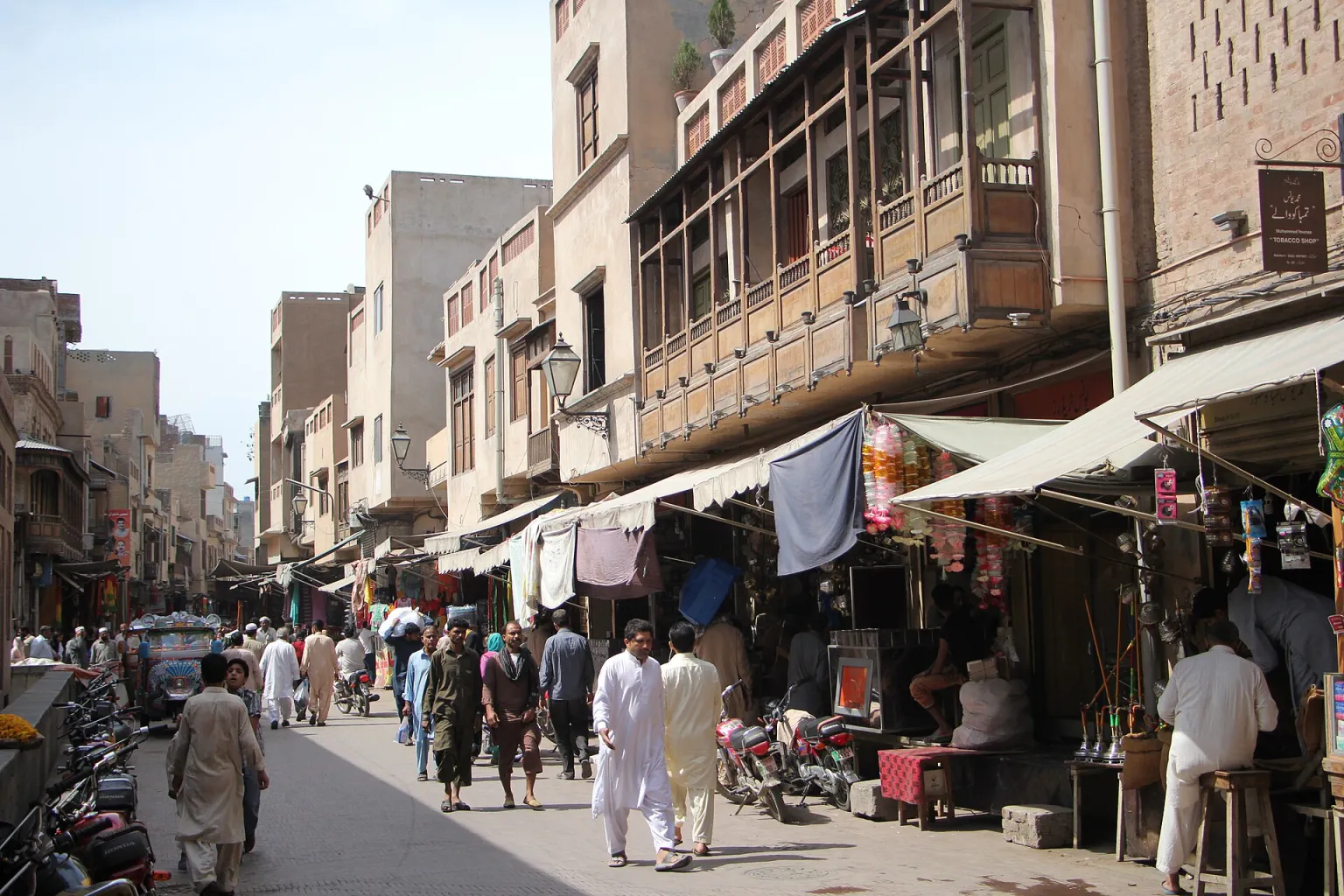
Delhi Gate in Lahore’s Walled City, neighbourhood context for an authorised haveli walk.
Who this experience suits
A haveli walk can become an exercise in reading how a home worked: where light enters, how privacy is managed and what a carved doorway communicates. Walled City Lahore Authority lists a Havelis of Lahore tour, providing a real starting point for arranging access. The suggested activity is architectural observation, not an invitation to enter private houses.
Choose the actual stops
WCLA Havelis of Lahore programme; the specific havelis confirmed for the booking; public lanes approved by the guide.
The main activity
Look for a courtyard’s relationship to surrounding rooms, then compare a doorway, balcony or window at each permitted stop. Ask the guide to separate documented history from a popular local story. Make notes about one construction detail rather than collecting vague claims that every building is Mughal.
The most revealing architectural question is often how a feature was used. A balcony may relate to ventilation, status, street life or several purposes at once. Ask the guide what is documented for the particular house rather than applying one explanation to every haveli. Look at how public and private spaces are separated, and notice whether an ornate entrance opens into a much plainer working area. Changes in use are part of a building’s history, not necessarily damage to an imagined perfect original.
Explore the places and guides mentioned
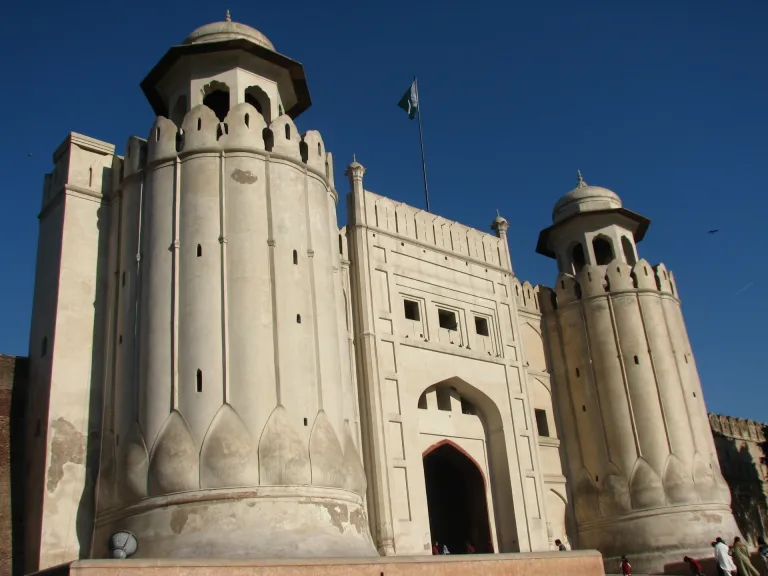
Photographs show the linked places or guide subjects. Open each page for its own visiting and planning information.

A realistic suggested sequence
Request the current itinerary, start point and walking demands directly from WCLA. Keep the first stop for orientation, the middle for close observation and the final stop for questions. Do not append unannounced visits to occupied homes or assume a listed tour runs daily.
Make the experience more rewarding
Keep a simple comparison between two stops: entrance, light, circulation and material. This helps an older child or a visitor without architectural training participate. Sketch only from a place where the group is allowed to stand. If an owner welcomes questions, keep them about the agreed visit rather than asking intrusive details about family life or property value. Leave enough time for the guide’s explanation before requesting photographs, so the outing remains a conversation rather than a series of staged poses.
Before booking, ask the organiser to describe the route in practical terms: the number of interiors, the amount of street walking, any steep stairs and where a participant can leave early. The word haveli can cover buildings with very different condition, ownership and use. A tour title is not enough to establish that every property seen in promotional photographs will be included. Request the current list and accept that conservation or an owner’s needs may require a change.
At the first courtyard, orient yourself before taking photographs. Notice the relationship between the entrance and the open space, then look at how rooms connect to it. Ask where a visitor would have been received and how more private areas were separated, but rely on the guide’s documented explanation for that particular house. A general architectural idea may not describe every building on the route. Keep a note when a story is presented as tradition rather than a securely documented event.
At a second stop, compare one detail directly. A doorway might use a different depth of carving, a balcony a different rhythm of openings, or a courtyard a different amount of light. Describe the visible difference before asking why it exists. The explanation may involve date, budget, later alteration or a purpose that is no longer obvious. A careful guide may not be able to answer every question, and that is preferable to an invented account. Avoid touching timber, plaster or paint to test an idea.
A respectful ending includes thinking about the people who keep these buildings in use. Repairs, services and changing household needs complicate the image of a frozen historic house. Do not demand that a resident rearrange belongings or leave a room for a photograph. The outing’s value lies in understanding a living urban fabric through authorised access, with the guide and property holders setting the boundaries.
Getting there and returning
Use the start and finish points supplied for the actual booked tour. A vehicle may not be able to enter narrow lanes, so ask how far the group must walk from the drop-off. Keep the driver’s contact available and avoid fixing collection at a gate that the guide has not confirmed.
Season and weather decisions
Cooler weather is more comfortable in lanes, but winter smog can make walking unpleasant. Summer requires a shorter route and frequent breaks; rain can make paving slippery and affect access.
Families, comfort and preparation
Narrow thresholds, stairs, uneven lanes and traffic limit step-free movement. Ask for an honest description of the actual booked route, including whether any visit can be enjoyed at ground level.
Wear stable shoes and modest, comfortable clothing. Keep water and essentials in a small bag that does not knock against fragile interiors.
Costs to check before committing
Request the current WCLA quotation with the route, guide, entry permissions, duration and group size stated clearly. Ask whether refreshments, transport and any individual monument ticket are included. An online catalogue price does not establish the cost or availability for your chosen date. Clarify the cancellation arrangement if a private or protected interior becomes unavailable, especially when booking for a group with particular access needs.
Leave the place and people respected
Residents are neighbours rather than exhibits. Ask before photographing interiors, avoid loud conversation in courtyards and never sit on historic railings or carved ledges.
Continue planning your trip
Frequently Asked Questions
Does a WCLA tour include every famous haveli?
No fixed list is promised here. Obtain the current itinerary and access permissions for your booking.
Can I enter an open doorway independently?
No. Follow the guide and the property holder’s permission, even if a door is open.
Is the route suitable for a wheelchair?
Ask about the actual lanes, thresholds and stairs. A ground-level or shortened option needs specific confirmation.
How we know this
- Type Practical guide
- Sources 3
- Reviewed October 2026
- Disputed points None
Rules and fees change, confirm with the official links below before you act.
3 sources
- Havelis of Lahore, Walled City Lahore Authority
- Tours Archives — Walled City Lahore Authority, Walled City Lahore Authority
- Walled City Lahore Heritage Tours, Conservation & Culture, Walled City Lahore Authority
Photo credits (3)
- Delhi Gate 11 (WCLA).jpg, The Walled City of Lahore Authority, CC BY-SA 4.0, via Wikimedia Commons
- Night View of Badshahi Mosque (King’s Mosque).jpg, Muhammad Ashar, CC BY-SA 3.0, via Wikimedia Commons
- Alamgiri Gate - Main entrance to Lahore Fort.jpg, S.hassanjawad, CC BY-SA 3.0, via Wikimedia Commons
