
Things to do
Plan a Craft and Conservation Looking Day in Khaplu
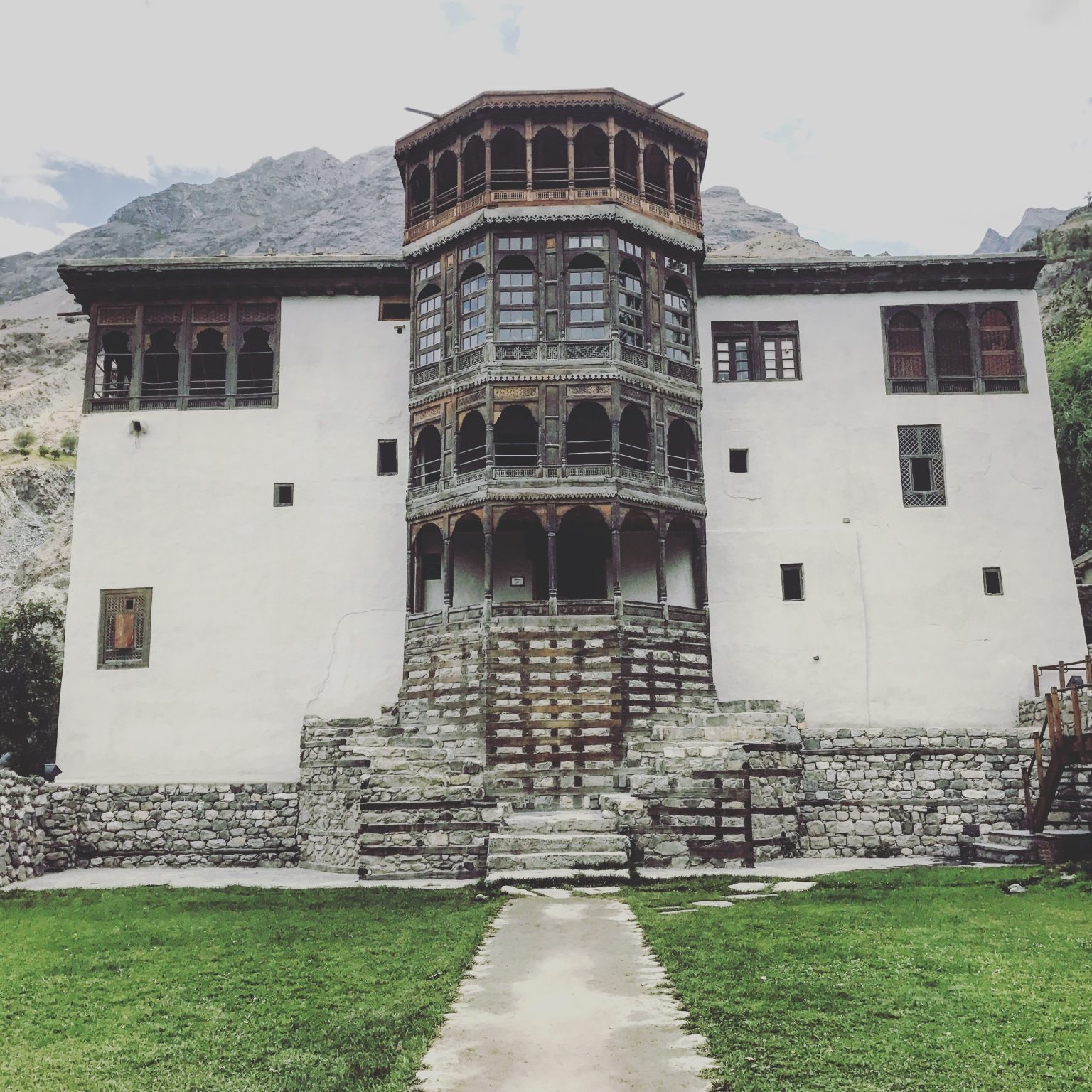
Khaplu Palace offers a setting for exploring how a historic residence can be adapted to contemporary use. Conservation sources document restoration and.
Khaplu Palace in Baltistan, a setting for an authorised conservation-focused visit.
Who this experience suits
Khaplu Palace offers a setting for exploring how a historic residence can be adapted to contemporary use. Conservation sources document restoration and the inclusion of local craft interpretation, but a past project description does not establish what is on display today. Build the outing around confirmed day access and patient observation rather than a guaranteed programme of demonstrations.
Choose the actual stops
Khaplu Palace visitor areas confirmed by management; available interpretation or craft display; a short public-space pause agreed with a local guide.
The main activity
Ask what was conserved, what was repaired and how new services were fitted into an old structure. If crafts are displayed, compare material and function using the labels rather than assuming a decorative object is still used in every local household.
Look at how interpretation changes the way a room is understood. Without explanation, a visitor may see decoration; with a reliable account, the same space may reveal practical choices about circulation, climate or social use. Ask which statements are documented and which are a guide’s interpretation. Do not assign every carved feature to a single craftsman or period unless the evidence supports it.
Explore the places and guides mentioned
Photographs show the linked places or guide subjects. Open each page for its own visiting and planning information.

A realistic suggested sequence
Obtain the current day-visitor arrangement first. Start with the palace’s permitted route, rest and add a modest public-space walk only if weather and energy allow. Keep accommodation areas private and do not turn a day visit into an assumption of access to every room.
Make the experience more rewarding
If a craft display is available, read it as a selection rather than a complete portrait of Balti life. Ask why those objects were chosen and whether contemporary makers are identified. A purchase should come with realistic information about origin and care, not a vague promise of ancient tradition. Families can compare one material in the building with one material in a displayed object, then discuss how different uses demand different treatment. This keeps the day active and thoughtful without inventing a workshop or requiring access to a maker’s private working space.
Choose one architectural question before arriving: how rooms connect, how a surface is decorated or how services have been introduced. Let management or a guide explain which parts of the visitor route address it. A building adapted for hospitality can contain a mixture of interpretation, guest space and working operations, each with different boundaries.
If an object display is available, compare it with the building carefully. Shared material does not establish the same maker or date. Ask whether a label identifies origin, use and age, and keep a note where information is missing. A craft can have continuing relevance while changing form for a modern market; avoid describing contemporary work as an unchanged relic.
The optional public-space pause should add context without becoming an unplanned tour of private homes. Ask the guide where a group can stand comfortably and how to avoid interrupting local movement. For visitors who cannot manage stairs, request a focused explanation from an accessible level if possible. A smaller, well-explained experience is preferable to insisting that everyone follow the full route because it appeared in promotional photographs.
Getting there and returning
Confirm the road journey and the palace visitor entrance before departure. A transfer from another Baltistan base can make this a longer day than the indoor visit suggests. Keep the public-space extension optional and retain daylight and weather margin for the return rather than trying to add an unplanned remote stop.
Season and weather decisions
Mountain weather and road conditions govern the journey. Warmer daylight hours may be comfortable, but bring a layer for cold interiors or wind; winter conditions can change both transport and walking access.
Families, comfort and preparation
Ask about stairs, thresholds, seats and toilets before arrival. A historic palace may offer only partial access for a wheelchair user, so identify what can actually be experienced from an accessible level.
Use grippy shoes and a compact bag, and carry water for transfers. If buying local craft, plan safe packing and ask for the maker’s details.
Costs to check before committing
Confirm what a day-visitor payment includes and which interpretation or craft areas are currently available. Accommodation, dining and guide services can have separate arrangements. Budget for local transfers and any considered craft purchase, including packing. Do not pay for a demonstration based only on a historical conservation report. Ask the current operator to confirm the specific activity, host and cancellation terms before sending a deposit.
Leave the place and people respected
Do not touch fragile finishes or stage photographs in private areas. Agree guide fees clearly and ask before photographing residents or artisans.
Check the wider approach separately
Plan Khaplu’s local transfer only after assessing the wider Baltistan journey, including insurance and current regional restrictions. UK FCDO guidance reviewed on 31 October 2026 warns against travel on the Karakoram Highway between Mansehra and Chilas via Besham. A conditional palace visit does not remove those approach-route concerns or guarantee flights and roads will operate.
Continue planning your trip
Frequently Asked Questions
Are historical craft displays still installed?
Confirm what is currently available; a restoration report is not a live exhibition listing.
Do I have to stay overnight to visit?
Ask the current operator about day access. Accommodation and heritage admission are separate arrangements.
Can a visitor avoid stairs?
Ask which experiences are possible at an accessible level. Full step-free access is not assumed.
How we know this
- Type Practical guide
- Sources 4
- Reviewed October 2026
- Disputed points None
Rules and fees change, confirm with the official links below before you act.
4 sources
- Conservation of Khaplu Palace Complex, Pakistan, WHITR-AP
- Pakistan — Cultural Development — Conservation and development in Gilgit-Baltistan, Aga Khan Development Network
- Cultural Treks — Central Karakoram National Park, Central Karakoram National Park
- Regional risks — Pakistan travel advice, UK Foreign, Commonwealth & Development Office
Photo credits (3)
- The palace of khaplu.jpg, Fatimasajjad, CC BY-SA 4.0, via Wikimedia Commons
- A view of Gilgit City from Jutial Nala.jpg, Kskhh, CC BY-SA 4.0, via Wikimedia Commons
- Alamgiri Gate - Main entrance to Lahore Fort.jpg, S.hassanjawad, CC BY-SA 3.0, via Wikimedia Commons
