
Things to do
Explore Karachi’s Money Museum with a Currency Detective Game
Coins and banknotes become more interesting when treated as evidence of daily life. At the State Bank Museum and Art Gallery, build a visit around what.
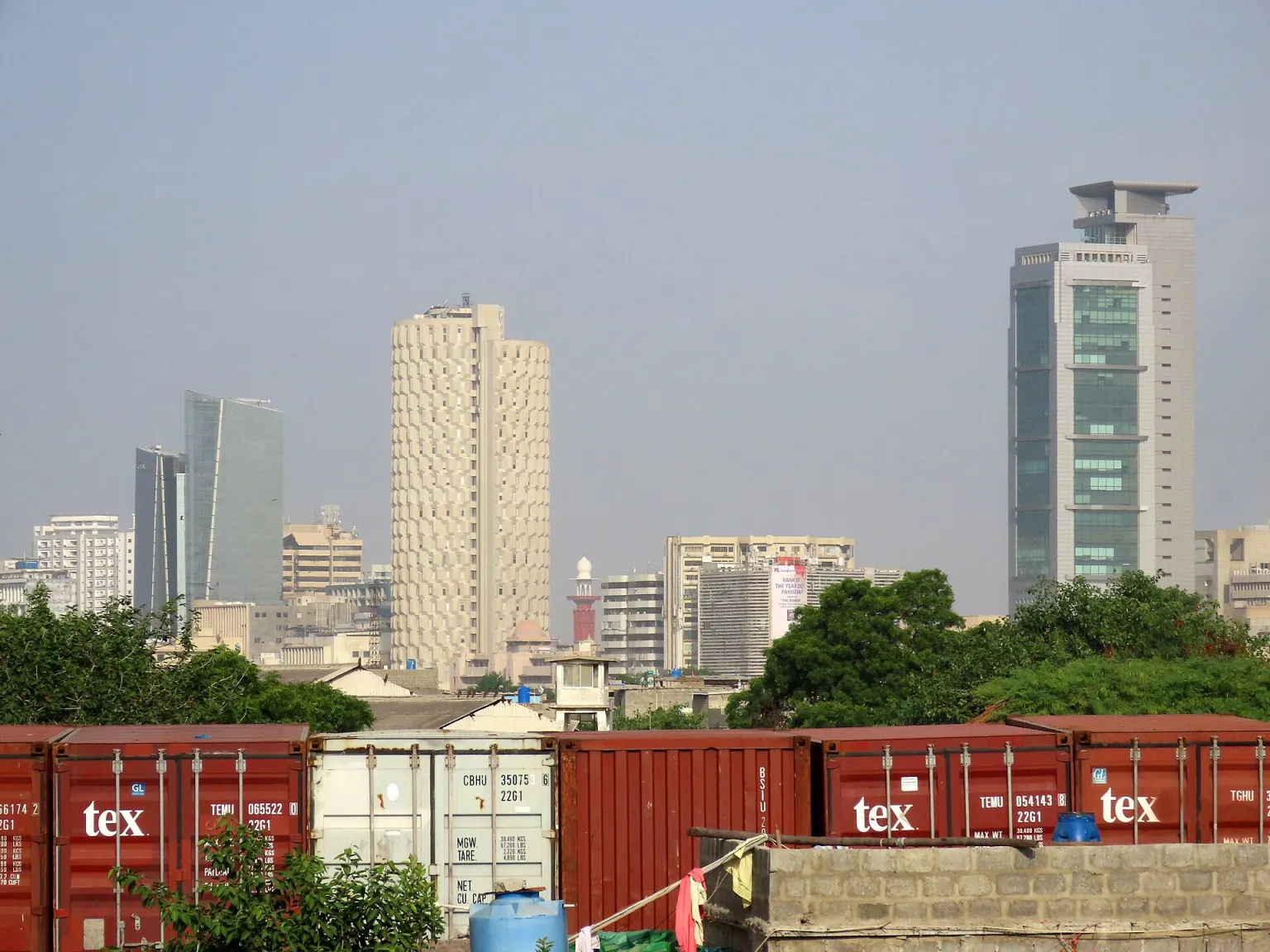
I.I. Chundrigar Road in Karachi, the city district associated with the State Bank Museum visit.
Who this experience suits
Coins and banknotes become more interesting when treated as evidence of daily life. At the State Bank Museum and Art Gallery, build a visit around what money tells you about authority, trust and changing technology. This suits curious teenagers, families with patient school-age children and adults who usually walk past coin cases because they seem repetitive.
Choose the actual stops
State Bank Museum and Art Gallery on I.I. Chundrigar Road; coin displays; currency and art areas that staff confirm are open.
The main activity
Look for changes in writing, symbols, material and the way an issuing authority identifies itself. Compare two objects with different dates and ask which differences are visible and which require explanation. Avoid assuming every unfamiliar coin belongs to Pakistan’s modern state; use the object label to establish its context.
Make a comparison table with four headings: object, authority, material and message. A coin may display an emblem or writing that communicates power, while a banknote may use imagery to describe a national story. Read dates carefully because different calendars and issuing contexts can complicate a quick assumption. The museum’s labels should lead the interpretation; a design that looks familiar is not enough to identify a ruler, dynasty or issue.
Explore the places and guides mentioned
Photographs show the linked places or guide subjects. Open each page for its own visiting and planning information.

A realistic suggested sequence
Arrange the museum visit before setting out for the banking district. Begin with the oldest material on the route staff suggest, continue to paper currency, and finish with the art collection if accessible that day. Keep a meal or other city stop outside this schedule so security screening does not create a rushed visit.
Make the experience more rewarding
A teenager can also ask why money needs public trust. What makes a token acceptable to people who do not know each other? Use the displayed evidence to begin that discussion, then separate it from advice about collecting or investing. This outing does not require buying coins or treating an old note as valuable. If a souvenir is offered, understand that its retail price and educational interest are different questions. A short written explanation of one design is a satisfying outcome.
Prepare a small set of questions that can be answered from objects rather than internet trivia. What information fits on a coin? What changes when money is made from paper? Which designs are intended to be recognised quickly? These questions help people who are not collectors engage with the display. They also keep the outing distinct from an investment discussion: age, rarity and market price are not necessary to appreciate historical evidence.
At a coin case, choose two clearly labelled examples and compare one feature at a time. Begin with the outline and material, then examine writing or imagery. Use the date and issuing context supplied by the museum before drawing conclusions. If magnification or lighting makes a detail difficult, accept that limit and move to a clearer example. Do not touch the glass or use a phone light without permission. The practical skill is making a careful comparison with the evidence available.
For paper currency, discuss how a note communicates a promise and how design helps people recognise it. An older child can compare the amount of space devoted to words, numbers and images. An adult can ask which features are decorative and which may serve another function, while relying on official explanation for technical details. Avoid publishing photographs of modern security features as a how-to exercise; the purpose is understanding design and trust, not reproducing currency. Follow the museum’s rules on photography throughout.
The art component can create a useful ending because it shifts attention from a small object used in exchange to work intended for sustained viewing. Ask whether the same habits of close looking still help. Keep any comparison modest and grounded in the displays actually open. On leaving, make a short list of two objects that changed your view of money and one question for further reading. That produces a coherent learning day without requiring every gallery or a collection purchase.
Getting there and returning
Plan arrival using the museum’s own visitor instructions for I.I. Chundrigar Road. A driver who knows the banking district can help with a legal drop-off, but must still follow security directions. Arrange the return before entering, especially if phone or bag use is restricted inside.
Season and weather decisions
Karachi’s cooler season is easier for transfers. An indoor visit in summer still requires a heat-conscious arrival and departure plan. Heavy rain can seriously disrupt traffic even when the museum itself remains available.
Families, comfort and preparation
Bank premises require particular attention to entry procedure. Confirm identification, visitor registration, group booking and bag restrictions, together with ramps, lifts and seating. Do not assume an ordinary walk-in arrangement covers a school group.
Carry identification requested by the museum, reading glasses for small labels and a pencil notebook if allowed. A high-magnification camera is unnecessary when photography rules may restrict use.
Costs to check before committing
Confirm admission, group-tour arrangements and any registration requirement directly with the State Bank Museum. Do not infer the current policy from an old review describing free entry. The larger expense may be transport and driver waiting time in the banking district. For a school group, request a written explanation of any booking charge and cancellation terms, rather than collecting money on the basis of a third-party ticket price.
Leave the place and people respected
Follow security instructions and photograph only permitted museum displays. Do not aim cameras at guards, entrances, nearby financial offices or other visitors.
Continue planning your trip
Frequently Asked Questions
Do I need to know about coin collecting?
No. The detective exercise uses visible features and museum labels rather than rarity or market value.
Can a school group simply arrive?
Confirm registration, identification, supervision and any guided-visit arrangement with the museum first.
Should I buy old coins afterward?
The activity does not require a purchase. Historical interest and investment value are different matters, and provenance would need independent checking.
How we know this
- Type Practical guide
- Sources 3 (2 official/academic)
- Reviewed October 2026
- Disputed points None
Rules and fees change, confirm with the official links below before you act.
3 sources
- Museum, State Bank of Pakistan
- SBP Museum & Art Gallery, State Bank of Pakistan
- State Bank Museum & Art Gallery, Karachi, Pakistan, Google Arts & Culture / State Bank Museum
Photo credits (3)
- Highrises on II Chundrigar.jpg, King Eliot, CC BY-SA 4.0, via Wikimedia Commons
- Karachi Skyline 1.jpg, Ktownboy103, CC0, via Wikimedia Commons
- Alamgiri Gate - Main entrance to Lahore Fort.jpg, S.hassanjawad, CC BY-SA 3.0, via Wikimedia Commons
