
Things to do
Build a Craft Comparison Day around Lok Virsa
Lok Virsa is a useful place to explore how a craft belongs to a community and a working life, rather than reducing it to a souvenir. Combine the.
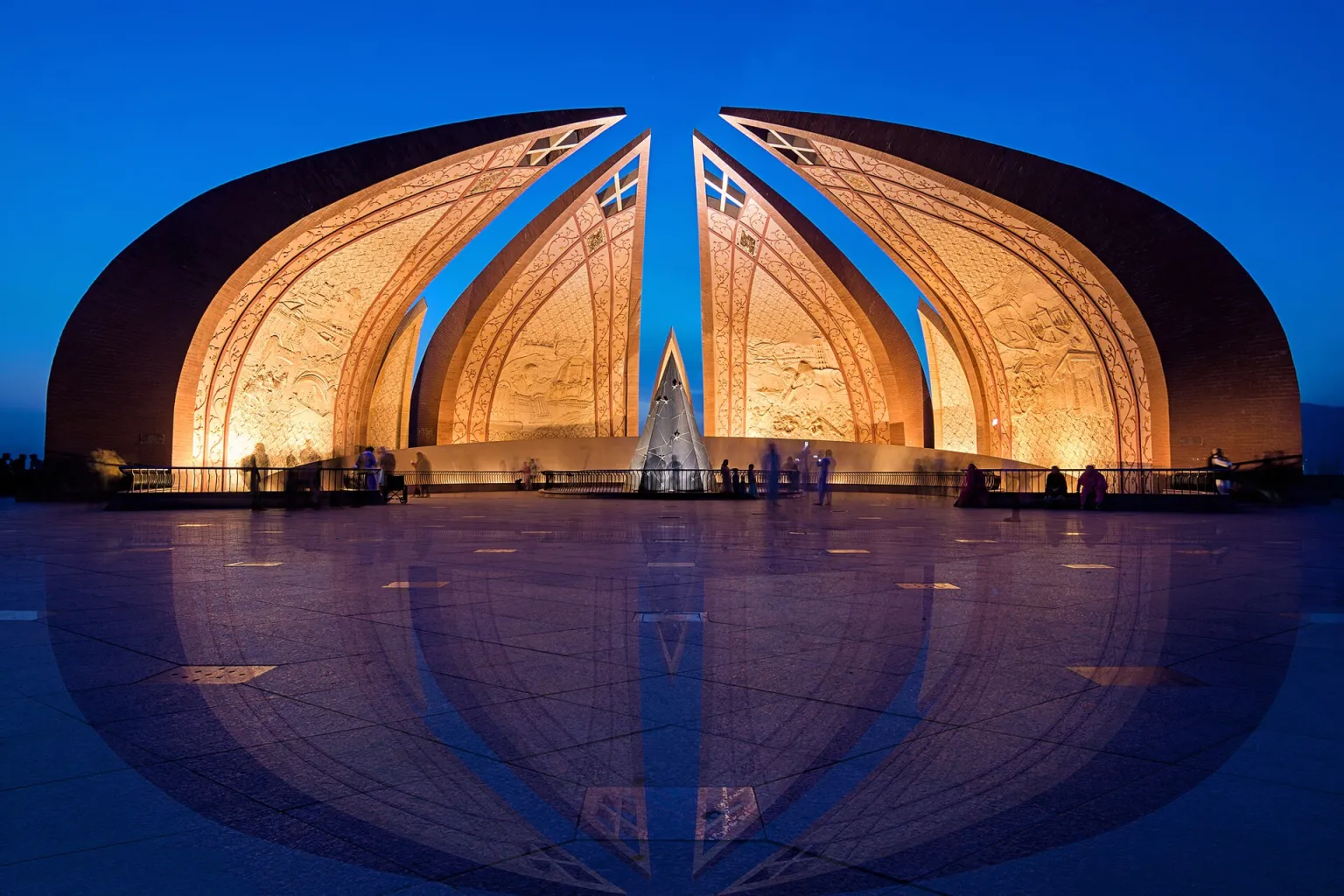
Shakarparian, Islamabad: regional context for the Lok Virsa craft outing, rather than a photograph of its craft bazaar.
Who this experience suits
Lok Virsa is a useful place to explore how a craft belongs to a community and a working life, rather than reducing it to a souvenir. Combine the Heritage Museum with whatever craft and artisan bazaar activity is actually available during your visit. This suits visitors who want a thoughtful introduction before buying textiles, woodwork or other handmade objects elsewhere in Pakistan.
Choose the actual stops
Lok Virsa Heritage Museum on Garden Avenue; Craft and Artisan Bazars if operating; museum publications or authorised retail options available that day.
The main activity
Choose one material and follow it through the displays: thread, clay or wood. Note the region and use stated on labels, then ask a seller how the item in front of you was made. Similar-looking patterns do not automatically establish the same place of origin or technique.
A useful purchase begins with provenance questions that a seller can realistically answer. Ask who made the piece, where it was made, whether it is hand-worked throughout and how it should be used. An honest answer that part of the production happened elsewhere is more informative than an elaborate claim of timeless authenticity. Keep the item’s maker, seller and community attribution separate in your notes because these are not always the same person or place.
Explore the places and guides mentioned
Photographs show the linked places or guide subjects. Open each page for its own visiting and planning information.

A realistic suggested sequence
Begin inside the museum to develop a vocabulary of forms and materials. Break before browsing stalls so buying is a considered decision. End by comparing one museum example with one contemporary object, without assuming the maker at a stall produced every item on sale.
Make the experience more rewarding
The museum can also help a family discuss why an object changes when it becomes a souvenir. A household implement may be resized, recoloured or made for display; that adaptation does not automatically make it worthless. Ask what has changed and why. Give children a small, agreed budget if shopping is part of the plan, then compare durability and usefulness as well as appearance. A conversation with a willing maker is valuable, but it should not be demanded as a free extra attached to browsing.
Choose the material before the shopping list. A thread-based visit might follow weaving, embroidery and the relationship between cloth and use. A wood-based visit might look at carving, assembly and surface treatment. The museum’s displays should establish the actual regional and community labels for your examples. This approach prevents the outing from becoming a vague celebration of everything handmade and makes a conversation with a seller more specific.
Inside the museum, record the name, material and stated function of one object. Notice whether its use depends on a household practice, occupation or ceremony described in the interpretation. An object can be beautiful while also solving an ordinary problem. Avoid assuming that every displayed practice continues unchanged or that a single exhibit represents an entire province. If a label does not provide a date or maker, leave the gap in your notes rather than replacing it with a confident guess.
In the bazaar, begin with the contemporary item in front of you. Ask how it is made now and whether its size, material or purpose has changed for today’s market. A seller may know retail details better than production history, and an honest limit to an answer is useful information. If an artisan is present and willing to speak, ask one considered question at a time. Do not interrupt a sale or expect a working person to repeat a demonstration until a camera gets the desired shot.
End by comparing the museum object and the possible purchase on function as well as appearance. What would the new object be used for in your home? How would it be maintained? If it is a gift, can you pass on the maker’s information accurately? Choosing not to buy is acceptable; buying thoughtfully is preferable to collecting an object simply to prove the day was worthwhile. The learning exercise remains complete even when the available bazaar selection is small.
Getting there and returning
Use Lok Virsa’s Garden Avenue address rather than a broad Shakarparian pin. The hill area contains several separate attractions and walking between them can be more exposed than expected. For heavy purchases, arrange collection near the authorised exit instead of carrying fragile objects around a wider sightseeing circuit.
Season and weather decisions
An indoor-first plan works through much of the year. Outdoor bazaars are easier in cooler weather; festival crowds and summer heat can change the pace substantially. Confirm special-event dates rather than assuming a festival operates continuously.
Families, comfort and preparation
Ask about step-free circulation, toilets and seats in both museum and bazaar areas. Crowded festival routes may be much harder than an ordinary weekday visit. Children can choose colours to find rather than being expected to read every panel.
A small shopping bag, notebook and a payment backup are useful. Ask before bringing large bags into galleries.
Costs to check before committing
Separate museum admission, any festival or programme charge and the amount reserved for craft purchases. Ask whether a demonstration is included or requires an agreed payment. A seller’s time and a maker’s time are not interchangeable. Keep enough budget for protective packing and transport home. Compare objects on technique, size and provenance rather than assuming every stall is selling an equivalent item at an equivalent price.
Leave the place and people respected
Pay fairly for work, ask consent before photographing a maker and do not demand a free demonstration. Avoid claims that an item is antique without documentation.
Continue planning your trip
Frequently Asked Questions
Are artisans always demonstrating?
Do not assume that. Ask Lok Virsa what bazaar activity or programme is operating on your date.
Can I identify a craft’s origin by its pattern?
A pattern alone is insufficient. Use museum labels and ask the maker or seller for specific provenance.
What is a good souvenir question?
Ask who made it, what material and technique were used, how it should be cared for and whether the seller can record those details.
How we know this
- Type Practical guide
- Sources 3 (1 official/academic)
- Reviewed October 2026
- Disputed points None
Rules and fees change, confirm with the official links below before you act.
3 sources
- Lok Virsa, Lok Virsa
- Museums — Lok Virsa, Lok Virsa
- Lok Virsa Museum, Islamabad, Department of Archaeology & Museums
Photo credits (3)
- Blue Hour at Pakistan Monument.jpg, Muhammad Ashar, CC BY-SA 4.0, via Wikimedia Commons
- Faisal Mosque, Islamabad III.jpg, Fassifarooq, CC BY-SA 4.0, via Wikimedia Commons
- Alamgiri Gate - Main entrance to Lahore Fort.jpg, S.hassanjawad, CC BY-SA 3.0, via Wikimedia Commons
