
Things to do
Arrange an IWMB-Led Nature Session in the Margalla Hills
A guided nature session can help visitors understand why a protected forest is more than an exercise venue. Islamabad Wildlife Management Board.
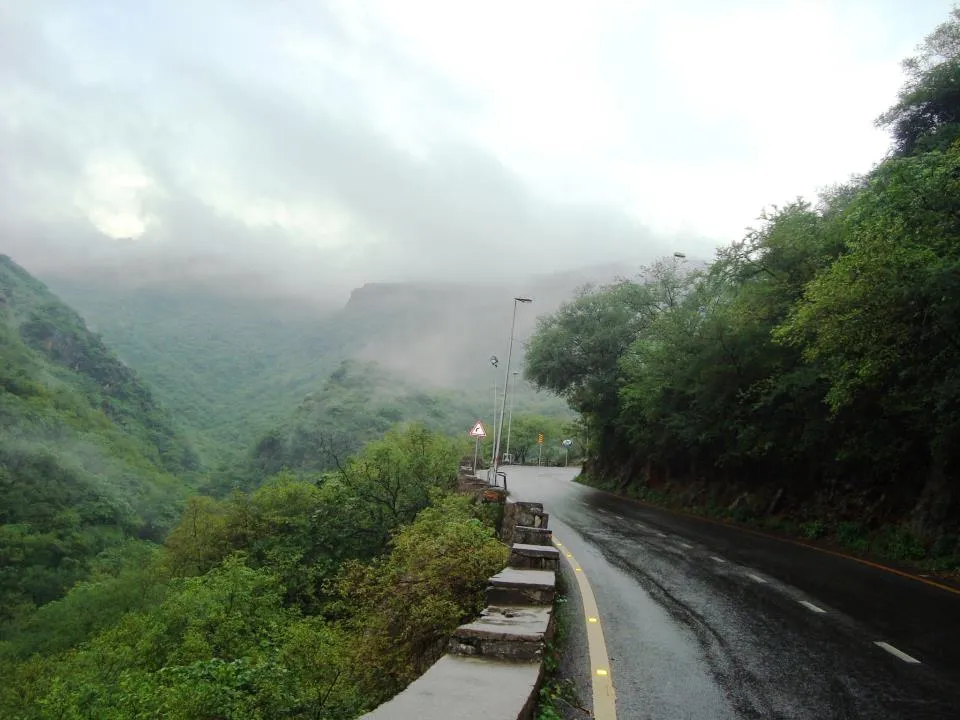
Margalla Hills, Islamabad: regional habitat context; the photograph does not confirm a specific guided route is open.
Who this experience suits
A guided nature session can help visitors understand why a protected forest is more than an exercise venue. Islamabad Wildlife Management Board publishes a booking page for Trail 6 in the Leopard Preserve Zone. That is a genuine lead for an enquiry, not proof of an available departure or unrestricted independent entry. This plan remains conditional on current access and a confirmed arrangement.
Choose the actual stops
IWMB contact and booking channel; Trail 6 only if the board approves the visit; the route and meeting point supplied with confirmation.
The main activity
Ask the guide to focus on habitat signs and the relationship between people and wildlife. Look for changes in vegetation and evidence interpreted by the guide, without treating a leopard sighting as an expected or desirable close encounter. A good session can be valuable without seeing a large mammal.
The word preserve should shape expectations. Ask the guide what visitor behaviour reduces disturbance and which areas are excluded. A briefing about distance, sound and group movement is part of the experience rather than an inconvenience before the interesting part. If an animal is encountered, let the guide determine whether the group should stop, retreat or continue. Do not crowd forward because someone has seen movement in the vegetation.
Explore the places and guides mentioned
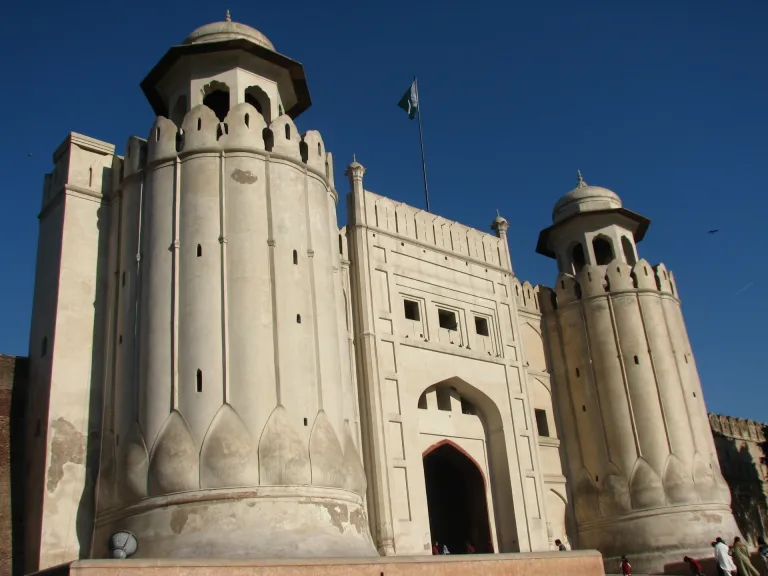
Photographs show the linked places or guide subjects. Open each page for its own visiting and planning information.

A realistic suggested sequence
Contact IWMB before making transport arrangements and obtain the meeting point, allowed route, group size and expected walking demands. Follow the agreed session and return arrangement. If trails are closed, substitute an indoor natural-history activity rather than attempting access through another entry.
Make the experience more rewarding
A useful question is what signs can be interpreted reliably. A broken twig, footprint or sound may have several explanations, and a good guide may openly say that identification is uncertain. Resist pressure within the group to turn every clue into evidence of a leopard. After the session, record what was directly seen, what the guide interpreted and what remains unknown. This approach produces a more accurate account and avoids advertising wildlife encounters that the organiser neither promises nor controls.
Use the booking conversation to choose a learning question. Habitat, conservation pressures or the interpretation of animal signs may be more useful than a general request to see wildlife. Tell the guide what the group already knows and what level of walking it can manage. A clear brief can help the host explain what is realistic without promising sightings.
At the start, repeat the agreed boundaries in front of the whole group. Everyone should understand where the route ends, how to respond to the guide’s instruction and what happens if someone needs to return early. A preserve session is not an opportunity to split off for independent photography. If permission changes, follow the current instruction even when the group has already travelled to the meeting point.
Keep a simple record of habitat features and explanations after the session. Avoid sharing a precise location for a sensitive animal sighting or implying that another visitor can reproduce the encounter by following your route. Credit the guide for interpretation and distinguish it from direct observation. This makes the account more useful and reduces pressure on a protected area that exists primarily for wildlife rather than visitor convenience.
Getting there and returning
Travel only to the meeting point IWMB supplies after confirming the visit. A public map pin for a trailhead does not replace permission for the guided session. Arrange a return vehicle and an alternative plan if the board cancels for weather, conservation or security reasons.
Season and weather decisions
Heat, fire risk, monsoon rain and security orders can all interrupt hill access. Confirm status again close to departure. A website map or a past booking form does not establish that a route is open today.
Families, comfort and preparation
Ask whether a short or lower-effort session is possible and describe mobility or sensory needs honestly. Forest paths should not be advertised as step-free without direct confirmation.
Carry water, grippy footwear, sun protection, a weather layer and a charged phone. Follow the guide’s equipment list and tell a contact your return arrangement.
Costs to check before committing
Ask IWMB for the current guided-session charge, group conditions, payment method and cancellation arrangement. Clarify whether transport is included; do not assume a booking form supplies a vehicle or an available guide. If an access closure cancels the outing, know how payment is handled. Avoid paying an unrelated intermediary who promises access to a preserve or a wildlife sighting that the board itself has not confirmed.
Leave the place and people respected
Never bait, chase or approach wildlife. Keep noise low, avoid flash and fires, and comply with protected-area restrictions even when another group ignores them.
Continue planning your trip
Frequently Asked Questions
Does the booking page prove Trail 6 is open today?
No. Obtain current access and session confirmation from IWMB.
Is a leopard sighting expected?
No. The session should focus on habitat and interpretation, with wildlife allowed to control distance.
Can we use another entrance if the trail is closed?
No. Follow the closure and choose another activity instead of bypassing restrictions.
How we know this
- Type Practical guide
- Sources 3 (3 official/academic)
- Reviewed October 2026
- Disputed points None
Rules and fees change, confirm with the official links below before you act.
3 sources
- Book Tour — IWMB, Islamabad Wildlife Management Board
- Trails — IWMB, Islamabad Wildlife Management Board
- Notification — IWMB, Islamabad Wildlife Management Board
Photo credits (3)
- Margalla Hills Islamabad.jpg, Ctrlpk, CC BY-SA 3.0, via Wikimedia Commons
- Faisal Mosque, Islamabad III.jpg, Fassifarooq, CC BY-SA 4.0, via Wikimedia Commons
- Alamgiri Gate - Main entrance to Lahore Fort.jpg, S.hassanjawad, CC BY-SA 3.0, via Wikimedia Commons
