
Things to do
Browse Textiles with a Practical Shopping Plan in Faisalabad
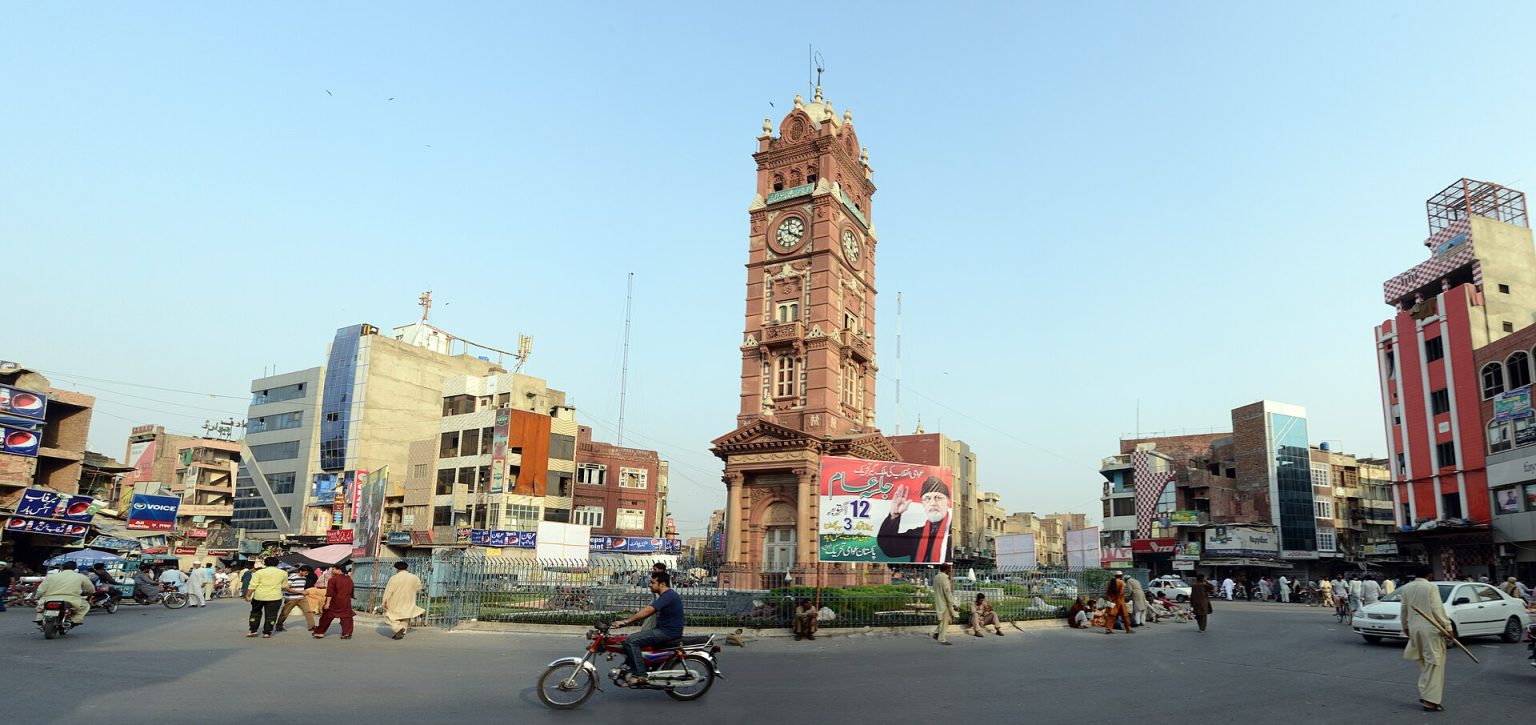
Faisalabad’s eight bazaars around the Clock Tower remain a trading landscape, according to the district government and regional planning material..
Faisalabad’s Clock Tower and surrounding bazaar, city-market context for a focused textile shopping visit.
Give the bazaar visit a purpose
Faisalabad’s eight bazaars around the Clock Tower remain a trading landscape, according to the district government and regional planning material. Rather than writing another landmark itinerary, use the area for a focused textile comparison: choose cloth or household textiles for a specific need and learn how to compare the offer. The Clock Tower is an orientation reference, not the objective of the activity.
This suits shoppers willing to ask questions, check measurements and keep purchases manageable. A first-time visitor should not attempt all eight bazaars simply because they appear symmetrically on a map. Choose a short route with a locally confirmed textile seller and a second comparison stop if useful.
Prepare dimensions and intended use
For fabric, note how much finished material you need and whether the quantity quoted includes any allowance for shrinkage or pattern matching. For bedding or household textiles, record the exact dimensions at home. A product that looks generously sized when folded may not fit its intended use. Bring the measurements in writing rather than relying on memory.
Decide which properties matter: fibre, weave, opacity, weight, colourfastness or ease of washing. Ask the seller what is known about each one and what is only a trade description. A familiar fabric name may be used loosely. Compare like with like and avoid treating a bright colour or heavy feel as a complete quality test.
A short comparison route
Confirm the current vehicle approach and a meeting point outside the most congested area. Plans for pedestrian improvements and parking do not prove every lane is traffic-free today. Begin at the first agreed shop, explain the requirement and compare a few suitable options. Then pause before visiting another seller or making the final purchase.
Ask before photographing fabric or prices, especially if an image will be shared publicly. Keep notes on width, length, material claim, finish and price unit. A second offer is useful only if those details are comparable. If the group becomes tired or the lane crowded, complete the purchase or leave; covering every bazaar does not add value to a specific textile task.
Explore the places and guides mentioned
Photographs show the linked places or guide subjects. Open each page for its own visiting and planning information.

Inspect and agree the sale
Check the visible length for marks, inconsistent colour or obvious weaving faults with the seller’s cooperation. Establish whether the price is per metre, yard, piece or set. Clarify whether cutting makes the sale final and what happens if a defect is found afterward. For a larger order, ask for the specification and quantity on the receipt.
If buying clothing or made-up textiles, examine seams, closures and size information as well as the surface. Do not assume an export surplus or branded claim is verified merely because it appears on a tag. Ask about origin and authorised branding where it matters. The useful outcome is a purchase suited to its purpose, not a dramatic bargaining story.
Comfort, access and the city journey
Arrange a clear return pickup that can be reached without carrying heavy bags through unnecessary traffic. Markets may have narrow aisles, kerbs, parked motorcycles and changing construction barriers. Ask whether a seller can provide a seated or ground-level viewing option for an older visitor or wheelchair user.
Cooler conditions generally make browsing more comfortable, but check air quality and recent weather. In summer, avoid prolonged roadside waiting and carry water for the journey. Keep children close and give them a manageable role, such as comparing two colours within a fixed requirement. A busy wholesale setting is not an appropriate place to let a small child explore independently.
Budget for useful quantities
Set separate limits for textiles and transport. A lower wholesale price can require more cloth or more sets than you need, while delivery or tailoring may change the total. Ask whether packing is included and keep a receipt with the seller’s contact information. Compare payment and return terms before deciding.
Bargain politely when appropriate, but accept a refusal without turning the exchange into entertainment. Do not block a shopfront while the group debates a small difference. Afterward, label purchases with dimensions and care information so that similar-looking bundles are not confused. A successful Faisalabad textile outing produces informed choices and a usable record, rather than the largest possible bag of low-priced cloth.
Continue planning your trip
Frequently Asked Questions
Should I walk all eight bazaars?
No. Choose a short, locally confirmed shopping route that fits the product you need.
Are the bazaars completely vehicle-free?
Do not assume completed pedestrianisation from project announcements. Check current conditions.
What should be on the receipt?
Record the seller, quantity, unit, material or model description, price and any agreed delivery or defect terms.
How we know this
- Type Practical guide
- Sources 3 (3 official/academic)
- Reviewed October 2026
- Disputed points None
Rules and fees change, confirm with the official links below before you act.
3 sources
- Important Places, Faisalabad District Government
- The People, Faisalabad District Government
- Faisalabad Regional Development Plan — Urban Planning Sector Report, The Urban Unit
Photo credits (3)
- Clocktower Faisalabad, Panorama.jpg, Minhajian, CC BY-SA 4.0, via Wikimedia Commons
- Clock Tower Faisalabad by Usman Nadeem.jpg, Usman Nadeem, CC BY-SA 4.0, via Wikimedia Commons
- Alamgiri Gate - Main entrance to Lahore Fort.jpg, S.hassanjawad, CC BY-SA 3.0, via Wikimedia Commons
