
Places to visit
Wazir Mansion: a practical visitor guide
Visit Wazir Mansion: what to see, historical context, getting there, a realistic plan, families and official access checks.
Wazir Mansion in Kharadar, Karachi
A historic house embedded in Kharadar
Wazir Mansion is the Jinnah-associated museum to choose when you want to understand a memorial within the dense commercial setting of old Karachi. The Sindh antiquities authority identifies it as Quaid-e-Azam's birthplace museum on New Naham Road in Kharadar. Allow roughly forty-five minutes to an hour for a focused visit, plus a realistic approach and pickup allowance. This is an editorial estimate, not an official tour length. The surrounding streets are part of an active neighbourhood rather than a museum precinct, so the practical journey deserves as much attention as the building's name.
What the primary records say
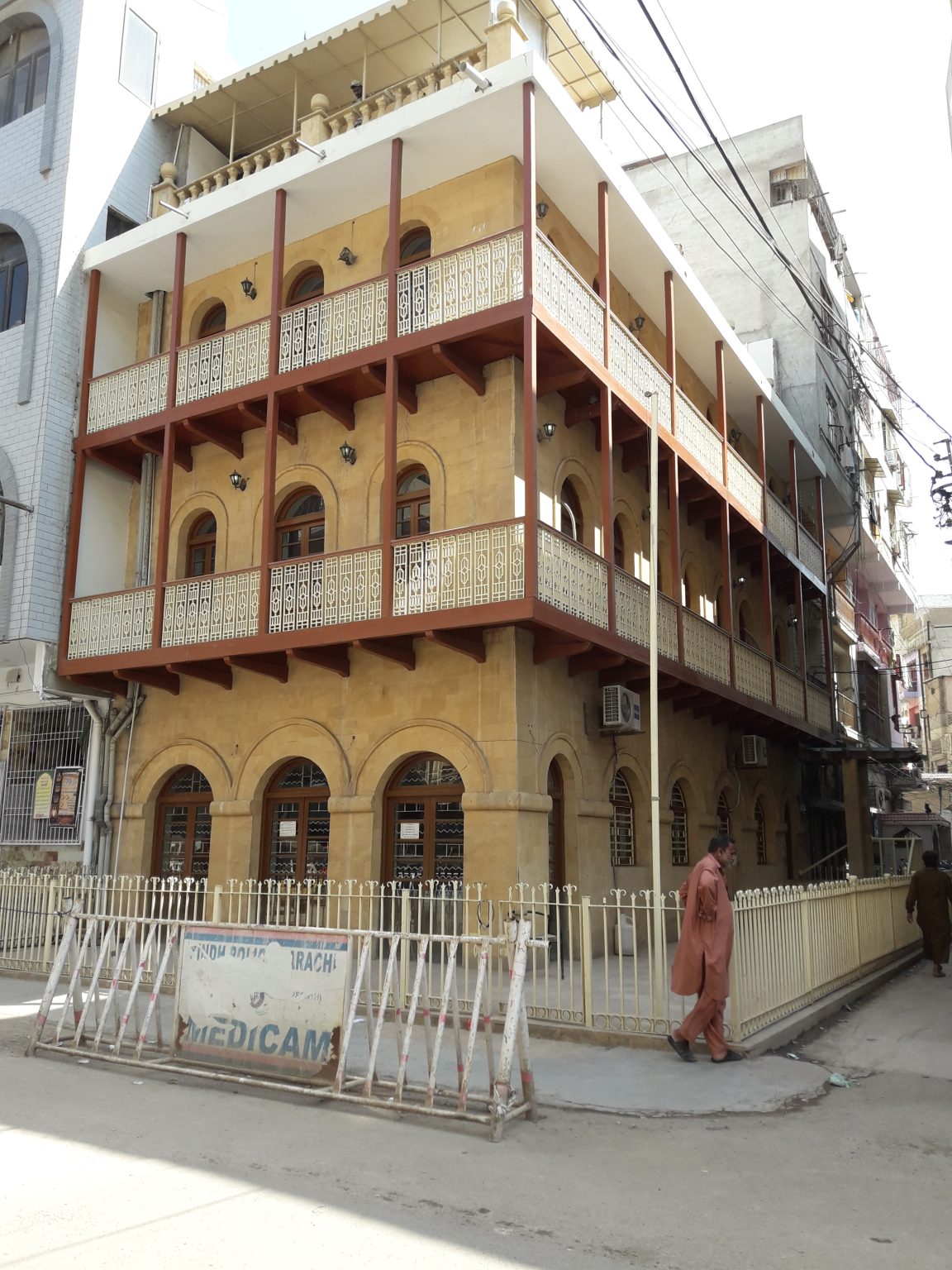
The Sindh authority presents Wazir Mansion as Muhammad Ali Jinnah's birthplace and describes its later protected and museum functions. The federal inventory dates the building broadly to the 1860s and records stone masonry, arched openings, timber doors and windows, and a projecting balcony. These descriptions provide a useful architectural and institutional basis without requiring an invented childhood anecdote. Follow the museum's labels when referring to personal belongings. A national memorial may include several layers of repair and presentation, so its appearance today should not be described as completely unchanged since the nineteenth century.
What to look at during a compact visit
The authority describes a public reading-room function on the ground floor, belongings and furniture on the first floor, and a library on the second. Confirm which of those areas are open to ordinary visitors now; a building's stated functions are not a guarantee of unrestricted access. Begin with the exterior's arched openings and balcony, viewed from a place where you do not obstruct the street. Inside, concentrate on material identified by labels rather than assuming every object is a personal relic. Ask what conservation has changed if information is available and you are interested in building preservation.
The federal inventory’s broad 1860–70 construction range is preferable to an invented precise day or year. Use the range when discussing the building and keep the separate date associated with the museum’s national memorial role distinct from its original construction.
Explore the places and guides mentioned
Photographs show the linked places or guide subjects. Open each page for its own visiting and planning information.

A balcony links architecture with the working street
The federal building inventory describes a continuous projecting balcony, timber windows and doors, and arched openings. Those features give a specific way to look at the facade instead of treating it only as a place-name marker. Notice how openings connect an interior with the street while the projecting balcony creates another layer between them. This is an architectural observation, not proof of how a particular family member used the space. The inventory also records later strengthening, a reminder that a conserved urban monument may contain materials introduced after its original construction.
The ground-floor reading-room and upper-floor library functions described by the Sindh authority suggest another question: how does a memorial continue to serve the public beyond a brief sightseeing visit? Ask which of those services actually operates now and what access rules apply, rather than assuming they are all tourist rooms. A working reading space deserves quiet even when museum visitors are admitted elsewhere. Children can compare the building's compact footprint with a museum set in large grounds and think about how stairs and floors divide activities. That gives the visit a clear architectural and civic interest without inventing childhood scenes, guaranteeing every floor or treating neighbouring commercial life as background scenery.
The final approach needs a local plan
Use the exact Wazir Mansion destination in Kharadar rather than asking for a general Jinnah museum. Dense old-city circulation can make the last portion of the journey slower or require a walk from a practical drop-off. Agree a recognisable return meeting point before leaving the vehicle and save the driver's contact if using one. Do not block loading areas or shop entrances while finding a photograph angle. Large luggage is an unnecessary complication in the neighbourhood and at a small house museum. If you are unfamiliar with the area, arrange the route with a reliable local contact.
A useful hour instead of a rushed tick
Ask at entry which floors and rooms are accessible and whether visitors must follow a particular route. Spend the first part understanding the building's layout and the museum's main historical association. Then choose a few labelled objects or furnishings for closer attention. Reserve a few minutes to look at the facade again before departing, because interior context can change how you read its scale and openings. Avoid combining this with a large shopping list unless everyone in the group wants that. A museum visit and a busy market errand draw on different kinds of attention and stamina.
Opening, permissions and mobility
The source page verifies the museum's identity and described functions but does not supply a dependable current timetable or tariff for this guide. Confirm the intended day, opening and last entry, ticket categories and photography conditions with the authority. Ask particularly about stairs: a multi-storey historic house may limit what a visitor can see without them. Do not assume a library or reading-room role means every floor is publicly available at all times. For school groups or a family with specific access needs, advance enquiry can determine whether the planned visit is workable before anyone travels.
Use the official attraction information as your starting point for the enquiries above.
A considerate old-Karachi combination
Merewether Tower can offer a separate street-level architectural comparison in the wider old-city area, but map the route and assess traffic rather than treating landmarks as points joined by an effortless walk. Read the Karachi city guide for a broader plan. With children, ask how a museum inside a narrow urban building differs from one in large grounds. Keep photography directed at the permitted building and exhibits; seek consent before including recognisable local people. Do not enter neighbouring balconies, rooftops or domestic doorways for a better view. The surrounding neighbourhood remains a place of work and residence throughout your visit.
For related planning, read Colonial heritage of Pakistan.
Continue planning your trip
Frequently Asked Questions
Is this the same as Quaid-e-Azam House?
No. Wazir Mansion is in Kharadar; Quaid-e-Azam House, or Flagstaff House, is a different Karachi museum at Shahrah-e-Faisal and Fatima Jinnah Road.
Can I visit all floors?
Do not assume so. The authority describes several functions across three storeys, but present public access to each area needs direct confirmation.
How long should I allow?
Around forty-five minutes to an hour for the museum is an editorial starting allowance. Add time for the old-city approach and return pickup.
Is it suitable without using stairs?
That depends on the rooms you wish to see and the current route. Ask specifically about step-free access and which displays are reachable without climbing.
How we know this
- Type Travel guide
- Sources 2 (2 official/academic)
- Reviewed October 2026
- Disputed points None
Rules and fees change, confirm with the official links below before you act.
2 sources
- Wazir Mansion — official information, Site operator / Government of Sindh
- Wazir Mansion building inventory, Department of Archaeology and Museums, Government of Pakistan
Photo credits (3)
- Wazir Mansion, Kharadar 01.jpg, Ghazala Shah, CC BY-SA 4.0, via Wikimedia Commons
- Karachi Skyline 1.jpg, Ktownboy103, CC0, via Wikimedia Commons
- Frere Hall Karachi. Pakistan.jpg, Asim Iftikhar Nagi, CC BY-SA 4.0, via Wikimedia Commons
