
Travel destination
Thar and Nagarparkar: DunesPeacocks and Pink Granite
Sindh's desert of thatched villages and roaming peafowl, ending in the pink granite Karoonjhar hills of Nagarparkar with their centuries-old Jain temples.
- Tharparkar District, Sindh
- Nagarparkar on UNESCO Tentative List (2016)
- November–February, or August–September after rains
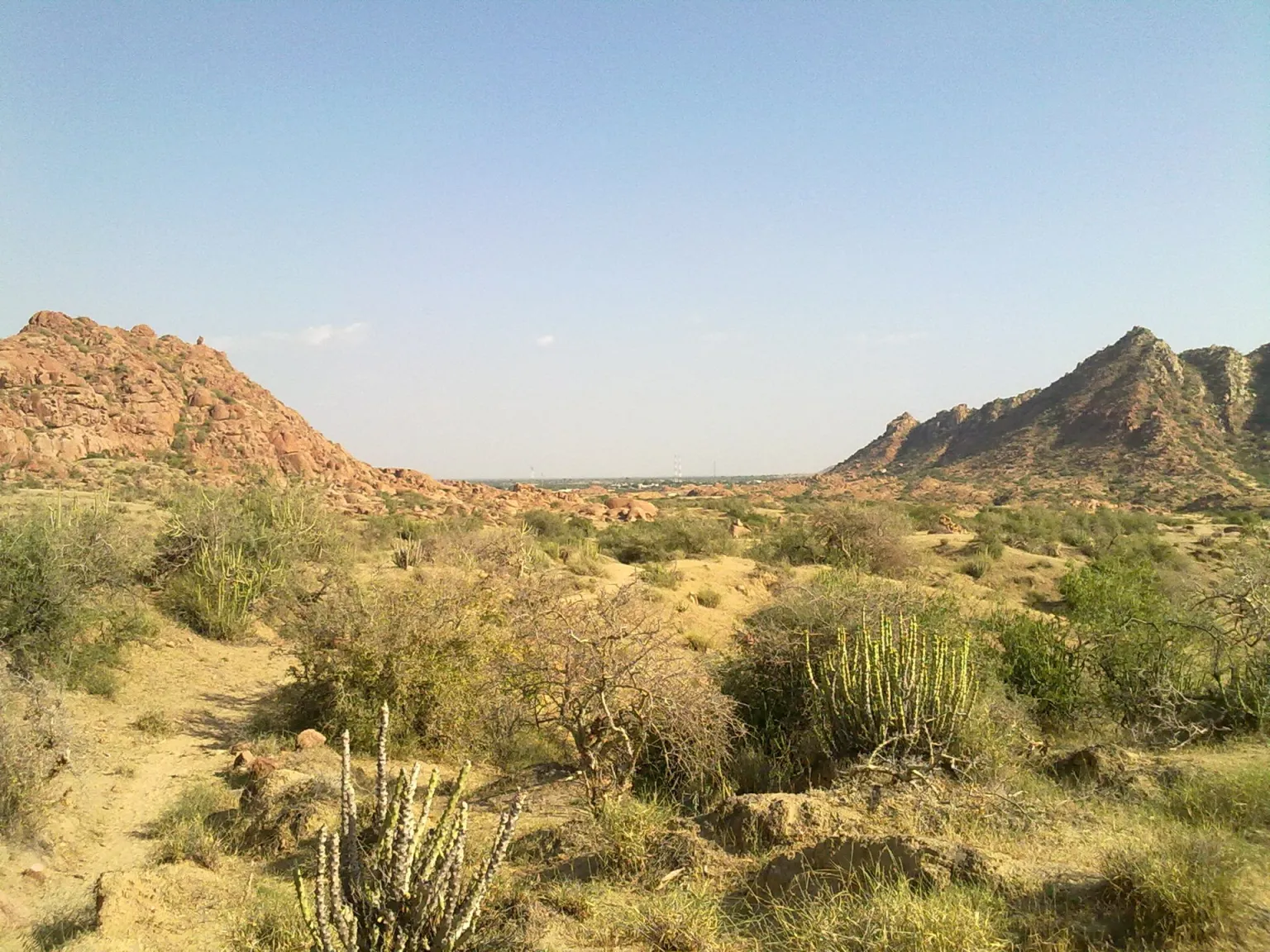
Nagarparkar from the Karoonjhar hills, Tharparkar, Sindh
About Thar and Nagarparkar
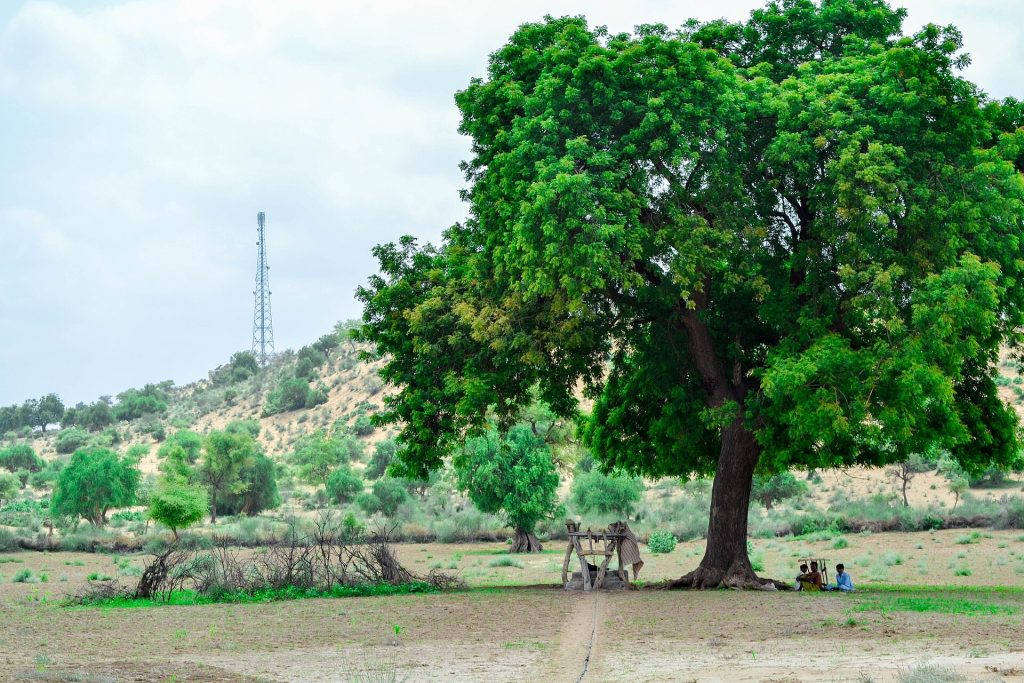
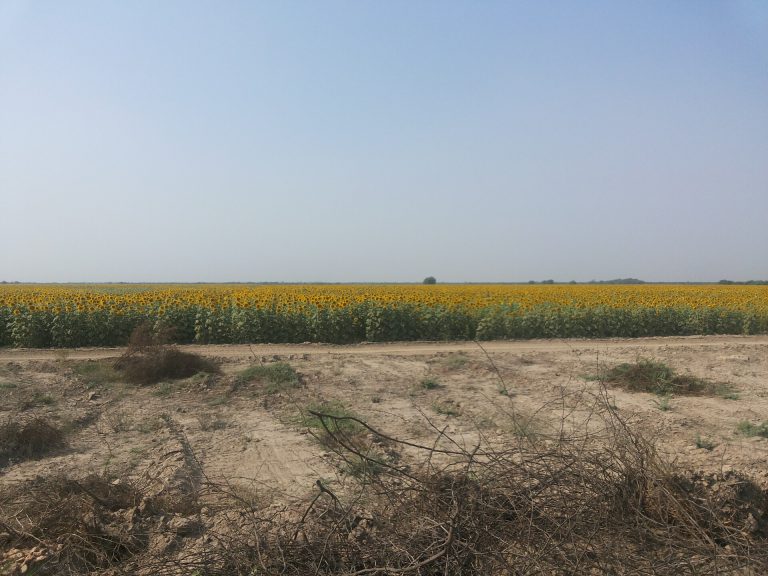
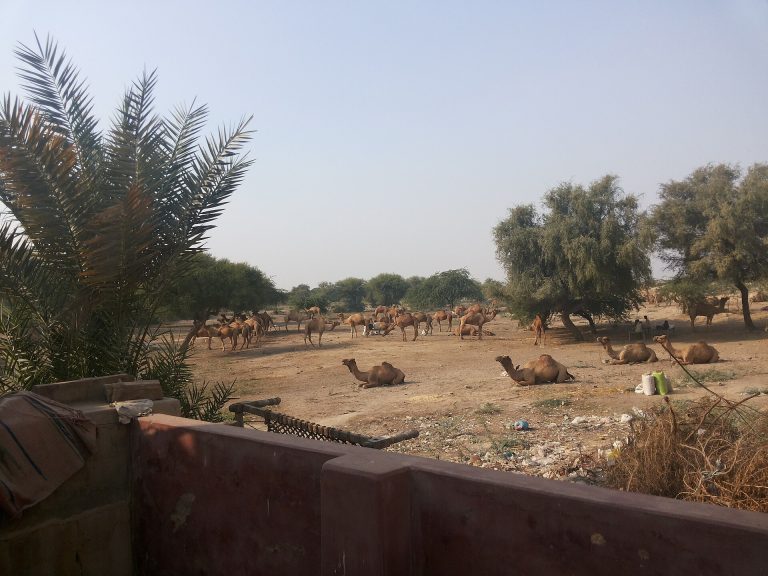
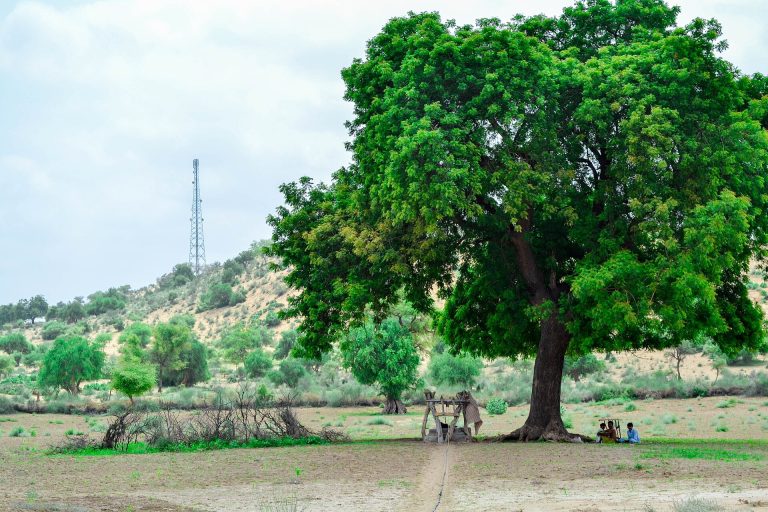
In Pakistan's far south-east, the Thar desert fills most of Tharparkar district: a landscape of rolling sand ridges, thorny scrub and scattered villages of round, thatched huts called chaunras, where peafowl strut between courtyards and camels and goats graze the dunes. The district town of Mithi, with its Hindu-majority population and long tradition of interfaith harmony, is the usual base. After a good monsoon, usually from July to September, the desert turns startlingly green and the tanks fill with water.
At the desert's southern edge, near the salt flats of the Rann of Kutch, the land suddenly rises into the Karoonjhar hills: rounded domes of pink granite around the small town of Nagarparkar. UNESCO's tentative-list entry, which Pakistan submitted in 2016 as the 'Nagarparkar Cultural Landscape', explains why this corner matters. As late as the 15th century the sea reached close to these hills, and the area grew rich on trade. Jain merchant communities built temples here between the 12th and 15th centuries, at Gori, Bhodesar, Virawah and in Nagarparkar's bazaar, along with water tanks and pilgrimage sites in the hills. As the coastline and trade routes shifted, the Jain population dwindled, and the last community left in 1947.
Today the temples stand empty but remarkably intact, cared for by local people of several faiths. Combined with the shrines, wells and festivals of Thari Hindus and Muslims, and the stark beauty of the granite and sand, they make this one of Pakistan's most distinctive and least crowded journeys.
Thar is quiet, generous and unhurried; give it time and it will give you some of Pakistan's most memorable encounters.
Highlights
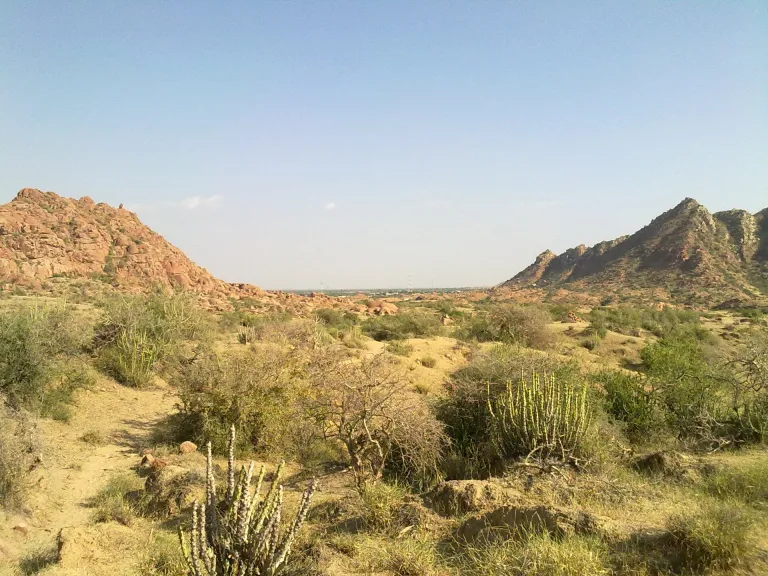 Karoonjhar hillsPink granite hills rising above Nagarparkar, with pools, caves and the old pilgrimage site of Sardhara. Climb in the early morning for views over the Rann.
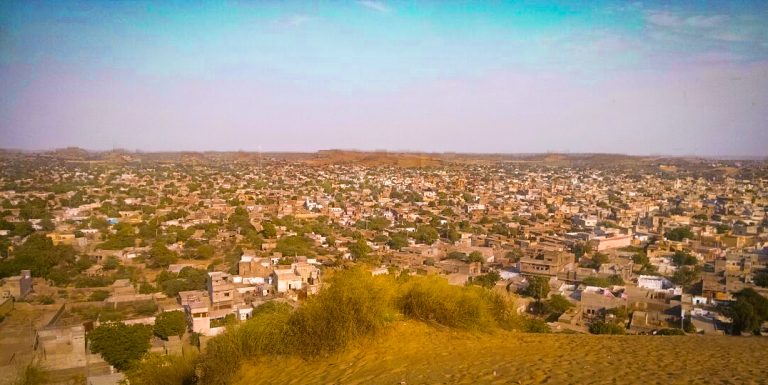 MithiThe district town, known for its interfaith harmony, its hilltop Gaddi Bhit viewpoint and its markets selling Thari embroidery and rilli quilts.
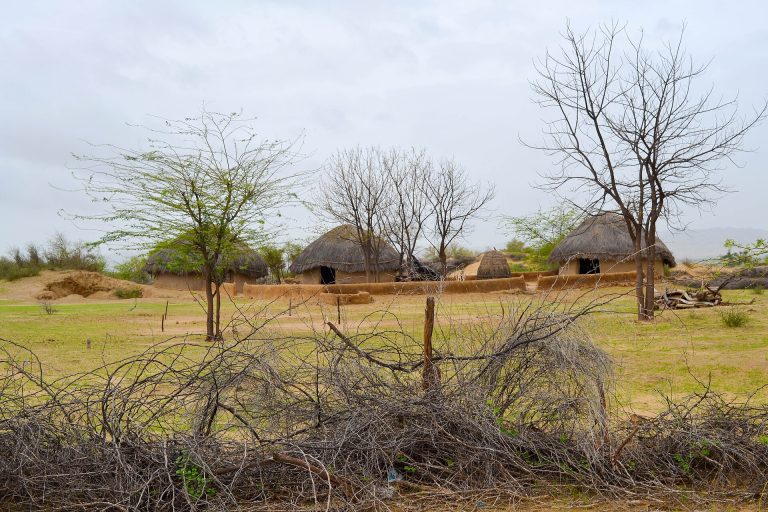 Desert villagesRound thatched chaunras, painted courtyards and wells; visit with a local host who can introduce you.
Plan Your Trip
Best Time to Visit
November–February or after the monsoon
Winter is comfortable for walking. August and September can be beautiful after good rains but are hot and humid. April to June is extremely hot.
How to Reach
By road via Hyderabad
Paved roads reach Mithi from Hyderabad through Mirpur Khas and Umerkot, or via Badin, and continue south-east to Nagarparkar. From Karachi, allow most of a day to reach Mithi and more to reach Nagarparkar.
Where to Stay
Government rest houses and guesthouses
The Sindh Tourism Development Corporation runs the Marvi Rest House in Mithi and the Rooplo Kohli Resort in Nagarparkar; there are also small hotels in Mithi and Islamkot.
Food
Thari vegetarian staples
Expect bajra (millet) rotis, lentils, kadhi, desert vegetables and buttermilk; many Thari households are vegetarian.
Culture & Etiquette
Respect both faiths
Many Thari Hindus do not eat beef; avoid bringing it into villages. Remove shoes at temples and ask before photographing women.
Advisories
Near the international border
Nagarparkar lies close to the India border, where security checks are common; carry original ID. The UK FCDO advises against all but essential travel within 5 miles of the Pakistan–India border; check current advisories and local guidance.
Suggested Visit Plan
- 1
Book stays and check rules
Reserve government rest houses through the Sindh Tourism Development Corporation, and check requirements for foreign visitors near the border with local authorities. Read the UK FCDO and US State Department advice for Pakistan before travelling.
- 2
Day 1: Karachi or Hyderabad to Mithi
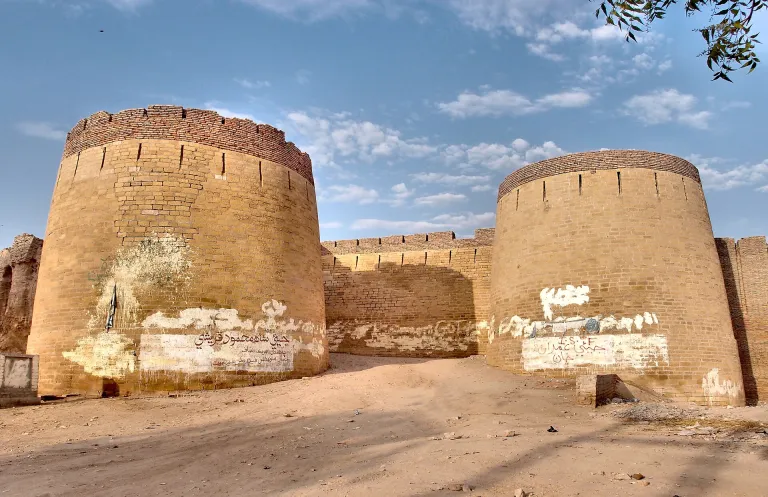
Drive via Mirpur Khas and Umerkot; stop at Umerkot Fort if time allows, and arrive in Mithi for sunset from Gaddi Bhit.
- 3
Day 2: Villages and on to Nagarparkar
Visit desert villages with a local guide in the morning, then drive south-east to Nagarparkar.
- 4
Day 3: Karoonjhar and the Jain temples
Climb into the Karoonjhar hills at dawn, then visit the bazaar temple, Bhodesar and Gori.
- 5
Day 4: Return
Drive back towards Hyderabad or Karachi, allowing a full day on the road.
Visit Responsibly
- Do not touch painted surfaces in the temples, and never use flash on frescoes.
- Water is precious in Thar: use it sparingly and never pollute wells or tanks.
- Buy embroidery and rilli quilts directly from artisans.
- Do not chase or feed the peafowl.
- Avoid flying drones near the border and security posts.
Frequently Asked Questions
What is the best time to visit Tharparkar?
November to February for comfortable weather, or August and September after a good monsoon, when the desert turns green.
Why are there Jain temples in Nagarparkar?
Jain merchant communities prospered here when the sea and trade routes came close to the Karoonjhar hills, building temples between the 12th and 15th centuries. The community declined in the 19th century and the last members left in 1947.
Where can I stay in Nagarparkar?
The Sindh Tourism Development Corporation lists the Rooplo Kohli Resort in Nagarparkar and the Marvi Rest House in Mithi. Book ahead and confirm availability.
Is Nagarparkar near the Indian border?
Yes. Expect security checkpoints and carry original ID. Check current advisories and local guidance before going.
Is Nagarparkar a UNESCO site?
The Nagarparkar Cultural Landscape was added to Pakistan's UNESCO Tentative List in 2016; it is not inscribed.
Keep Exploring
Related places and stories on DailyLife.pk
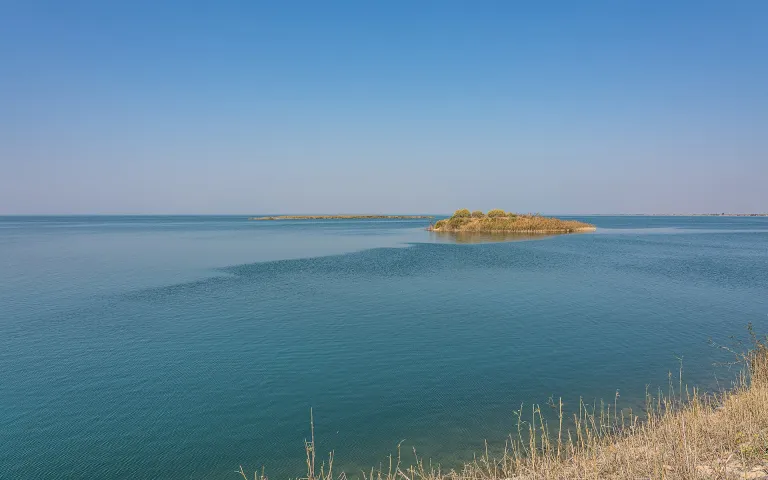 Keenjhar LakeVisit Keenjhar Lake near Thatta: Ramsar wetland, winter birds, Noori Jam Tamachi shrine, boating, STDC resort
 Cholistan DesertCholistan Desert guide: Derawar Fort and the desert forts, the Cholistan Desert Rally, Channan Pir
 Makli NecropolisVisit Makli Necropolis near Thatta, Sindh: Jam Nizamuddin II
 MithiMithi and Tharparkar guide: interfaith harmony, desert villages, peacocks, Nagarparkar, Thar coal, 2023 Census population
 UmerkotUmerkot city guide: Umerkot Fort, Akbar's birthplace, the legend of Umar Marvi, gateway to Thar
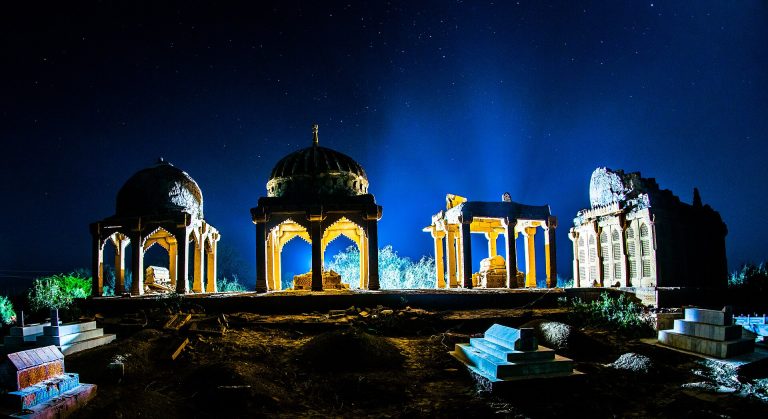 Mirpur KhasMirpur Khas city guide: Talpur history, Chitorri tombs, Kahu-jo-daro stupa, the mango festival, 2023 Census population
How we know this
- Type Travel guide
- Sources 7 (3 official/academic)
- Reviewed October 2026
- Disputed points None
Rules and fees change, confirm with the official links below before you act.
7 sources
- Nagarparkar Cultural Landscape (Tentative List), UNESCO World Heritage Centre
- Resorts, Sindh Tourism Development Corporation
- Mithi: where a Hindu fasts and a Muslim does not slaughter cows, Dawn
- Jain legacy of Nagarparkar, The Friday Times
- Umerkot Fort, Umerkot, Culture, Tourism, Antiquities & Archives Department, Government of Sindh
- Foreign travel advice: Pakistan, UK Foreign, Commonwealth & Development Office
- Pakistan Travel Advisory, US Department of State
Photo credits (7)
- Nagarparkar City view from Karoonjhar Mountains..jpg, Mjakhro, CC BY-SA 3.0, via Wikimedia Commons
- Tharparkar after monsoon rains.jpg, Baharwassan, CC BY-SA 4.0, via Wikimedia Commons
- Mithi, Sindh 2018.jpg, Engr Farhan Nazir, CC BY-SA 4.0, via Wikimedia Commons
- Traditional Desert Hamlets.jpg, Baharwassan, CC BY-SA 4.0, via Wikimedia Commons
- Sunflower Fields in Desert Tharparkar Sind, Near Umer Kot.jpg, M. Jamil Khan, CC BY-SA 3.0, via Wikimedia Commons
- Herd of Camels in Tharparkar Desert.jpg, M. Jamil Khan, CC BY-SA 3.0, via Wikimedia Commons
- Cholistan camels.jpg, Hamza Bin Asim, CC BY-SA 4.0, via Wikimedia Commons
