
Travel destination
Naltar Valley: Pine ForestsColoured Lakes and Snow
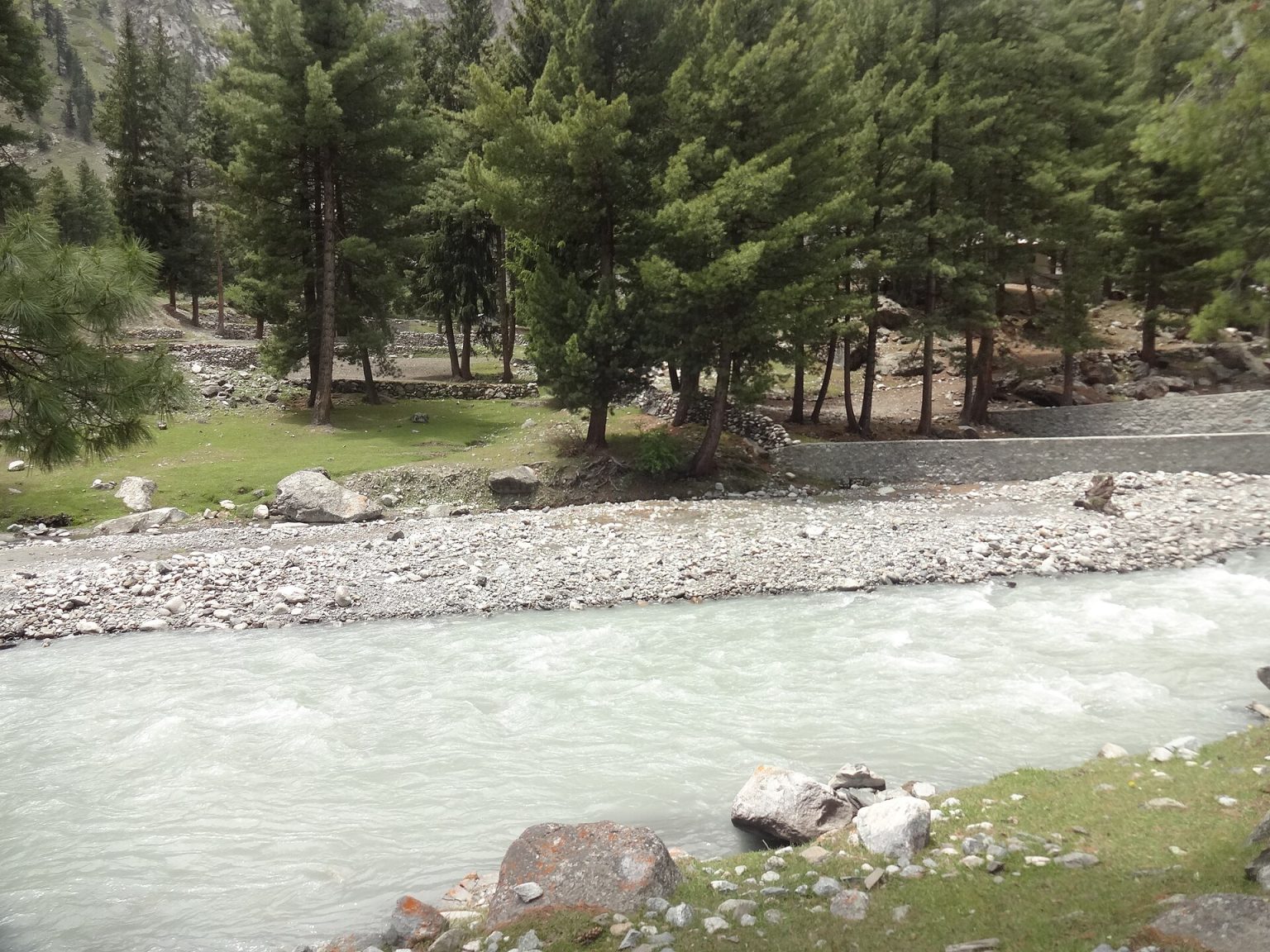
A forested side valley close to Gilgit, known for its string of coloured alpine lakes in summer and one of Pakistan's few ski slopes in winter.
- Gilgit District, Gilgit-Baltistan
- Around 3,000 m
- Lakes June–September; snow in winter
Naltar Valley, Gilgit District
About Naltar Valley
Naltar is the closest true alpine escape to Gilgit. The valley opens north-west of the Hunza River near Nomal and climbs through villages, then dense forests of pine, fir and cedar, to open meadows ringed by snow peaks. It sits at around 3,000 metres, and its upper reaches are part of the Naltar Wildlife Sanctuary, established in 1975.
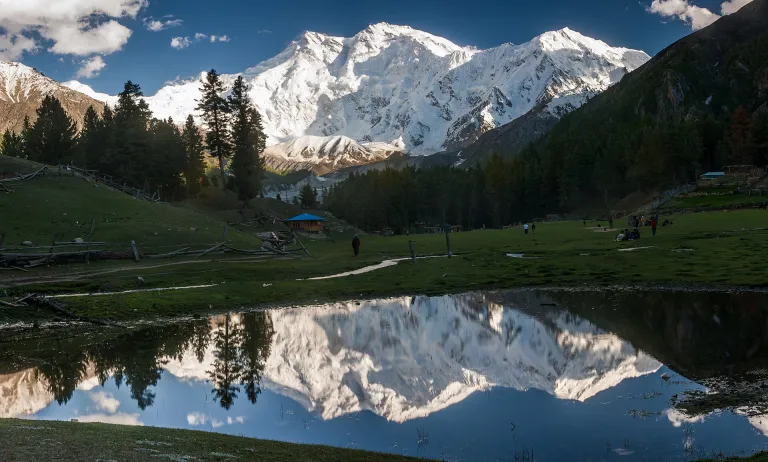
In summer the valley's fame rests on its lakes. Above Naltar Bala, a chain of small lakes, Satrangi (often spelled Strangi), Blue Lake, Bodlok and others, sometimes grouped as the Bashkiri lakes, shift between emerald, blue and turquoise depending on the light and season, with reflections of the forest and peaks on still mornings. Wildflowers fill the meadows and herders bring livestock up to graze.
In winter Naltar becomes something rarer in Pakistan: a ski destination. The Pakistan Air Force maintains a ski slope and facilities here and hosts competitions, and snow transforms the forest into a quiet, white landscape. Naltar's closeness to Gilgit makes it easy to add to a northern trip, but the road is rough in places, and the valley rewards those who stay a night rather than rushing a day trip.
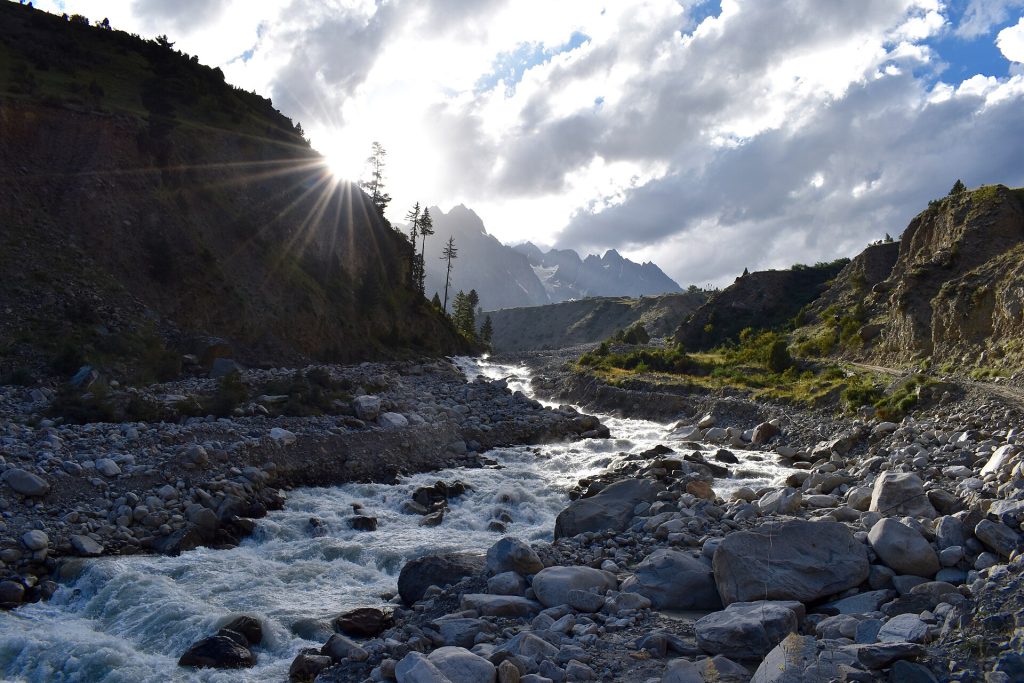
Highlights of Naltar
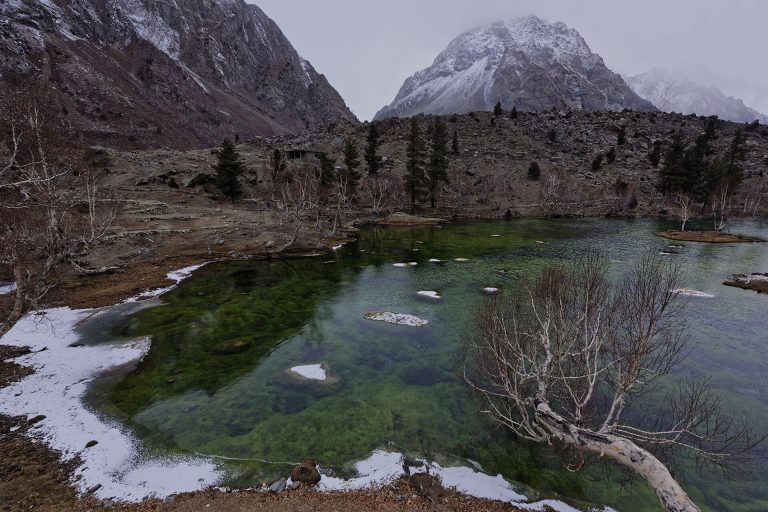 Satrangi LakeThe best-known of the Naltar lakes, its name meaning 'seven colours'. Visit early for the stillest reflections.
Plan Your Trip
Best Time to Visit
June–September; January–March for snow
Summer brings open tracks to the lakes and wildflowers; autumn colours the forest; winter is for snow and skiing, when upper roads may be closed.
How to Reach
From Gilgit via Nomal
Naltar is about 40 km from Gilgit. The lower road is paved but the upper track to the lakes is rough and best done in a local jeep. Allow a few hours from Gilgit with stops.
Where to Stay
Hotels, guesthouses and camping
Small hotels, guesthouses and campsites cluster around Naltar Bala and near the lakes. Facilities are basic; book ahead at weekends and holidays.
Local Food
Simple fare
Expect tea, daal, rice, chicken and fresh trout where available. Gilgit has a wider choice.
Culture & Etiquette
Shina-speaking villages
Dress modestly and ask before photographing people or homes.
Permits & Advisories
Carry ID
Carry CNIC or passport for checkpoints and check current advisories before travelling.
Before You Go
Fees, permits and road conditions change, check these with official sources close to your travel date.
- 1
Check road and weather status
Mountain roads here can close for snow, landslides or repairs at short notice. Check the latest notices from the Gilgit-Baltistan Tourism Department (visitgilgitbaltistan.gov.pk) and ask your hotel or driver the day before setting out.
- 2
Confirm permits and entry rules
Rules for Pakistani and foreign visitors differ and can change. Confirm any registration, NOC or checkpoint requirements with the Gilgit-Baltistan Tourism Department (visitgilgitbaltistan.gov.pk) or the Pakistan Tourism Development Corporation (tourism.gov.pk), and carry your CNIC or passport and visa at all times.
- 3
Check fees and local charges
Entry fees, boat or jeep rates and camping charges are set locally and revised from time to time. Confirm them on the spot or with the official tourism office rather than relying on figures quoted online.
- 4
Read the travel advisories
Foreign visitors should read the UK FCDO (gov.uk/foreign-travel-advice/pakistan) and US State Department (travel.state.gov) advice for Pakistan, which can affect travel insurance, and follow local authority guidance.
Suggested Itinerary
An overnight trip from Gilgit.
- 1
Day 1: Gilgit to Naltar
Drive via Nomal to Naltar Bala, check in, and take an afternoon forest walk.
- 2
Day 2: The lakes
Leave early by jeep for Satrangi and Blue Lake, walk between them, and picnic by the water.
- 3
Day 2 afternoon: Return or continue
Return to Gilgit, or drive on to Rakaposhi viewpoints and Hunza the next morning.
Food and Local Flavours
Food in Naltar is simple and hearty: daal, rice, chicken karahi, fresh bread and endless cups of tea. Trout from cold mountain streams appears on some menus. Stock up on snacks in Gilgit, as choice in the valley is limited. See our guide to Gilgit-Baltistani cuisine.
Travel Responsibly
- Do not wash, swim or leave soap in the lakes.
- Carry all rubbish back to Gilgit.
- Stay on trails in the wildlife sanctuary and never feed animals.
- Avoid campfires using forest wood.
- Hire local jeeps and guides.
- Keep music low, the valley's quiet is part of its value.
Travel Advisories
Gilgit-Baltistan is administered by Pakistan with its own administrative set-up and forms part of the wider Kashmir region, which is disputed. The UK FCDO advises against all travel on the Karakoram Highway between Mansehra and Chilas (via Battagram, Besham, Dasu and Sazin), the usual overland route north from Islamabad; many visitors instead fly to Gilgit or Skardu or, in summer, use the Naran–Babusar road. The US State Department's overall advice for Pakistan is to reconsider travel. Read both before booking, check your insurance, and follow local authority guidance.
Frequently Asked Questions
How far is Naltar from Gilgit?
About 40 km. The lower road is paved, but the track up to the lakes is rough and best tackled in a local jeep.
Can you ski in Naltar?
Yes. The Pakistan Air Force maintains a ski slope and hosts winter competitions. Check in advance whether equipment and lessons are available to visitors.
Which is the most famous Naltar lake?
Satrangi Lake, whose name means 'seven colours', is the best known; Blue Lake and Bodlok are nearby.
Can I visit Naltar as a day trip?
It is possible from Gilgit, but staying a night lets you see the lakes in calm morning light.
Is there mobile signal?
Coverage is limited, especially near the lakes. Carry cash and offline maps.
Keep Exploring
Related places and stories on DailyLife.pk
 Nagar ValleyNagar Valley guide: Rakaposhi viewpoints, Minapin, Hopar and its glaciers, Rush Lake trek
 Hunza ValleyPlan a Hunza Valley trip: Baltit and Altit forts, Attabad Lake, Passu Cones, Hussaini bridgeRakaposhi Base CampRakaposhi Base Camp trek guide: route from Minapin along the Minapin Glacier, Hapakun, best season, difficulty
 Fairy MeadowsFairy Meadows guide: the jeep track from Raikot Bridge, the hike from Tattu, Beyal Camp
 GilgitGilgit city guide: Kargah Buddha, bazaars, polo, 1947 history, Naltar and Rakaposhi day trips
 Rivers and Lakes of PakistanPakistan's rivers and lakes: the Indus and its tributaries, the Indus Waters Treaty, Attabad, Saiful Muluk
How we know this
- Type Travel guide
- Sources 7 (4 official/academic)
- Reviewed October 2026
- Disputed points None
Rules and fees change, confirm with the official links below before you act.
7 sources
- Naltar, Gilgit-Baltistan Tourism e-portal
- Naltar Valley, Tourism Department, Government of Gilgit-Baltistan
- Lakes, mountains, pines, The News on Sunday
- District Gilgit (tourism publication), Pakistan Tourism Development Corporation
- Naltar Lake (used to locate primary sources), Wikipedia
- Pakistan travel advice – warnings and insurance, UK Foreign, Commonwealth & Development Office
- Pakistan Travel Advisory, U.S. Department of State
Photo credits (7)
- Naltar Valley 7.JPG, Sidtm, CC BY-SA 3.0, via Wikimedia Commons
- Evening In Naltar.jpg, Art of nj, CC BY-SA 4.0, via Wikimedia Commons
- Naltar Lake 1 (Satrangi Lake).jpg, Ijazrafi, CC BY-SA 4.0, via Wikimedia Commons
- Rakaposhi & Autumn.jpg, mhtoori, CC BY-SA 4.0, via Wikimedia Commons
- Baltit Fort, Karimabad, Hunza, Gilgit Baltistan.jpg, Fassifarooq, CC BY-SA 4.0, via Wikimedia Commons
- Fairy Meadows GB Pakistan.jpg, Usmanbukhari3362, CC BY-SA 4.0, via Wikimedia Commons
- A view of Gilgit City from Jutial Nala.jpg, Kskhh, CC BY-SA 4.0, via Wikimedia Commons
