
Places to visit
Merewether Tower: a practical visitor guide
Visit Merewether Tower: what to see, historical context, getting there, a realistic plan, families and official access checks.
Merewether Clock Tower in Karachi
A short landmark stop rather than a tower excursion
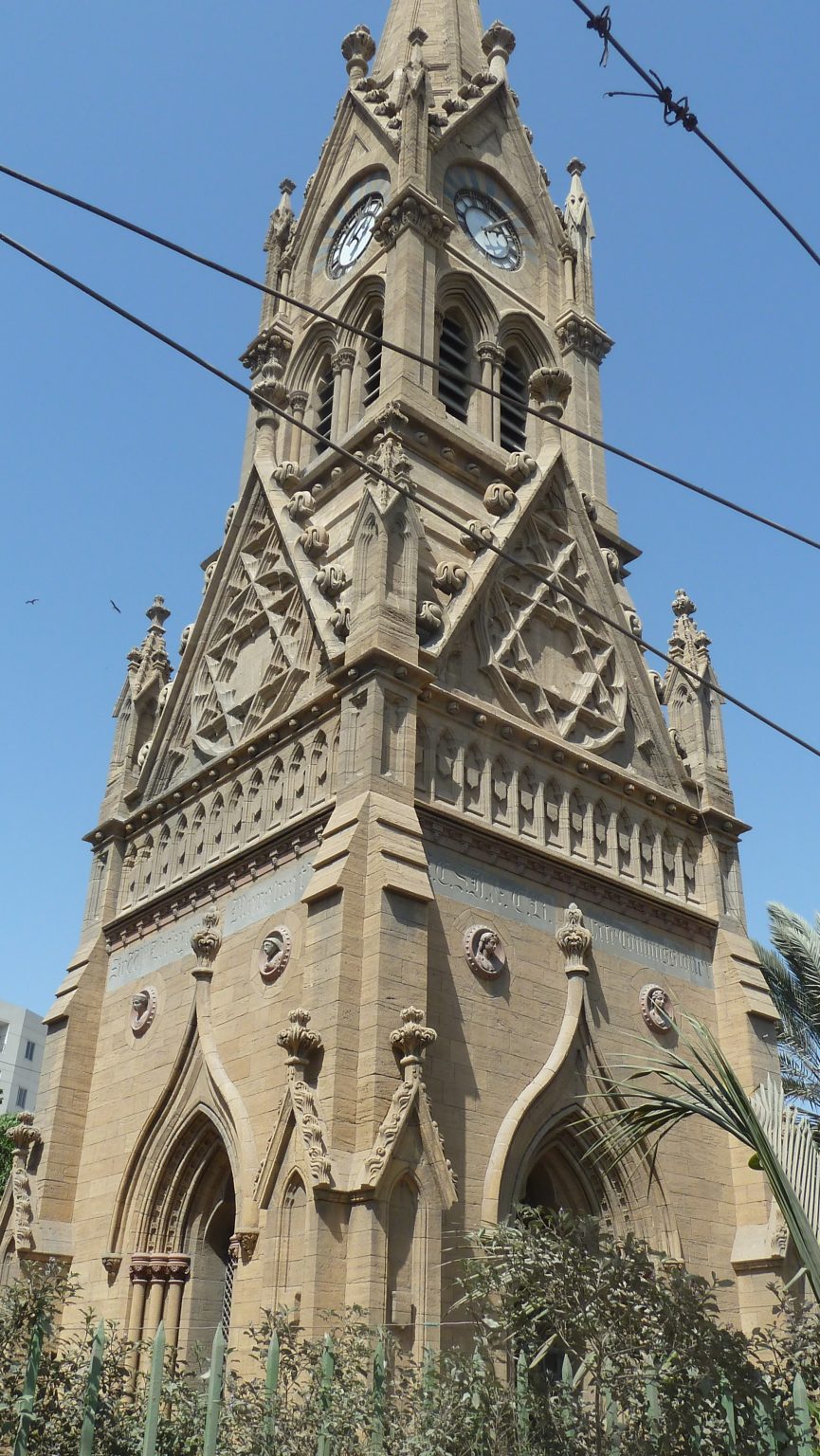
Merewether Tower is a distinctive old-Karachi clock-tower landmark, best approached as a street-level architectural stop. Its official heritage description records a stone tower with four arches, ornamentation, a clock and an iron-fenced setting. Allow about twenty to forty minutes for a deliberate exterior visit as an editorial estimate, with transport time added separately. It is not presented here as an observation tower or an attraction with a verified public interior. If you enjoy how cities mark junctions and public space, the tower can be rewarding without going inside or climbing anything.
History with the evidence kept in proportion
The federal inventory dates the stone tower to 1886 and places it within Karachi's colonial-period heritage. A concise inventory is useful for establishing the structure, but it does not support an elaborate narrative about every carved symbol, dedication or construction phase. If you see an inscription, read it in context and distinguish the date it records from an assumed date for the whole monument. Do not turn a secondary nickname or a passing anecdote into a historical certainty. The building's documented form is already enough to prompt questions about civic memory, timekeeping and the visibility of public monuments in a busy commercial city.
What to observe from public space
Begin with the overall proportion between the tower and its base, then look at the openings, stone details and clock position from a permitted standing point. Four-sided monuments are designed to be encountered from more than one direction, but traffic conditions determine whether several viewpoints are practical. Do not step into a carriageway for an unobstructed view. A clock can be a historical feature even if you have not verified that it works today; avoid captioning a photograph with a claim about present operation. Likewise, a fence may be part of the setting without being an invitation to enter.
Explore the places and guides mentioned
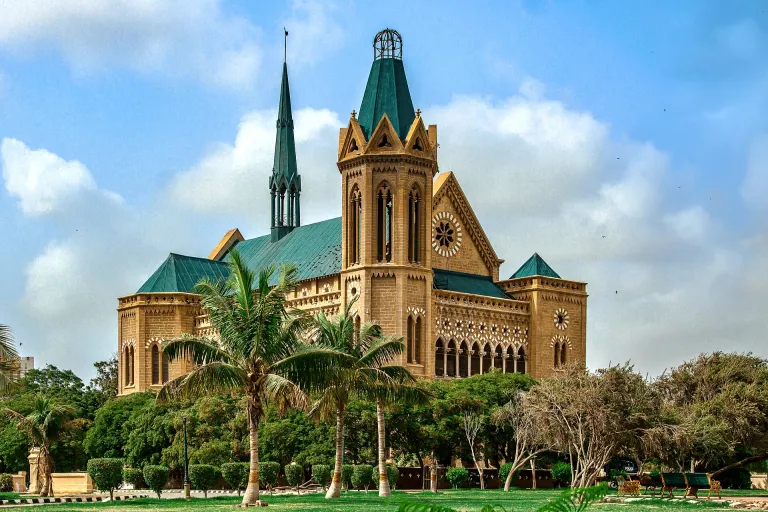
Photographs show the linked places or guide subjects. Open each page for its own visiting and planning information.

A clock monument is also an urban orientation point
A four-sided tower can address people approaching from different directions, which makes its position within the street network part of the design. From the viewpoint you can lawfully use, notice whether the clock, arches and upper form remain readable against the surrounding buildings. Modern visual clutter can change that experience without changing the tower itself. This is a useful way to think about urban conservation: preserving stonework and preserving a monument's visibility are related but distinct questions.
Do not try to recreate a nineteenth-century empty-street photograph by walking into current traffic. A contemporary image that includes the working city can be a more honest record. Caption the structure accurately and leave claims about access, clock operation or restoration dates out unless a current authoritative source establishes them. The short visit then records both the landmark and the city in which it continues to stand.
The journey is the main practical decision
Use Merewether Tower as the exact destination and agree a legal stopping place with your driver. A central road landmark often has no convenient forecourt where visitors can pause. Ask how the return pickup will work before getting out, especially if a quick traffic circuit would otherwise leave someone waiting at an unsuitable location. If linking it with Kharadar or Wazir Mansion, assess the actual pedestrian route and crossings. Nearby distances can still be inconvenient for a group, and a short viewing stop is not worth an improvised dash through traffic.
A compact visit with a beginning and end
Orient yourself from the safe viewpoint first and identify the elements you want to study. Spend a few minutes on the full silhouette, then look for one repeated detail and one feature associated with timekeeping. If another legal viewpoint is easy to reach, compare it; otherwise accept the view you have. Take a final photograph if conditions and local rules allow, then leave by the planned route. This deliberate sequence makes a short visit satisfying. It also prevents the tower becoming a vague detour that delays the rest of the day without providing time to notice anything.
Do not confuse exterior access with entry permission
The heritage inventory describes a fenced ground and an entrance gate but does not establish a current public opening schedule, fee or interior route. A gate's existence is not proof that visitors may use it. This guide verifies no tower climb, guided tour or access to a clock mechanism. If a specialist architectural or educational visit is your goal, obtain permission through the responsible authority first. For an ordinary sightseeing stop, plan around authorised public views. Never climb the fence or ask a shopkeeper to legitimise access to a structure they do not manage.
Use the official attraction information as your starting point for the enquiries above.
Families and mobility considerations
Children may find the idea of a public clock easier to connect with than a list of architectural labels. Ask how people checked the time before carrying a phone, while being clear that one tower does not tell the complete story. Keep the group together on the approach and choose the shortest workable view if the street environment is tiring. Visitors using wheelchairs should assess pavements, kerbs and crossings; the fact that the visit is outside does not make it automatically barrier-free. A view from a suitable nearby public point may be the right plan for some visitors.
Use it as one piece of old Karachi
Read the Karachi city guide before linking several heritage landmarks into a half-day. Wazir Mansion offers a separate museum experience in the wider old-city area, while the tower provides an outdoor comparison in public space. Confirm museum access independently and allow a meal or rest between busier districts. A useful final question is why a city preserves a monument even when the traffic and commerce around it change dramatically. That makes this brief stop more than a facade photograph, without pretending it is a large destination that needs hours of invented activities to justify its inclusion.
For related planning, read Colonial heritage of Pakistan.
Continue planning your trip
Frequently Asked Questions
Can I climb Merewether Tower?
No current public climb or interior tour is verified. Plan an exterior visit from authorised public space.
How long is enough?
Twenty to forty minutes is an editorial allowance for an attentive exterior stop. The approach and return transport require extra time.
Is the clock working?
This guide does not verify present clock operation. The official inventory records a clock as part of the tower’s design and setting.
Is it suitable for a family stop?
It can suit a short architectural visit if the approach is workable. Choose safe public viewpoints and keep children with the group around traffic.
How we know this
- Type Travel guide
- Sources 1 (1 official/academic)
- Reviewed October 2026
- Disputed points None
Rules and fees change, confirm with the official links below before you act.
1 sources
- Merewether Tower — official information, Government of Pakistan
Photo credits (3)
- Merewether Clock Tower, Bundar road 08.jpg, Ghazala Shah, CC BY-SA 4.0, via Wikimedia Commons
- Karachi Skyline 1.jpg, Ktownboy103, CC0, via Wikimedia Commons
- Frere Hall Karachi. Pakistan.jpg, Asim Iftikhar Nagi, CC BY-SA 4.0, via Wikimedia Commons
