
Places to visit
Dir Museum, Chakdara: a practical visitor guide
Visit Dir Museum, Chakdara: what to see, historical context, getting there, a realistic plan, families and official access checks.
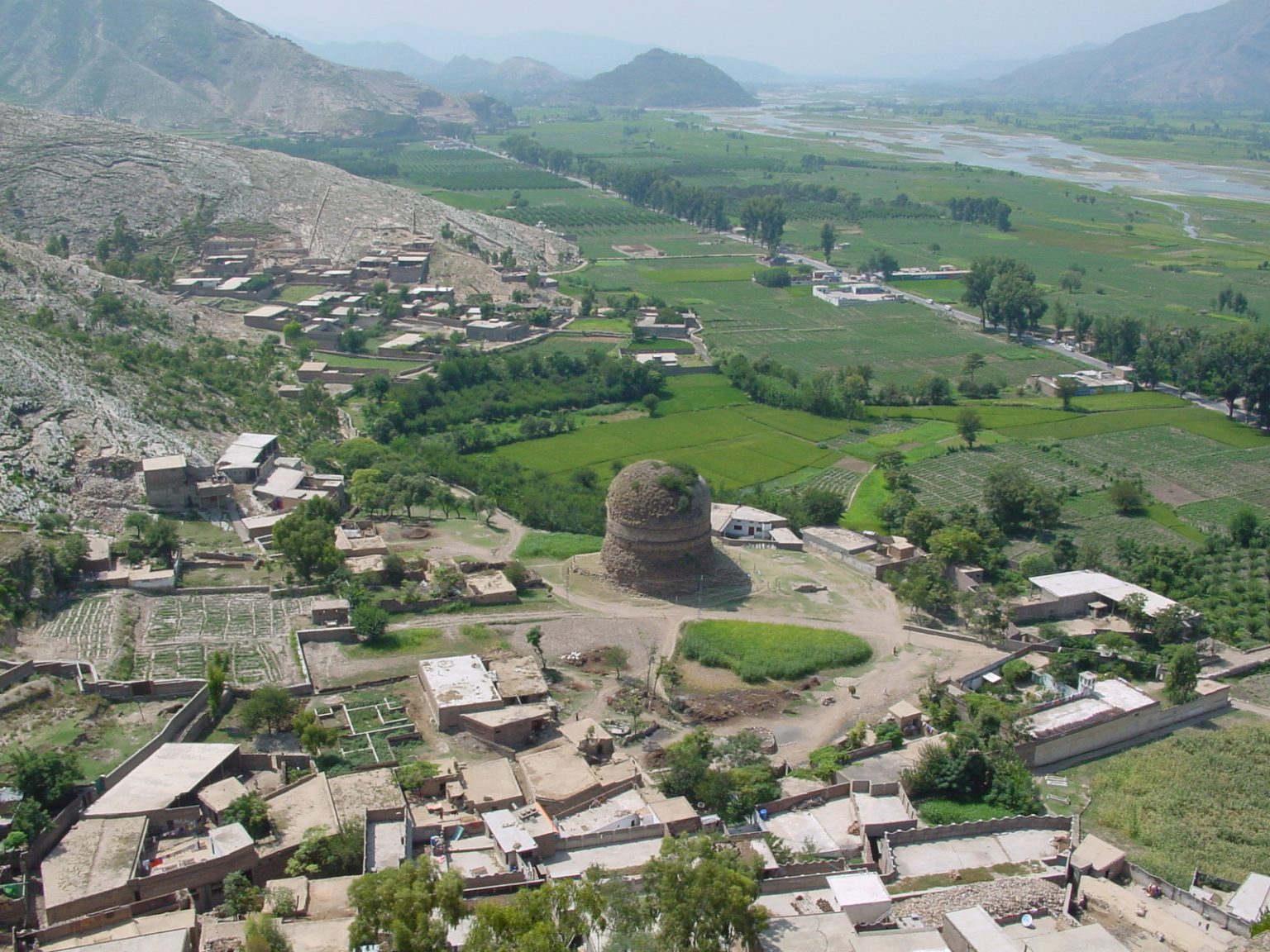
Shingardar stupa near Barikot: regional Gandharan heritage in Swat; the photograph does not show Dir Museum.
Current travel advice — checked 31 October 2026
British travellers: FCDO advice updated 27 October 2026 advises against all travel to Lower Dir and Upper Dir. Check current FCDO advice before considering a journey. Domestic visitors should follow local authority instructions and current permissions; museum opening does not settle route access.
Know which Dir destination you are booking
Dir Museum is in Chakdara, Lower Dir. That distinction matters when plotting a journey: a museum bearing the regional name does not mean it is in the town of Dir or at the end of an upper-valley itinerary. The federal heritage directory also calls it Chakdara Museum. It offers a focused introduction to archaeology and regional material culture, particularly useful for someone passing through the broader Malakand area. Plan approximately ninety minutes to two hours as an editorial estimate, rather than treating it as a roadside photograph stop or a reason to make an unverified long detour.
A collection and a deliberately designed building
The federal directory describes a purpose-built museum designed by Saidal Khan with local Malakandi stone, an arched entrance and two square towers. Its collections include Gandharan sculpture and ethnological material. The history of the building and the age of its contents need to be kept separate. A modern museum can refer to older regional forms without itself being ancient. Look at the building after looking at the objects and ask how its scale, materials and entrance prepare visitors for what is inside. Architecture is part of the visit, but it should not become a reason to ignore the labels.
Explore the places and guides mentioned
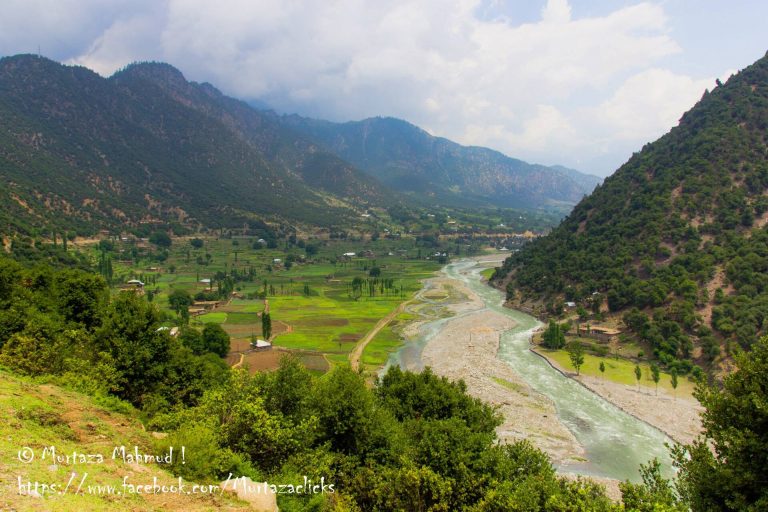
Photographs show the linked places or guide subjects. Open each page for its own visiting and planning information.

What to look at beyond a single famous figure
With Buddhist narrative sculpture, begin by identifying the composition: a central figure, attendants, architectural frame or sequence of scenes. Then read the museum's identification instead of trying to decide the subject from appearance alone. Compare this with clothing, furniture or household material in any open ethnological displays. These groups operate at different scales and belong to different historical contexts. Do not read a later regional dress display as a direct reconstruction of ancient Gandhara. The interesting connection is the museum's broad regional remit, not a claim that all the material represents one unchanging culture.
Stone building, stone sculpture, different kinds of evidence
The museum's Malakandi-stone exterior offers a useful comparison with the stone sculpture inside, but do not infer a common quarry or an ancient continuity of technique merely from the material category. The modern building is a designed container for interpretation; the objects have separate dates, makers and uses. Look at how the architect's towers and arched entrance create a regional impression without reproducing an excavated Buddhist building. This distinction helps visitors appreciate a modern museum's choices rather than treating its historic-looking appearance as archaeological evidence.
The federal description identifies Buddhist narrative subjects ranging from Siddhartha's life before renunciation to teaching scenes, together with later regional clothing, furniture and utensils. If both collection areas are open, use one narrative panel and one ordinary domestic object as your anchors. For the panel, ask how the viewer is directed through a story. For the utensil or furnishing, ask what physical task its shape solves. These questions make the transition between galleries meaningful while keeping their periods distinct. The museum's value is not a claim of one unbroken timeless culture: it is the opportunity to study different kinds of evidence from a region where landscapes, beliefs and everyday lives have changed.
Travel logistics at a junction
Save the destination under both Dir Museum and Chakdara Museum, and confirm the entrance location with the provincial authority before travelling. A junction town can be easy to pass through while still requiring a deliberate turn and legal stopping point for a visit. If a driver is handling an onward journey, agree how long the museum stop is expected to last and where luggage will remain. Do not count on catching an unspecified public vehicle immediately after leaving. Travellers should check current official regional advice and road conditions independently, especially before turning a local museum visit into part of a longer northern itinerary.
A visit that balances archaeology and daily life
Start by checking whether both archaeological and ethnological subjects are accessible. Give the first half of the visit to sculpture, selecting a small group for comparison. Use the second half to change scale and look at domestic or regional material, if displayed. Choose one object whose original function is explained and one whose interpretation is less certain. The difference is worth discussing: museums preserve evidence, but evidence does not answer every question. End outside with a few minutes for the stone building. This plan creates variety and leaves a sensible point at which to stop if children become tired.
What needs a direct answer before departure
The heritage directory is not a live operating notice. This guide does not confirm a current ticket price, opening day, guided tour or step-free route. Contact the museum authority about your intended date, the last admission and any closures or works. Ask whether photography is allowed and whether there are restrictions on flash, tripods or filming. If travelling with someone who cannot manage steps, request a description of the whole intended route rather than a general assurance that visitors are welcome. For a group visit, clarify whether advance notice is required and whether staff can accommodate the group's language needs.
Use the official attraction information as your starting point for the enquiries above.
Families and the onward decision
Children can look for the difference between an object made to be seen and an object made to be used. Let them explain their answer using visible clues instead of supplying a correct response immediately. Do not encourage touching stonework or display objects to test material. Read the Dir city guide for broader regional orientation, but keep Chakdara explicit in your transport notes. If travelling onward towards Swat or Dir, a shorter museum visit plus a relaxed journey is often more realistic than combining multiple archaeological stops. Treat all onward timings as separate planning decisions, supported by current route information rather than the museum's location alone.
For related planning, read Swat Valley.
Continue planning your trip
Frequently Asked Questions
Is Dir Museum in Dir town?
The museum described here is in Chakdara, Lower Dir, and is also called Chakdara Museum. Confirm that name and location when arranging transport.
What makes the building interesting?
The federal directory identifies Malakandi stone, an arched entrance and square towers in the purpose-built design. The building is distinct from the ancient objects displayed inside.
Can I visit on the way to Swat?
It may fit a suitable route, but confirm current opening, regional advice, road conditions and the museum entrance before committing to a detour.
Are current prices known?
No current tariff is verified here. Ask the responsible museum authority about admission, photography and group arrangements for your date.
How we know this
- Type Travel guide
- Sources 2 (1 official/academic)
- Reviewed October 2026
- Disputed points None
Rules and fees change, confirm with the official links below before you act.
2 sources
- Dir Museum, Chakdara — official information, Government of Pakistan
- Pakistan travel advice; updated 27 October 2026, UK Foreign, Commonwealth and Development Office
Photo credits (3)
- Shingardar Stupa Barikot Swat.JPG, Sultan771, CC BY-SA 3.0, via Wikimedia Commons
- Kumrat valley, Upper Dir.jpg, Adilswati, CC BY-SA 4.0, via Wikimedia Commons
- Panoramic shot of SWAT. the place is called KALAM.jpg, Syed ali025, CC BY-SA 4.0, via Wikimedia Commons
