
Places to visit
Bahawalpur Museum: a practical visitor guide
Visit Bahawalpur Museum: what to see, historical context, getting there, a realistic plan, families and official access checks.
Bahawalpur Museum
A different way into Bahawalpur
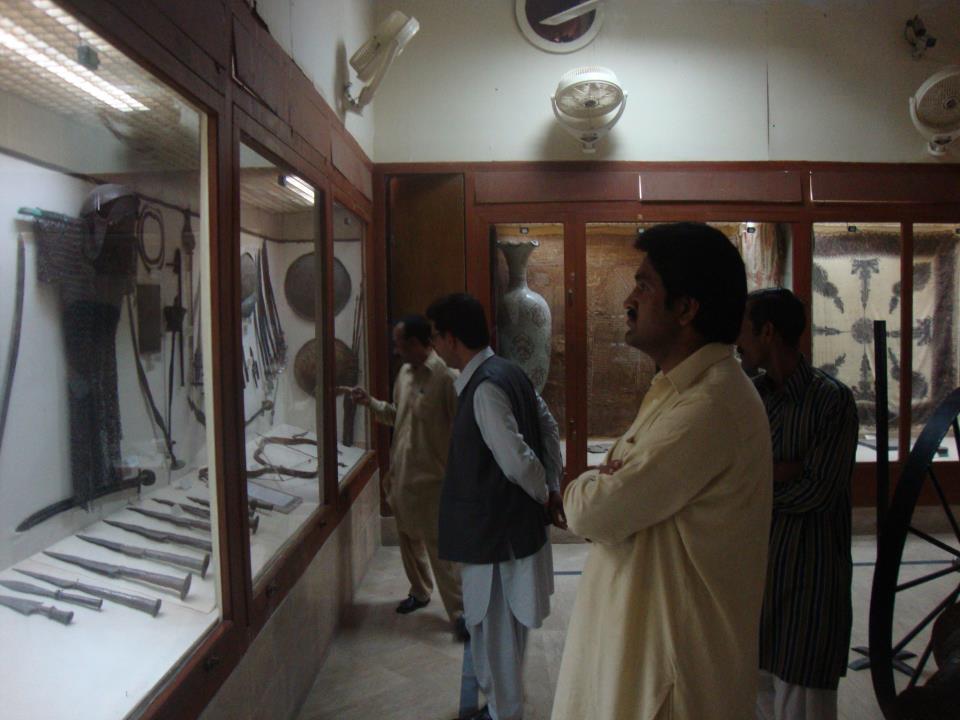
Bahawalpur Museum makes sense before a palace-and-desert itinerary because it shifts attention from impressive buildings to the region's people, objects and changing identities. It is a city museum visit, not a substitute for travelling into Cholistan or visiting an archaeological site. Choose it if you want context for the textiles, manuscripts, historical images and regional traditions you may encounter elsewhere. An editorial allowance of ninety minutes to two hours should suit a first visit with selective reading. Build in longer if a family member reads Urdu or another display language more slowly or wants to take notes.
What the official record establishes
The Bahawalpur district government's museum page describes collections covering archaeology, cultural heritage, religion, art and modern history. It gives conflicting establishment years, mentioning both 1976 and 1974. That discrepancy is a good reason not to build an elaborate anniversary story around one date. The dependable visitor takeaway is the institution's regional remit, not a precise founding-year claim. Museums also change displays, so a collection described online is not a promise that every object or gallery will be available during your visit. Ask at reception which rooms are open and whether anything has moved temporarily.
Read regional history through several kinds of objects
The district overview identifies archaeology, the Pakistan Movement, Islamic manuscripts and inscriptions, cultural heritage, art and coins among the museum's subjects. Approach these as different sources of evidence rather than chapters of one simple story. A coin can suggest authority and circulation; a household object can reveal a practical need; a manuscript can show the labour of writing and decoration. When a label provides a locality, place it mentally on the landscape around Bahawalpur. Distinguish an object made in the region from one collected there. Both can be interesting, but they answer different historical questions.
Explore the places and guides mentioned
Photographs show the linked places or guide subjects. Open each page for its own visiting and planning information.

Cholistan craft and the former state’s coinage
A Punjab Urban Unit archaeology handbook describes regional handicrafts and fabrics, together with a Coins and Medals Gallery including coins minted by the former Bahawalpur state. Those are especially useful subjects for giving the museum a clear regional focus. If available, compare a coin's formal expression of authority with a textile's combination of material, technique and use. One object was made to circulate under a political authority; the other may communicate identity, skill or a practical response to climate. Neither needs to be very large to tell an important story.
The handbook also describes manuscripts and calligraphy and places the museum less than a kilometre southeast of Farid Gate. Treat that as general city orientation rather than a measured walking instruction or a guarantee about the present entrance. A practical route is to see the museum first, then decide whether the group's interest lies in the commercial city or a separately arranged palace visit. If someone wants to buy a regional textile afterwards, the museum can supply questions about technique and attribution rather than a shopping endorsement. Ask sellers clearly what is handmade, where an item was produced and which features they can substantiate; an attractive regional label alone does not answer those questions.
Arrange a city journey before a desert day
Set the destination as Bahawalpur Museum and verify the entrance location with the institution or your accommodation before leaving. Do not combine museum opening assumptions with an early departure into the desert without checking both. A city driver can help identify a workable drop-off, but ask separately where to meet afterwards. If you are arriving by rail or intercity bus, settle baggage and onward transport first instead of trying to visit with travel luggage. No through journey time is promised here: station transfers, city traffic and the day's other commitments determine whether the museum fits comfortably.
A first-visit sequence that avoids gallery fatigue
Begin with the regional overview rather than immediately searching for a famous object. Then choose two contrasting subjects: archaeology and cultural heritage work well together, or manuscript material and modern political history. Spend a few minutes at the end comparing what the two sections explain and what they leave open. For a group, agree on a meeting point and a finishing time before splitting up. A short shared conversation afterwards is more useful than trying to keep everyone beside the same case. If only an hour is available, reduce the number of rooms rather than hurry through each one.
Confirm the details that can change
The official district page is useful for identifying the museum and its scope, but it does not establish a dependable current visitor timetable or tariff for this guide. Confirm the opening day, last entry, ticket categories and photography policy directly before travelling. Ask about holiday closures and group arrangements if coming with a school or a large family. Carry the identification needed for any concession you intend to claim. If someone requires accessible toilets, a ramp or regular seating, ask specifically about those facilities. Do not assume that a public institution has the same visitor services as a larger metropolitan museum.
Use the official attraction information as your starting point for the enquiries above.
Families, local context and nearby reading
Children can compare one object made for display with one made for repeated everyday use. The discussion need not depend on dates: ask which material would survive most easily, or what a future museum might collect from today's household. Avoid treating regional dress or craft displays as a complete description of how everyone lives now. Bahawalpur's communities have changing contemporary lives as well as heritage. Use the Bahawalpur city guide to plan the rest of the city visit, and read DailyLife's existing Noor Mahal and Bahawalpur palaces guide before making a separate palace journey. The museum and a palace serve different interests, so leave a meal or rest break between them.
For related planning, read Noor Mahal and Bahawalpur palaces.
Continue planning your trip
Frequently Asked Questions
What does Bahawalpur Museum cover?
The official district overview describes archaeology, cultural heritage, Islamic manuscripts, art, coins and modern history. The exact displays accessible on a given day need confirmation.
Was it founded in 1974 or 1976?
The district page includes both years. This guide flags the inconsistency instead of presenting one as settled fact.
Can I combine it with Cholistan?
Possibly, but a desert excursion needs its own transport and daylight plan. Confirm museum hours before committing to a same-day combination.
Is ninety minutes enough?
It is a reasonable editorial starting allowance for selected galleries. Detailed reading, a group visit or temporary displays can require longer.
How we know this
- Type Travel guide
- Sources 2 (2 official/academic)
- Reviewed October 2026
- Disputed points None
Rules and fees change, confirm with the official links below before you act.
2 sources
- Bahawalpur Museum — official information, Government of Punjab
- Archaeology handbook of Cholistan, The Urban Unit, Government of Punjab
Photo credits (3)
- Bahawalpur Museum.JPG, Saeed Akhtar Sial, CC BY-SA 3.0, via Wikimedia Commons
- Front Elevation of Noor Mahal.jpg, Muhammad Ashar, CC BY-SA 3.0, via Wikimedia Commons
- Derawar Fort, Cholistan, Punjab.jpg, Umasha79, CC BY 4.0, via Wikimedia Commons
