
People
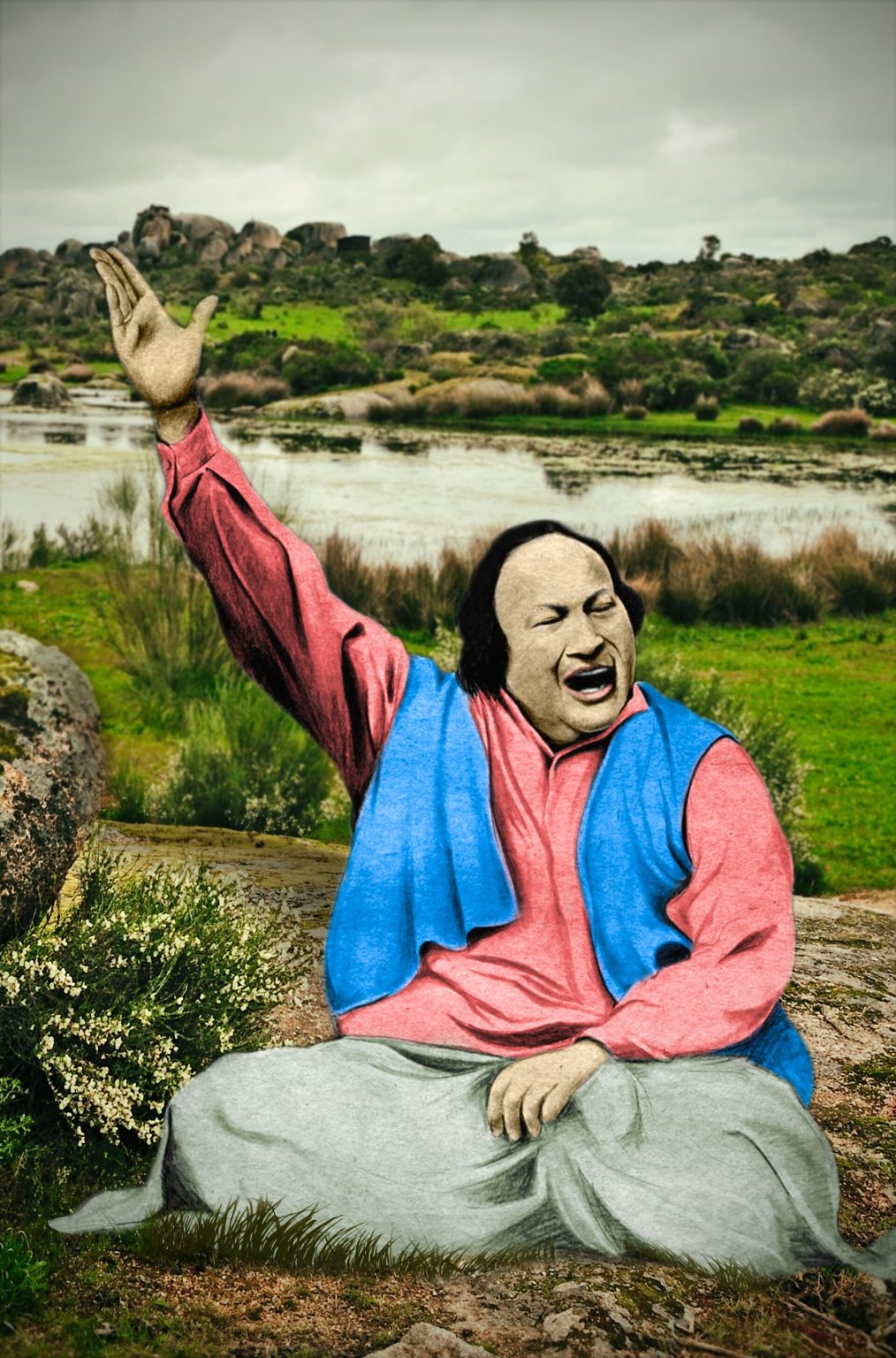
Nusrat Fateh Ali Khan: Shahenshah-e-Qawwali
The Faisalabad-born singer who took qawwali, the Sufi devotional music of South Asia, to concert halls and film soundtracks worldwide, before his death in London at 48.
- 1948–1997
- Qawwali
- Faisalabad
- Born
- 13 October 1948, Faisalabad
- Died
- 16 August 1997
- Known for
- Qawwali singer and musician
- Field
- Music
About Nusrat Fateh Ali Khan
Nusrat Fateh Ali Khan was born in Lyallpur (now Faisalabad) in 1948 into a family of qawwals; his father, Fateh Ali Khan, was a respected musicologist and singer. He began training as a singer at nine and joined the family group after his father's death in 1964; in 1971, when his uncle Mubarak Ali Khan died, he became head of the family's qawwali party.
Britannica calls him one of the greatest performers of qawwali, the Sufi devotional music whose simple melodies, driving rhythms and improvisation are meant to lift listeners towards ecstasy. His enormous voice and inventive improvisation made him a star in Pakistan, and from his Western debut at the WOMAD festival in 1985 he brought qawwali to audiences around the world.
He worked with Peter Gabriel and the Real World label, recorded crossover albums with Michael Brook and sang on Hollywood soundtracks, while continuing to perform traditional qawwali. He died of a cardiac arrest at the Cromwell Hospital in London on 16 August 1997, aged 48, and was buried in Faisalabad.
Life at a Glance
13 October 1948
Born in Lyallpur
Born in Lyallpur, now Faisalabad, into a hereditary family of qawwals.
1964–1965
Into the family trade
After his father's death in 1964 he becomes a lead singer in the family party.
1971
Head of the party
Takes over leadership of the qawwali party after the death of his uncle Mubarak Ali Khan.
1985
WOMAD
Performs at the WOMAD festival in England, the start of his international career.
1987
Pride of Performance
Receives Pakistan's Pride of Performance award.
1988–1990
Real World
Works with Peter Gabriel on music for The Last Temptation of Christ; records Mustt Mustt with Michael Brook for Real World.
1995
Hollywood and UNESCO
Sings with Eddie Vedder on the Dead Man Walking soundtrack and receives the UNESCO Music Prize.
16 August 1997
Death in London
Dies at the Cromwell Hospital, London, after travelling for treatment of liver and kidney problems; buried in Faisalabad.
Music
Nusrat's qawwali was rooted in the tradition of the Sufi shrines: Persian, Urdu and Punjabi verses in praise of God, the Prophet and the saints, sung by a lead voice and chorus to harmonium and tabla, building over long performances. His classical training allowed him to weave long, virtuosic improvisations into the form. Songs such as 'Dam Mast Qalandar' became household favourites.
He was also an experimenter. On Real World albums such as Mustt Mustt and Night Song with Michael Brook, and in work with Peter Gabriel, he set qawwali vocals against Western production, reaching listeners who had never heard Urdu or Punjabi. Peter Gabriel later described him as an extraordinary improviser. He held a Guinness World Record for the most qawwali recordings, and the Seattle Times counted some 125 albums at his death.
Honours
Pride of Performance
1987
Pakistan's presidential award for his contribution to Pakistani music.
UNESCO Music Prize
1995
International recognition for his contribution to music.
Grammy nominations
1997
Nominated for Best Traditional Folk Album and Best World Music Album.
Time: Asian Heroes
2006
Named among Time magazine's 60 Years of Asian Heroes.
Legacy
Nusrat's influence on music in Pakistan and beyond is immense. His nephew Rahat, whom he trained as his musical heir, continues the family tradition, and his songs are constantly reworked in film and popular music. He is buried beside his father in Faisalabad's Jhang Road graveyard. See Music of Pakistan and Sufi shrines for the tradition he came from, and Faisalabad for his home city.
Frequently Asked Questions
Where was Nusrat Fateh Ali Khan from?
Lyallpur, now Faisalabad, in Punjab, where he was born on 13 October 1948 and is buried.
What is qawwali?
Sufi devotional music of South Asia, sung by a lead singer and chorus with harmonium and tabla, traditionally at shrines.
Who did Nusrat Fateh Ali Khan collaborate with?
Among others, Peter Gabriel and the Real World label, the guitarist and producer Michael Brook, and Eddie Vedder on the Dead Man Walking soundtrack.
When and where did he die?
On 16 August 1997 at the Cromwell Hospital in London, of a cardiac arrest, aged 48.
Keep Exploring
Related places and stories on DailyLife.pk
 FaisalabadFaisalabad city guide: the Clock Tower and its eight bazaars, textile industry, Lyallpur Museum, food, history
 Music of PakistanExplore Pakistani music: qawwali and Nusrat Fateh Ali Khan, the Sabri Brothers, classical gharanas, Sindhi
 Sufi Shrines of PakistanVisit Pakistan's great Sufi shrines: Data Darbar, Shah Rukn-e-Alam, Lal Shahbaz Qalandar, Bhit Shah
How we know this
- Type Biography
- Sources 5 (1 official/academic)
- Reviewed October 2026
- Disputed points None
5 sources
- Nusrat Fateh Ali Khan | Biography, Encyclopaedia Britannica
- Remembering Nusrat, PeterGabriel.com
- Qawwali maestro Nusrat Fateh Ali Khan remembered on 20th death anniversary, ARY News
- Nusrat Fateh Ali Khan, Wikipedia (used to locate primary sources)
- Nusrat's passing leaves void in the music world, The Seattle Times
Photo credits (1)
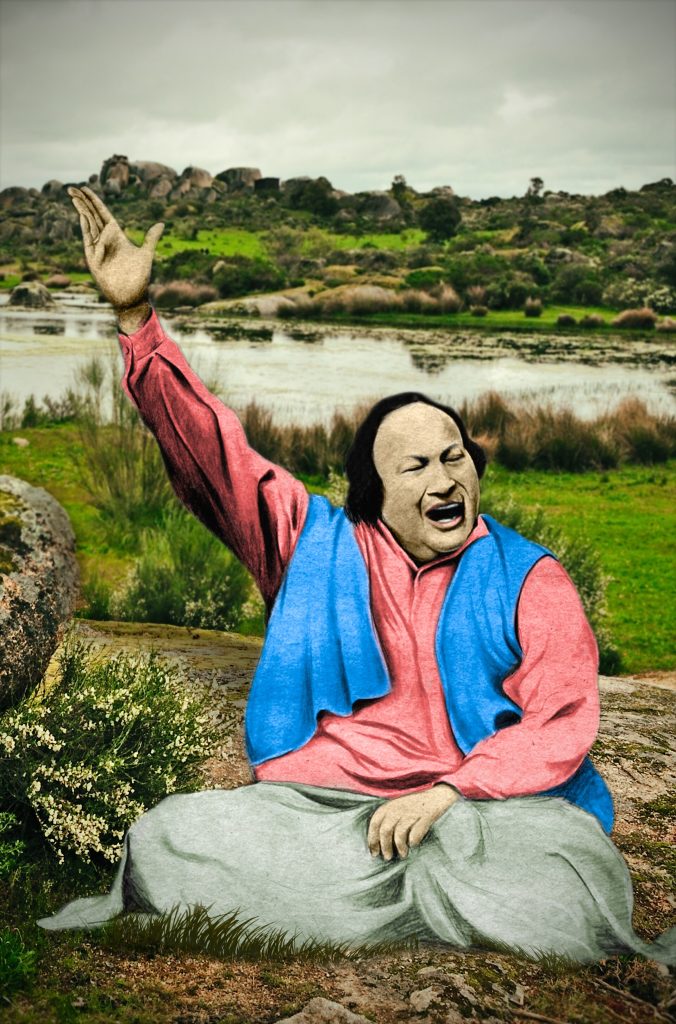
- Nusrat Fateh Ali Khan.jpg, Attersaab, CC BY-SA 4.0, via Wikimedia Commons
