
SMS says you are not eligible
Check that your CNIC and family details are correct with NADRA. Ask the helpline whether another provincial scheme applies to you.

Life in Pakistan
A plain guide to Pakistan's government health insurance card: checking eligibility, cover and hospitals.
The Sehat Card (also called Sehat Sahulat Programme or Sehat Insaf Card) is a government-funded health insurance scheme that pays for hospital treatment at empanelled hospitals. In Khyber Pakhtunkhwa it is branded Sehat Card Plus. There is no separate plastic card you must collect: your CNIC works as your Sehat Card.
To check whether you qualify, send your CNIC number by SMS to 8500 or call the helpline 0800-09009. Who qualifies depends on the province, and the rules have changed several times since the scheme began in 2019. In Khyber Pakhtunkhwa all residents with a valid CNIC have been covered since 2020, while other provinces have used poverty-based lists or limited rollouts. Cover in recent official accounts is up to about Rs 1 million per family per year for inpatient care, but this limit has been revised over time.
This page explains who is eligible, how to check, what is covered, how to use the card at a hospital and how to avoid scams. Because rules change with provincial budgets, always confirm the current position with the official helpline before you rely on cover.
The scheme began as the federal Sehat Sahulat Programme. A press release from the Press Information Department in July 2019 described it as health insurance for about 15 million poor families, covering inpatient care only, with a limit of Rs 720,000 per year at that time, and portability so that beneficiaries could use any empanelled hospital in Pakistan. The same release gave the complaint number 0800-09009 and the SMS check service 8500.
In Khyber Pakhtunkhwa the scheme was extended to every resident. Gulf News reported in August 2020 that the Sehat Insaf Card covered all residents of the province, about 40 million people in 35 districts, with up to Rs 1 million per family per year, and that the province had signed an agreement with State Life Insurance Corporation to run the programme. The KP programme is now known as Sehat Card Plus. In January 2022 the federal government launched a wider card, which Gulf News reported would cover Rs 1 million per family annually at private and government hospitals, with 682 hospitals listed at launch.
The card is a form of insurance run by an insurance company on behalf of government. It is not a cash benefit, and it does not cover everyday outpatient visits. For the wider picture of public and private care, see our guide to healthcare in Pakistan and our overview of government schemes.
<p>These entries come from the sources listed at the end and reflect their dates. Programme rules change, so use them as a starting point and confirm by SMS or helpline.</p>
| Region | Reported position | Source and date |
|---|---|---|
| Khyber Pakhtunkhwa | Universal cover for residents with a valid CNIC, run with State Life; up to about Rs 1 million per family per year | Gulf News 2020; KP government and legal information pages |
| Punjab | A legal information site reports that universal cover launched in 2021 and was scaled back in the 2024 budget to families identified through poverty databases, with eligibility varying by district | Third-party summary, 2026 edition; verify |
| Islamabad, AJK, Gilgit-Baltistan, Balochistan | Announced for residents in January 2022, with Rs 1 million per family | Gulf News, January 2022; verify current status |
| Sindh | Sindh did not join the 2022 programme except for Tharparkar; a Sindh version targets poor families | Gulf News 2022; third-party summary |
Eligibility depends on where you live, not only on your income. As reported, there are three broad patterns:
Eligibility is tied to your CNIC and family record held by NADRA, which the KP programme says it uses to identify beneficiary families. If your family details are incorrect or missing, start by fixing your records. Our guide to the CNIC explains how to correct them. Overseas Pakistanis with a NICOP should ask the helpline whether it works for the scheme, since this guide could not confirm it.
The card depends on a valid CNIC record, so if yours is lost or damaged follow the steps in our lost or damaged CNIC guide before you apply.
The Khyber Pakhtunkhwa programme page of MTI Mardan Medical Complex describes cover as free treatment "without out-of-pocket payment up to a maximum limit of Rs. 1.0 million per family per year". The same page lists secondary and tertiary care, including diabetes, kidney disease with dialysis and transplant, hepatitis B and C, all types of cancer, and heart and vascular disease. Once admitted, patients receive diagnostics, medicines and surgical procedures free of charge.
The scope has been described differently over time. The 2019 federal scheme was inpatient only, with listed treatments including heart procedures, dialysis, burns and accidents, cancer care, neurosurgery, maternity care and emergencies. A 2026 legal information summary reports the following exclusions, which are consistent with an inpatient-focused scheme:
The same summary notes that specialist care such as cardiac, cancer and transplant follows approval pathways managed by the hospital's Sehat Sahulat desk. Because the scope and limits differ by province and have been revised, ask the hospital desk or helpline to confirm that your planned treatment is covered before admission.
The process is meant to be cashless at an empanelled hospital. As reported by the sources:
In an emergency, go to the nearest hospital first and sort out paperwork afterwards. Our list of emergency numbers may help. Do not delay urgent care to check your eligibility.
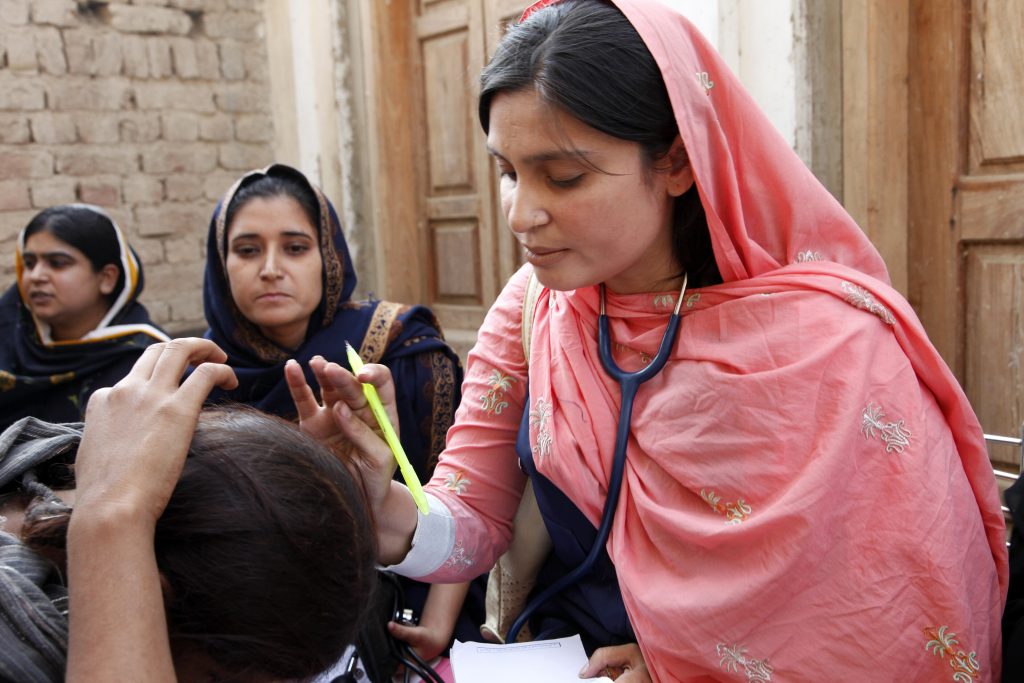
Only hospitals on the programme panel can treat you under the card. The number has changed over time: 285 empanelled hospitals were reported in July 2019, and 682 in January 2022. A legal information site names examples in Khyber Pakhtunkhwa such as Lady Reading Hospital in Peshawar, Khyber Teaching Hospital, Hayatabad Medical Complex and the Saidu group of hospitals in Swat, and examples in Punjab such as Doctors Hospital, Iqra Medical Complex and Ittefaq Hospital. Treat these as illustrations only, since panels change.
To find a current list, use the programme's provincial website, call 0800-09009, or ask the hospital's Sehat Sahulat desk. Ask whether the specific department and procedure you need is covered there, because a hospital may be on the panel for some services and not others.
Panel hospitals are a small part of the picture. For private and teaching hospitals outside the scheme, read our guide to the best hospitals in Pakistan, and for a seasonal illness that often needs inpatient care see dengue symptoms and prevention.
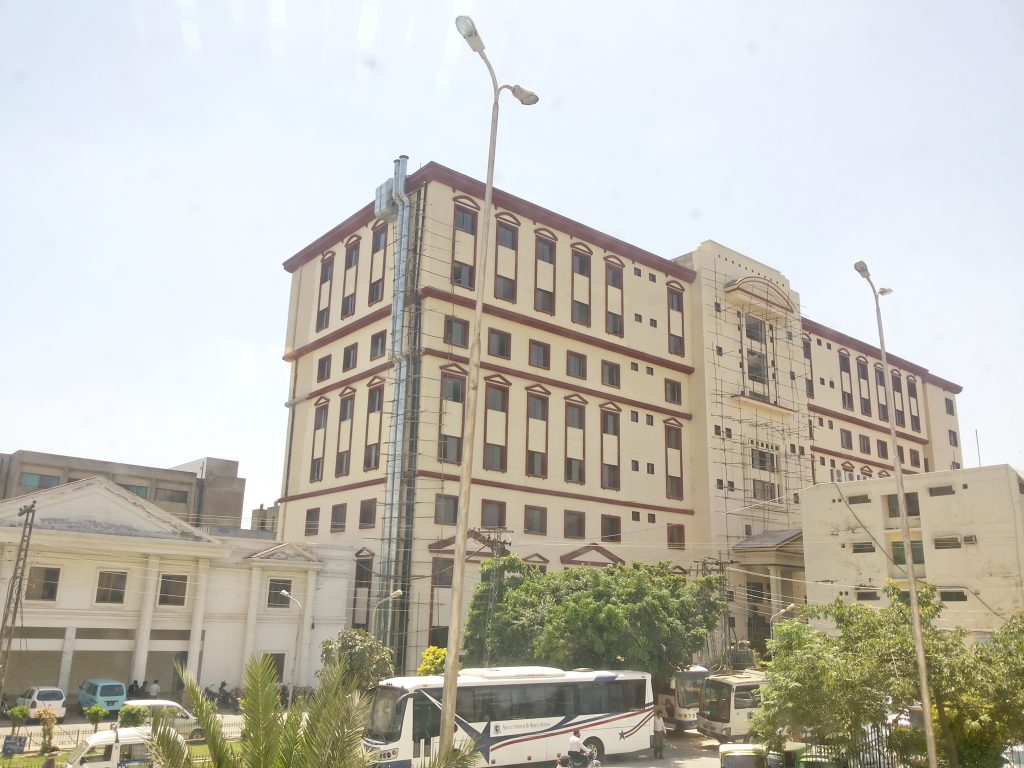
A legal information summary states that the card is free and that you should not pay anyone posing as a "Sehat Sahulat agent". It also says cash demands at empanelled hospitals for covered services go against programme rules and can be reported to State Life and the provincial health department. Never share your CNIC photo, SMS codes or banking details with a caller who claims to arrange a card.
For Punjab, the same summary notes that families no longer eligible after the 2024 change may pay reduced fees at empanelled facilities, so care is not always cashless for them. Ask for a written estimate and the programme's position before treatment.
<p>These situations are frequently reported. For each, the first step is the helpline on 0800-09009.</p>
Check that your CNIC and family details are correct with NADRA. Ask the helpline whether another provincial scheme applies to you.
Ask the Sehat Sahulat desk to explain in writing. If it is a covered service at a panel hospital, complain to State Life through 0800-09009 and to your provincial health department.
Ask which item is not covered. If the hospital cannot explain, report it. Keep receipts.
A third-party review of the federal scheme, summarised on Wikipedia, found 33 percent of patients still paid some costs out of pocket, so ask in advance which items are excluded.
The 2019 programme described portability across provinces and districts, but confirm that your plan allows it.
We could not open the federal programme portal during research, so figures on this page come from government press accounts, news reports and a third-party summary. Check the helpline for the current limit and eligibility in your province before you plan treatment.
Checked October 2026. Programme rules and provincial coverage change often, so confirm with the helpline or the official portal before you travel to a hospital. For bills and everyday paperwork, see our healthcare in Pakistan overview.
Send your CNIC number by SMS to 8500 or call the toll-free helpline 0800-09009. Provincial programme websites also offer an online check.
Government accounts say your CNIC serves as the card, so no separate registration is required. Take your original CNIC to the hospital.
Government accounts report up to about Rs 1 million per family per year for inpatient care at empanelled hospitals. The limit has been revised over time, so confirm the current amount.
A 2026 legal summary reports that outpatient visits, routine dental care, cosmetic surgery and fertility treatment are excluded. Confirm with the helpline.
Punjab and Sindh have used targeted, poverty-based versions, and Punjab is reported to have narrowed cover in 2024. Check by SMS because rules differ by province.
Call 0800-09009, the toll-free number given in government accounts for complaints and queries, including denied treatment.
No. The card is free, and a legal summary warns against paying anyone posing as a Sehat Sahulat agent.
Eligibility is linked to your CNIC and family record. We could not confirm NICOP rules, so ask the helpline before relying on cover.
Rules and fees change, confirm with the official links below before you act.
From majestic mountains to vibrant cities, rich cuisine to timeless traditions — discover the real Pakistan with DailyLife.pk.
