
Ingredients & Spices · The complete guide
Yeast
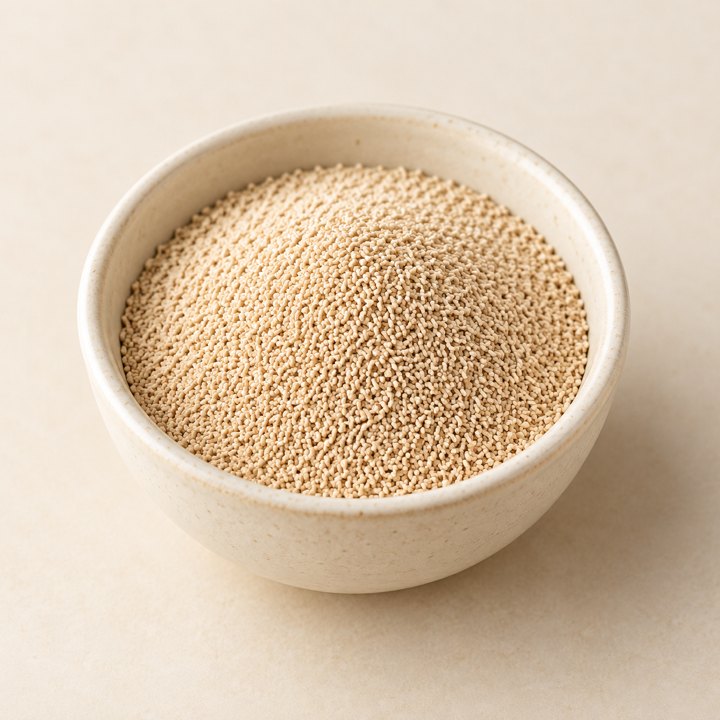
Baker’s yeast is a living microorganism, usually Saccharomyces cerevisiae, used to ferment dough and produce gas.
What it is and local names
Baker’s yeast is a living microorganism, usually Saccharomyces cerevisiae, used to ferment dough and produce gas. In Pakistan khameer can describe yeast or a fermented dough starter, so specify instant dried yeast when that is what a recipe needs.
Origins and documented history
Fermented breads predate written records, while the scientific understanding and industrial cultivation of yeast came much later. A named ancient baker cannot be securely identified as the discoverer. Commercial dried yeast is a standardized modern form of an older fermentation practice.
Reference: Lesaffre: What has to be known about yeast?.
Types and manufacture
Yeast is cultivated in a nutrient medium, separated and sold fresh, active dry or instant dried. Instant yeast is generally designed for direct mixing, while active-dry products may give different instructions. Nutritional yeast and brewing yeast are not automatic substitutes for bread yeast.
Reference: Lesaffre: Yeast life cycle and industrial production.
Production, trade and Pakistan
Industrial yeast is made in numerous countries and traded in packets and bulk. Pakistani bakeries and homes buy domestic-market brands and imports. A packet’s manufacturing source and storage history matter more than an unsupported claim about which country produces the best yeast.
How to use it
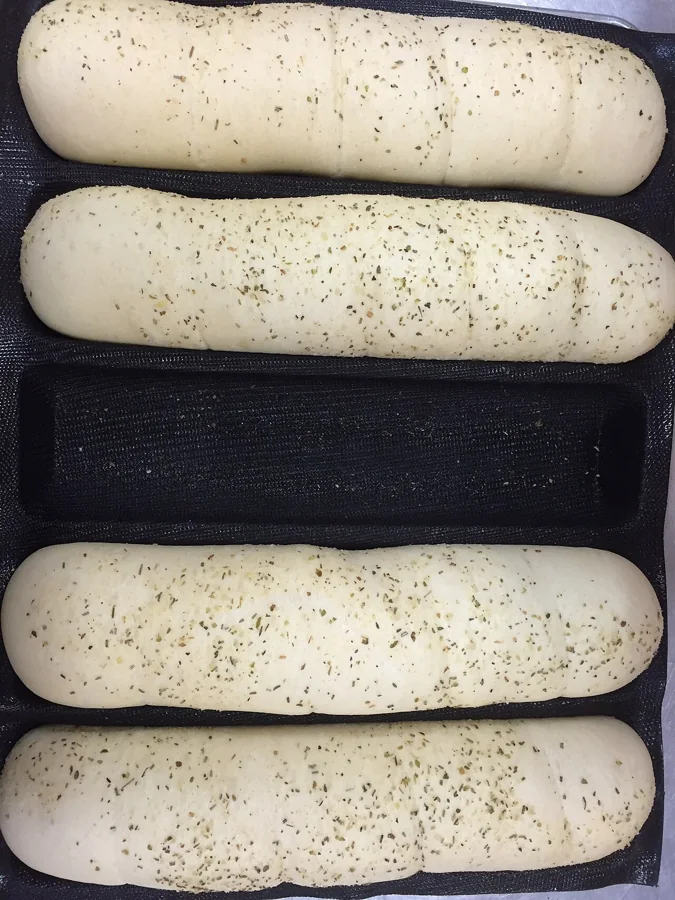
Use in plain naan dough and the particular fermented jalebi method specified. Give dough time and a suitable temperature, watching expansion rather than only the clock. Excess heat can kill yeast; cold conditions slow it. High sugar or salt concentrations change fermentation behaviour.
Nutrition, benefits and limits
Its culinary role is leavening and flavour development. The amount in a portion of baked bread is small, and baking kills the living cells. Claims made for fortified nutritional yeast do not transfer automatically to ordinary baker’s yeast.
Drawbacks, allergens and precautions
Check added carriers and dietary certification where needed. Do not taste raw dough because flour and other ingredients can carry hazards. A swollen or damp packet and repeated warm storage can make activity unreliable.
Substitutions and storage
Fresh and dry yeasts can be interchanged using a suitable conversion and adjusted method. Sourdough starter changes acidity, water, flour and time. Baking powder can raise some flatbreads but does not reproduce yeast fermentation or the same dough character.
Keep unopened as labelled and protect opened dried yeast from moisture and heat, often refrigerated or frozen in a sealed container. Use a clean dry spoon. Test questionable yeast by the manufacturer’s method before committing a large batch.
Measuring for reliable results
Measure a chemical or biological raising ingredient carefully because a small quantity controls a large change in structure. A heaped spoon can give excessive gas, an unpleasant flavour or a dough that rises before its structure can support it. Stir dry ingredients thoroughly when a recipe calls for an even distribution. Keep the packet away from steam while measuring. A warm, damp kitchen can damage an open raising ingredient even before the printed date, so the condition of the pack and the result of an appropriate activity test both matter.
Reading the recipe as a system
Flour quantity, acidity, liquid, mixing and temperature all affect the result of a raising ingredient. A cake batter needs to trap gas until heat sets its structure; bread dough needs enough time and elasticity to expand. Changing the raising agent while leaving every other ingredient untouched can produce a different crumb. When adapting a recipe, make a small trial and note the weight used, resting time and oven conditions. More raising ingredient does not fix a batter that is too thin or a dough that has been poorly developed.
Storage and sensible expectations
Use a clean dry spoon and close the container immediately. Keep small quantities in active use and leave the reserve tightly sealed under the conditions on its label. Raising agents are functional ingredients used in small amounts, not a practical source of vitamins or minerals. Products meant for cleaning, laboratory work or supplements should not be assumed suitable for cooking merely because a familiar chemical or microorganism appears in the name. Buy food-grade stock, read added ingredients and check certification if the formulation matters to your diet.
Diagnosing a disappointing batch
A dense result does not prove that a raising ingredient was inactive. Check the oven temperature, liquid measurement, mixing and the time between mixing and cooking. If the ingredient is old, perform the test appropriate to it: a chemical powder and a living yeast require different checks. Keep notes on the packet used and the conditions. Avoid adding more to an already mixed batch without a recipe-specific reason, since that can create an uneven concentration and a bitter taste. Starting a small fresh batch often gives a clearer answer than repeatedly altering a failed mixture.
Recipes and the Pakistani pantry
Use this ingredient in Plain Naan, Jalebi. Explore related ingredients in the Pakistani ingredients and spices pantry.
Names and forms used in our recipes
View the recipe names covered by this guide
- instant dried yeast
- instant yeast
Frequently Asked Questions
What should I check when buying yeast?
Choose baker’s yeast in the form required: instant, active dry or fresh. Nutritional yeast is not a direct bread-raising substitute.
What can replace yeast in a recipe?
Fresh and dry yeasts can be interchanged using a suitable conversion and adjusted method. Sourdough starter changes acidity, water, flour and time.
How should yeast be stored?
Keep unopened as labelled and protect opened dried yeast from moisture and heat, often refrigerated or frozen in a sealed container. Use a clean dry spoon.
Keep Exploring
Related places and stories on DailyLife.pk

How we know this
- Type Explainer
- Sources 6 (2 official/academic)
- Reviewed November 2026
- Disputed points None
6 sources
Photo credits (1)
- Bread Dough.jpg, Krish Dulal, CC BY-SA 4.0, via Wikimedia Commons
