
Ingredients & Spices · The complete guide
Vanilla extract
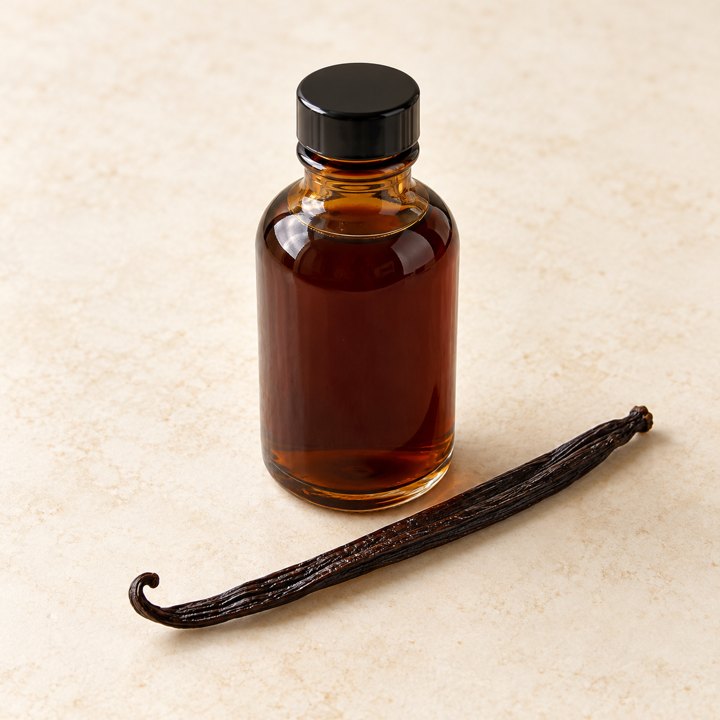
Vanilla extract is a liquid flavouring made from cured vanilla pods, while many alcohol-free products are labelled vanilla flavouring or essence. Pakistani baking shops sell both genuine extract and imitation vanilla.
What it is and local names
Vanilla extract is a liquid flavouring made from cured vanilla pods, while many alcohol-free products are labelled vanilla flavouring or essence. Pakistani baking shops sell both genuine extract and imitation vanilla. The names are not interchangeable evidence of botanical content or solvent.
Origins and documented history
Kew documents the use of vanilla by Indigenous peoples in Mexico and its later use in Aztec cacao drinks. Commercial extracts came later. Vanilla’s long history should not be reduced to the person who developed a particular hand-pollination method or manufactured an imitation flavour.
Reference: Royal Botanic Gardens, Kew: Vanilla.
Types and manufacture
Cured pods are extracted in a suitable solvent, traditionally a water-alcohol mixture. Alcohol-free flavourings can use other carriers, and vanillin may be naturally sourced or manufactured. Strength varies by product; a dark colour alone does not establish genuine extract or quality.
Production, trade and Pakistan
Madagascar, Indonesia, Uganda and other tropical countries grow commercial vanilla. Extract manufacture can occur elsewhere. Pakistan generally buys imported flavour ingredients and locally packed products; the bottler’s address is distinct from the origin of the pods.
Reference: CBI: European market potential for vanilla extract.
How to use it
Use small measured quantities in ice cream, milkshakes and desserts such as umm ali. Add near the end where appropriate to retain aroma. A clear imitation can preserve a pale colour but may give a simpler flavour than a pod extract.
Nutrition, benefits and limits
At normal doses it supplies flavour with negligible nutritional contribution. The main value is sensory, and a vanilla flavour does not make a sugary dessert nutritionally equivalent to a plain dairy food. Claims about medicinal effects are inappropriate for a few culinary drops.
Drawbacks, allergens and precautions
Check solvent and certification for halal needs. Alcohol-free flavouring is not necessarily identical to legally defined vanilla extract. Read carriers and allergen statements. Concentrated essence should be measured rather than poured freely.
Substitutions and storage
Vanilla bean paste or scraped pod seeds can replace extract with adjusted strength and allowance for added sugar. Imitation vanilla gives a different aromatic profile. Vanilla powder needs its own label-based conversion.
Keep tightly closed away from light and heat. Follow the actual formulation’s directions after opening. Avoid confusing an edible bottle with a fragrance product, and keep the label intact.
Buying an edible flavouring
Choose a product explicitly labelled for food use. Cosmetic waters, incense oils, massage oils and perfume concentrates are not substitutes for edible flavourings, even when their botanical name sounds familiar. Read whether the bottle contains a distilled water, an extract, an essence or a compound flavouring. Their strengths can differ substantially. For halal requirements, check the actual product and its certification rather than assuming that a familiar traditional name describes the solvent or every ingredient in a modern bottle.
Adding aroma with control
A floral or woody aroma can become overpowering before it contributes much liquid. Measure a little into a spoon instead of pouring directly from a large bottle over the pan. Add near the end when the recipe allows, because prolonged boiling drives off volatile aromas. Cool a small sample and smell it before increasing the amount: the scent of a steaming pot is not identical to the flavour of the finished cold dessert. Pair one leading aroma with a restrained amount of another rather than making several strong essences compete.
Nutrition and substitutions in practice
At normal flavouring quantities, the contribution to protein, fibre, vitamins or minerals is negligible. The useful benefit is sensory: a few drops can give a milk dessert or syrup its recognizable character. Traditional medicinal associations should not be read as evidence that a dessert-sized dose treats an illness. If the flavouring is unavailable, leaving it out can give a cleaner result than replacing it with an unrelated perfume. Compare concentrations before substituting; equal spoonfuls of an essence and a distilled water can produce completely different strengths.
Storage that protects aroma
Keep the bottle tightly closed and away from heat and direct sunlight. Use the storage directions for that formulation: a distilled water and a concentrated flavouring may have different requirements after opening. A clean cap matters because sugar syrup or milk on the rim can introduce spoilage into an otherwise plain flavouring. Avoid decanting into an unlabelled bottle, especially where edible and cosmetic products are stored in the same home. Record the opening date and discard a product that develops unexpected cloudiness, growth or an altered smell rather than masking it with stronger spices.
Recipes and the Pakistani pantry
Use this ingredient in Peshawari Ice Cream, Banana Milkshake, Umm Ali. Explore related ingredients in the Pakistani ingredients and spices pantry.
Names and forms used in our recipes
View the recipe names covered by this guide
- alcohol-free vanilla flavoring
- vanilla
- vanilla extract
Frequently Asked Questions
What should I check when buying vanilla extract?
Check genuine extract versus flavouring, concentration and solvent. For halal requirements, verify the exact formulation and certification.
What can replace vanilla extract in a recipe?
Vanilla bean paste or scraped pod seeds can replace extract with adjusted strength and allowance for added sugar. Imitation vanilla gives a different aromatic profile.
How should vanilla extract be stored?
Keep tightly closed away from light and heat. Follow the actual formulation’s directions after opening.
Keep Exploring
Related places and stories on DailyLife.pk

How we know this
- Type Explainer
- Sources 5 (3 official/academic)
- Reviewed November 2026
- Disputed points None
