
Ingredients & Spices · The complete guide
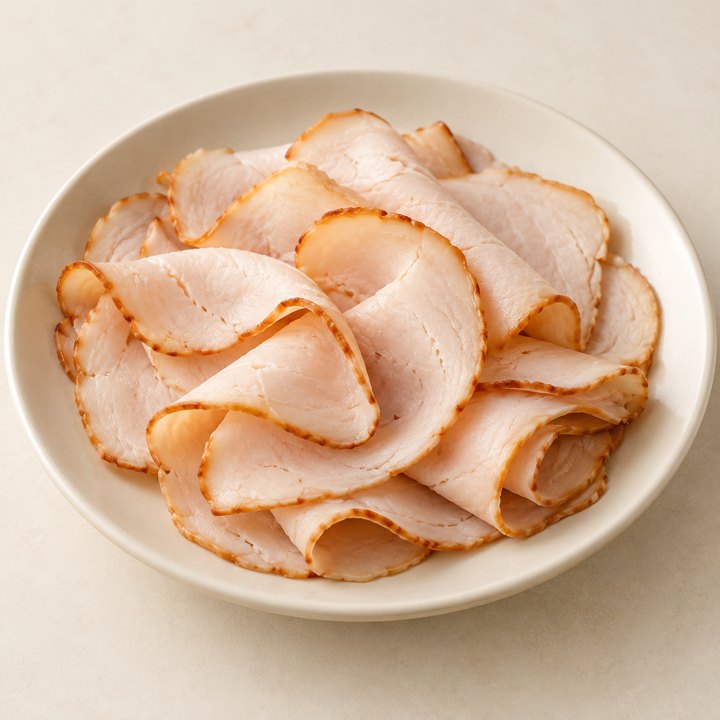
Turkey slices
Turkey slices here means halal, fully cooked or smoked turkey used in sandwiches and pizza. Raw turkey breast sliced into strips is a different ingredient with different handling requirements.
What it is and what to ask for
Turkey slices here means halal, fully cooked or smoked turkey used in sandwiches and pizza. Raw turkey breast sliced into strips is a different ingredient with different handling requirements.
Verify fully cooked status, halal certification, meat content and added ingredients. Deli-style turkey may include brine, starch, sugar and allergens, and is not nutritionally identical to a plain roasted breast.
History, production and the Pakistan context
Domestic turkeys originated from American wild turkey lineages; commercial deli slicing and smoking are later processing forms. A smoked flavour does not itself establish a full cooking step.
The United States, Brazil and European countries produce turkey meat, while specialist halal manufacturers operate in many markets. Pakistani buyers should check certification and whether the pack is locally made or imported.
How to use it successfully
Use according to the pack's ready-to-eat or heating instructions. For pizza, cut manageable pieces and avoid drying thin slices at the edges; for a sandwich, use clean utensils and keep the filling cold until serving.
Ready-to-eat turkey can be contaminated after cooking during slicing or handling. Use a clean board and keep slices separate from raw chicken preparation. For people following higher-risk food guidance, reheating addresses a different concern from whether the manufacturer originally cooked the turkey; the household handling stage still matters.
Nutrition, benefits and limits
Turkey provides protein, but processed slices can contain substantial sodium. Pregnant people, older adults and those with weakened immunity should follow official advice about reheating deli meats to reduce Listeria risk.
Choosing a replacement
Cooked halal chicken slices make a practical filling. Raw chicken or turkey requires a separate complete cooking step before it can replace ready-to-eat meat.
When changing the cut, compare tenderness, fat, bone content and whether the meat will be chopped or kept whole. Preserve the recipe’s cooking logic rather than only its ingredient weight. A replacement can be successful without tasting identical, but its own safe cooking guidance must still be followed.
Safe handling and storage
Keep the original pack or a photograph of its cooking and storage directions. Ready-to-eat, fully cooked, smoked, cured and raw are different descriptions and cannot safely be inferred from colour. If a pack requires cooking, use the specified method and an appropriate thermometer rather than treating a brief warming step as sufficient.
After opening, follow the producer’s refrigerated-use limit and note the date. Use clean tongs or a clean knife rather than hands that have handled raw meat. Separate the product from raw poultry and meat preparation. Freezing may preserve quality for a later meal but will not make an improperly stored ready-to-eat food safe again.
People at increased risk of Listeria illness should follow current official advice for deli meats and hot dogs, including reheating as appropriate until steaming hot or to 74°C/165°F. Read the full label for ingredients beyond the named meat, particularly dairy, soy, wheat and flavourings. Compare sodium per comparable serving rather than assuming all turkey, chicken or halal processed meats are nutritionally alike.
Planning, portions and serving
For a sandwich, pat watery vegetables dry and layer them so they do not soak the bread before serving. Use a modest amount of salty cheese or sauce if the turkey already has substantial sodium. Ready-to-eat slices are convenient, but the assembled meal still needs appropriate chilled transport. If making a hot sub for someone following higher-risk food guidance, plan the reheating stage deliberately rather than relying on a brief toast of the bread alone.
Recipes and pantry links
Use turkey slices according to the form specified in the linked recipe: raw versus cooked, bone-in versus boneless, sweetened versus plain, and the stated cut or processing style all affect the result. The ingredient discussion above explains which differences matter most here. Read the complete recipe before shopping, then measure the prepared usable quantity rather than assuming every package has the same yield.
For related ingredient names, local terminology and flavour pairings, browse the Pakistani ingredients and spices pantry guide.
Names and forms used in our recipes
View the recipe names covered by this guide
- halal fully cooked turkey slices
- halal smoked turkey slices
Frequently Asked Questions
Is fully cooked turkey automatically low in salt?
No. Deli-style slices can contain brine and other added ingredients. Compare sodium and meat content on the actual label rather than using the lean reputation of plain turkey breast.
What should I check before buying turkey slices for these recipes?
Verify fully cooked status, halal certification, meat content and added ingredients. Deli-style turkey may include brine, starch, sugar and allergens, and is not nutritionally identical to a plain roasted breast. Keep the recipe’s cut and prepared weight in mind, because changing them affects cooking and serving yield.
What is a practical substitute for turkey slices?
Cooked halal chicken slices make a practical filling. Raw chicken or turkey requires a separate complete cooking step before it can replace ready-to-eat meat. Make a small test where binding, melting or a delicate final texture is central, and adjust the recipe rather than treating different ingredients as identical.
Keep Exploring
Related places and stories on DailyLife.pk

How we know this
- Type Explainer
- Sources 7 (5 official/academic)
- Reviewed November 2026
- Disputed points None
