
Ingredients & Spices · The complete guide
Tofu
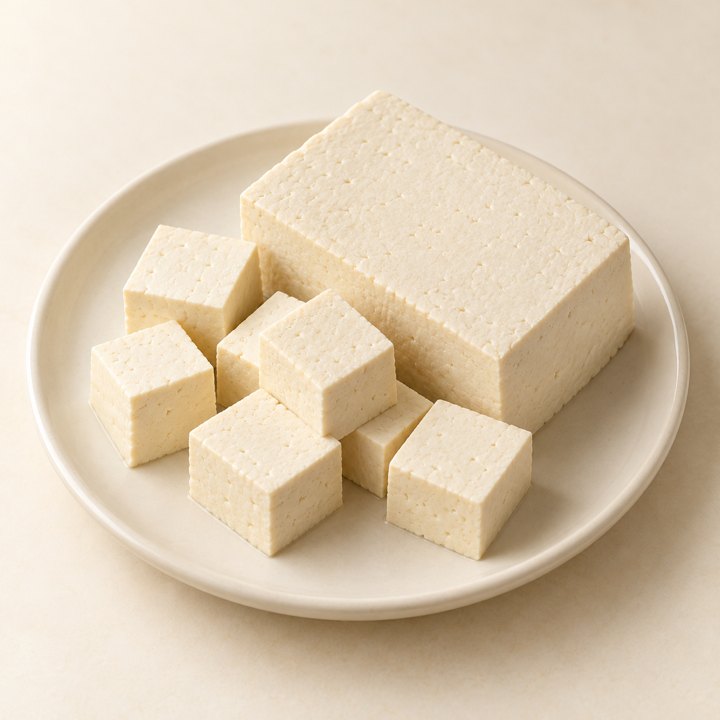
Tofu is soybean curd made by coagulating soy milk and collecting or pressing the curds. It is a processed soy food, not a paneer made from animal milk.
What it is and what to buy
Tofu is soybean curd made by coagulating soy milk and collecting or pressing the curds. It is a processed soy food, not a paneer made from animal milk. The firm tofu specified for vegetable chow mein holds its shape better than silken tofu. Soft, firm and extra-firm products differ in water content and structure, while fried tofu, smoked tofu and seasoned blocks bring additional flavour and salt. Plain tofu’s mildness makes seasoning and surface drying central to cooking.
Soybean is Glycine max, an oil-rich legume rather than a cereal. In tofu manufacture, soy milk is heated and coagulated using agents such as calcium salts, magnesium salts or other suitable coagulants. Pressing expels water and helps determine firmness. This process explains why two white blocks can differ in protein concentration, calcium and pan behaviour. Tofu is not fermented by definition, although some distinct fermented tofu products exist and are used as strongly flavoured condiments.
Origins and food history
Tofu developed within Chinese food culture and spread through East and Southeast Asia before becoming a global ingredient. Soybean domestication is associated with China and neighbouring East Asian agricultural history, but precise early events remain a subject of scholarship. Popular stories attributing tofu to one prince or an accidental experiment should be treated as legends rather than established discovery evidence. A modern brand or processing patent does not mark the first human use of soybean curd.
Reference: USDA ARS: soy and tofu manufacture.
Growing regions, trade and Pakistan
Brazil, the United States, Argentina and China are established soybean-producing countries, but most bulk soybean trade serves oil and feed markets rather than retail tofu. China, Japan, Korea and many other countries manufacture tofu, often using selected food-grade beans. Pakistan imports soy commodities and has a smaller specialty market for tofu, which may be locally made or imported. The country that manufactured a block is not necessarily the soybean’s growing origin. Refrigeration, firmness and ingredients are the useful consumer checks.
Reference: USDA: soybean production and markets.
How to prepare and cook it
Drain firm tofu and press gently if the recipe needs a drier stir-fry ingredient. Cut into even pieces, blot the surface and brown in manageable batches before combining with wet vegetables or noodles. Excess surface water makes the pan steam and increases sticking. Add sauce at the right stage so the browned surface does not immediately become soggy. Silken tofu is too fragile for the same tossing method. If a product is sold as ready to eat, it can be used according to the label, but cold-chain and hygiene requirements still apply.
Put this form of the ingredient to work in Vegetable Chow Mein. The method in each recipe determines whether it should be raw, soaked, ground, freshly cooked or chilled before it enters the dish.
Nutrition, benefits and their limits
Tofu contributes plant protein and fat, with carbohydrate and energy varying by firmness and formulation. Calcium-set tofu can supply useful calcium, but products set with other coagulants may have much less. A water-rich silken tofu and a dense extra-firm block are not nutritionally equivalent per equal volume. Plain tofu can replace part of a meat serving in a balanced meal; it should not be promoted as a cure or avoided on the basis of exaggerated general claims about soy. Fried and heavily seasoned versions add oil and salt.
Allergies, disadvantages and safe handling
Soy is a major food allergen, and making soybeans into curd does not remove that concern. Plain tofu is naturally free of wheat gluten, but marinades, sauces and shared processing can introduce wheat. It is a perishable, moist food unless specifically shelf-stable in its unopened pack. Keep it at the labelled temperature and discard leaking, swollen or spoiled packs. People taking medicines with food-timing instructions should follow their own prescribed guidance rather than treating an ingredient article as a medication schedule.
Practical substitutions
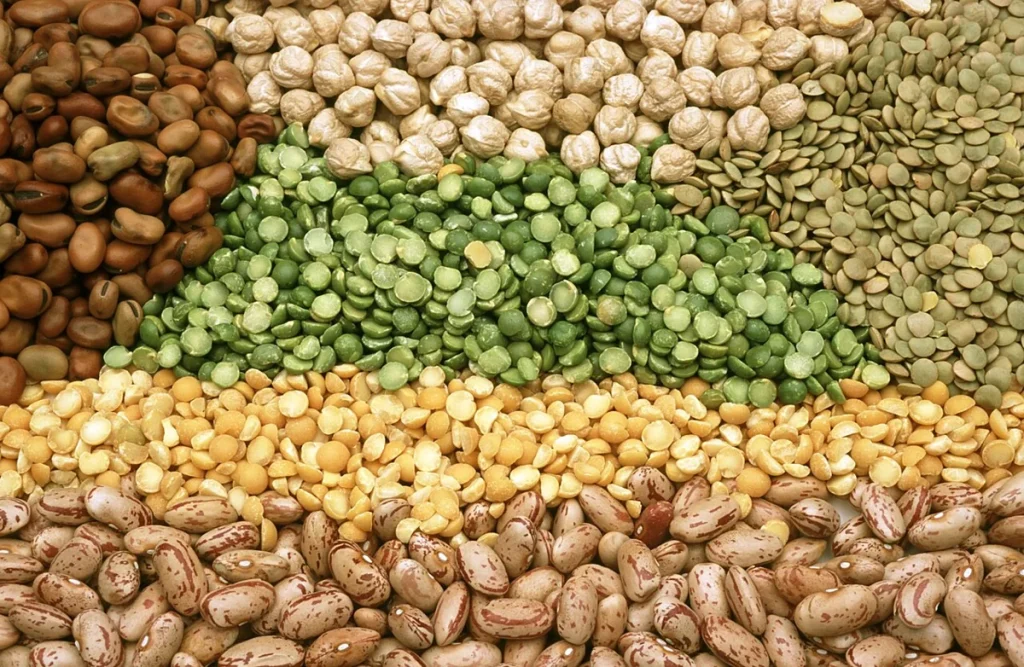
Paneer is a practical shape-holding alternative for a vegetarian stir-fry but contains dairy and has a different flavour and nutrient profile. Tempeh has a firmer, fermented whole-soy structure. Cooked chickpeas provide a different bite. Silken tofu should be used only when a recipe is adapted for its delicate texture.
Keeping it fresh
Keep chilled tofu refrigerated and follow the use-by date and opening instructions. An unopened aseptic shelf-stable pack has different storage requirements from a refrigerated tub; refrigerate after opening as directed. Use clean utensils and do not repeatedly warm and rechill the whole block. Freeze only if the changed, more porous texture suits the intended dish. Refrigerate cooked tofu promptly with the rest of the meal and reheat thoroughly. A sour spoilage smell, slime or uncertain cold chain is a reason to discard it.
For related ingredients and shopping terms, see the Pakistani ingredients and spices pantry guide.
Names and forms used in our recipes
View the recipe names covered by this guide
- firm tofu
Frequently Asked Questions
Is tofu dairy-free?
Plain tofu is made from soy rather than milk, but check flavoured products and sauces for added dairy.
Does every tofu supply the same calcium?
No. Calcium depends strongly on the coagulant and product formulation. Read the nutrition label rather than assuming all tofu is calcium-rich.
Keep Exploring
Related places and stories on DailyLife.pk

How we know this
- Type Explainer
- Sources 6 (5 official/academic)
- Reviewed November 2026
- Disputed points None
6 sources
Photo credits (1)
- CSIRO ScienceImage 3224 Pulses and legumes.jpg, division, CSIRO, CC BY 3.0, via Wikimedia Commons
