
Ingredients & Spices · The complete guide
Tikka spice
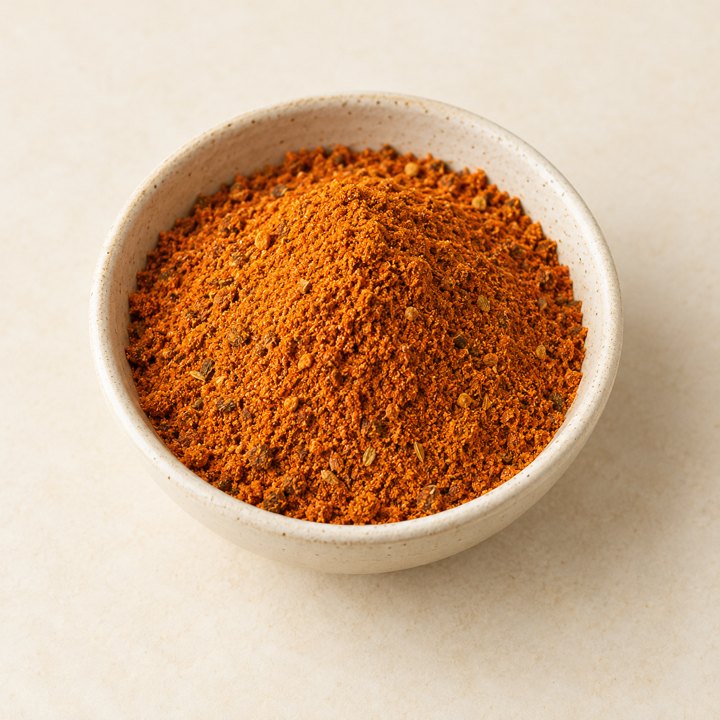
Tikka spice is a dry blend for seasoned grilled or roasted pieces of meat, paneer or vegetables. Chilli, cumin, coriander, turmeric and warm aromatics are common, but a packet can also include salt, acid or colouring.
What it is and names to know
Tikka spice is a dry blend for seasoned grilled or roasted pieces of meat, paneer or vegetables. Chilli, cumin, coriander, turmeric and warm aromatics are common, but a packet can also include salt, acid or colouring.
Origins, producing regions and Pakistan context
Tikka cooking belongs to South Asian meat and tandoor traditions. Modern branded blends simplify those techniques; there is no universal historical formula or sole inventor of tikka spice.
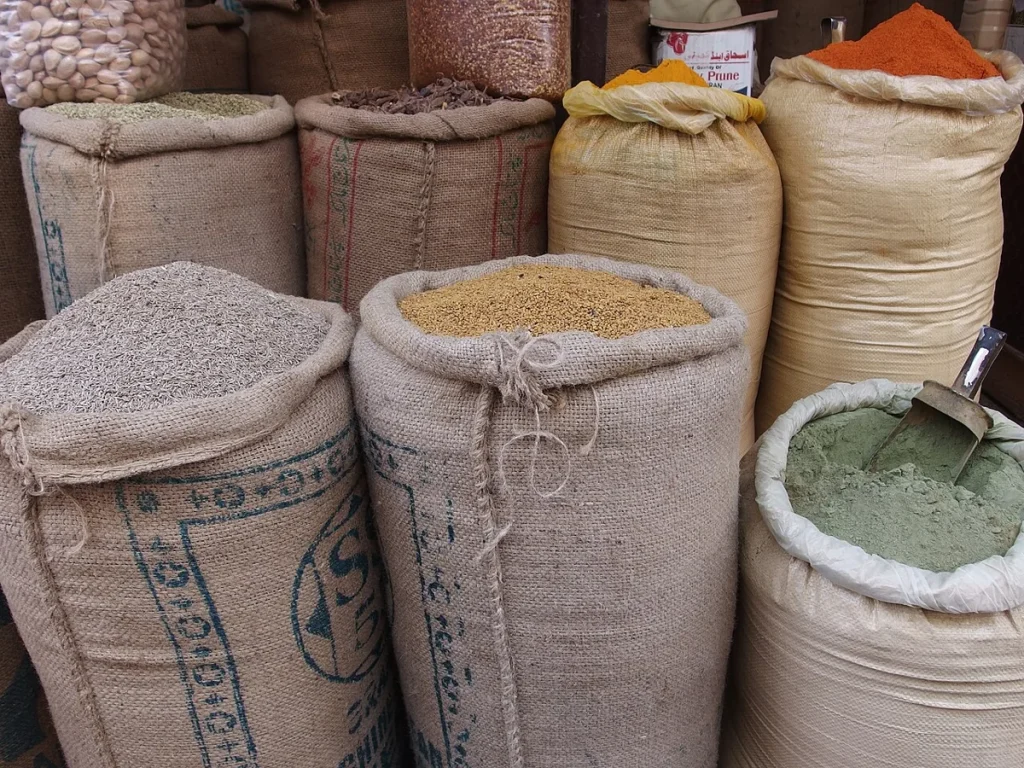
Pakistan and India manufacture many tikka masalas, often using spices from several origins. The finished blends country of manufacture does not establish the source of each ingredient. The finished blend can be exported separately from its raw ingredients and imported for retail sale. A Pakistan-made pack and an imported finished masala can therefore have similar recipes but different supply chains.
Background: Spices Board: crop and ingredient reference.
Types and buying advice
Check whether salt, acid, colour or other marinade ingredients are included. A ready-made wet marinade differs from dry tikka spice.
How to cook with it
Mix into yoghurt, lemon and oil as the recipe directs for boti, chicken tikka or tikka biryani. Let the cooked meat, rice and any extra gravy determine the final spice balance.
Read whether the product expects extra salt and lemon. Marinate meat under refrigeration and keep a clean unused portion of any sauce intended for serving.
A spice blend colours a marinade before the meat is cooked, so surface redness is not a doneness test. Follow the recipes safe cooking method and keep raw-meat utensils separate from serving tools. For tikka biryani, consider the seasoning already in the meat before seasoning the rice gravy. Layering several full packet doses can create a dish that is excessively salty and sharp even when each packet would work well in a separate recipe.
Try the ingredient in Tikka Biryani. Follow each recipes specified form and quantity, since whole pieces and fine powder season food differently.
For related pantry ingredients, see the Pakistani ingredients and spices guide.
For a yoghurt-based marinade, whisk the dry blend into the yoghurt and other liquids before coating the food, which prevents dry spice pockets. If the packet already includes salt and acid, hold back some separately listed salt and lemon until the complete marinade has been assessed. Keep any serving sauce separate before it touches raw meat. A longer marination does not excuse leaving meat unrefrigerated.
Nutrition and realistic benefits
A blend takes its nutritional composition from the specific ingredients and their proportions. At normal seasoning quantities it is primarily a flavouring, not a substantial source of protein or vitamins. The most useful label details are often sodium, allergens and added ingredients rather than claims about antioxidants. If a blend improves a simple vegetable or lentil dish, that benefit comes through the completed meal. It does not cancel a large amount of salt, butter or frying oil.
Disadvantages and precautions
Commercial blends can contain allergens or added colours. A bright red tikka is not necessarily hotter or more authentic; doneness depends on cooking, not the colour of its marinade.
Dry spices are not sterile foods. FDA food-safety guidance explains practical handling. Buying from a traceable food supplier is more dependable than trying to judge safety from appearance alone.
Substitutions and storage
Combine cumin, coriander, mild chilli, a little turmeric and garam masala. Adjust lemon and salt separately, rather than using food colouring as a flavour substitute.
Close the pack promptly and store it cool, dry and away from light. A mixture is only as fresh as its most vulnerable component; ground spices lose aroma, and oily seeds can develop stale flavours. Use a dry spoon, label homemade blends with the date and ingredients, and make a small batch first. Follow any packet instruction to refrigerate after opening. Do not mix a fresh batch into a damp or dirty container, and discard mouldy or musty seasoning.
Names and forms used in our recipes
View the recipe names covered by this guide
- tikka spice blend
Frequently Asked Questions
Does a red tikka marinade show when meat is cooked?
A spice blend colours a marinade before the meat is cooked, so surface redness is not a doneness test. Follow the recipes safe cooking method and keep raw-meat utensils separate from serving tools.
What can I use instead of tikka spice?
Combine cumin, coriander, mild chilli, a little turmeric and garam masala. Adjust lemon and salt separately, rather than using food colouring as a flavour substitute.
What is the main caution with tikka spice?
Commercial blends can contain allergens or added colours. A bright red tikka is not necessarily hotter or more authentic; doneness depends on cooking, not the colour of its marinade.
Keep Exploring
Related places and stories on DailyLife.pk

How we know this
- Type Explainer
- Sources 3 (1 official/academic)
- Reviewed November 2026
- Disputed points None
3 sources
Photo credits (1)
- Spice market @ Walled City @ Lahore (15449651456).jpg, Guilhem Vellut from Annecy, France, CC BY 2.0, via Wikimedia Commons
