
Ingredients & Spices · The complete guide
Sugarcane juice
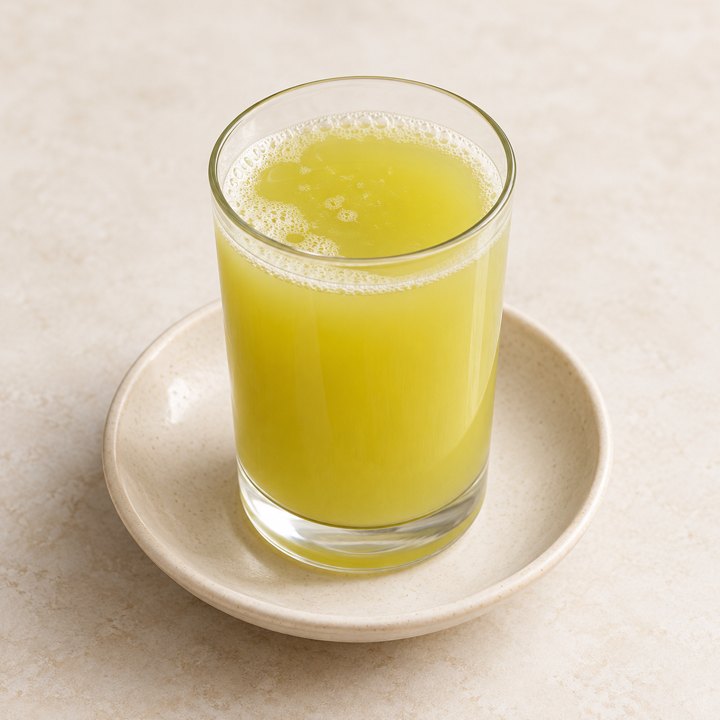
Sugarcane juice is the sweet liquid pressed from sugarcane stalks, called ganne ka ras in Pakistan. This entry specifies commercially pasteurized juice.
What it is and local names
Sugarcane juice is the sweet liquid pressed from sugarcane stalks, called ganne ka ras in Pakistan. This entry specifies commercially pasteurized juice. Fresh roadside cane juice, a concentrated cane syrup and a ready-to-drink treated carton have different safety and culinary properties.
Origins and documented history
Cane chewing and juice extraction preceded modern crystalline sugar manufacture. Botanical and historical sources place sugarcane domestication and spread across tropical Asia and the Pacific. A precise first person to press cane is not known, and modern packaged juice is a much later processing format.
Reference: USDA ARS: History of sugar and sweeteners.
Types and manufacture
Clean cane is crushed in rollers and the juice filtered and treated before packing. Pasteurization or another validated process addresses microbial hazards. Some drinks add water, citrus or flavourings; a plain cane juice should be identified through its ingredient list.
Production, trade and Pakistan
Pakistan, India, Brazil and other tropical and subtropical countries grow sugarcane. Fresh juice is commonly pressed near the market, while treated bottled juice can travel farther. Cane production does not by itself demonstrate the amount exported as beverage juice.
How to use it
Chill a treated product and add measured safe ice or a small amount of lemon only as the recipe directs. Lemon changes flavour but is not a reliable disinfectant. A clean grassy cane character differs from the cooked caramel notes of gur or molasses.
Nutrition, benefits and limits
It is a naturally sweet carbohydrate-containing drink with little intact fibre. Small mineral contributions do not make it a treatment for anaemia, jaundice or other illnesses. It should not be used as an unrestricted substitute for water.
Drawbacks, allergens and precautions
Untreated juice can carry microorganisms from cane, equipment, hands or water. Children, pregnant people, older adults and immunocompromised people should choose treated juice. Freshness claims and a cold serving temperature do not establish safety.
Substitutions and storage
Water with a measured sweetener provides a simple drink but lacks the cane aroma. Diluted gur gives a cooked flavour and is not chemically or sensorially identical. Do not substitute raw cane syrup in equal volume for ready-to-drink juice.
Follow the treated pack’s storage and opening directions. Refrigerate promptly and use a clean pour. Do not rely on lemon, ice or freezing to rescue juice of uncertain hygiene.
Checking treatment rather than appearance
Ask whether the juice has had a validated treatment to control harmful microorganisms. A clean-looking roller or a cold glass cannot establish this by itself. The cane surface, equipment, added water, ice and hands can all affect safety. A pasteurized carton provides a different starting point from juice pressed by the glass. The word fresh describes timing, not a safety process. For people at greater risk of foodborne illness, choose a treated product with clear storage directions instead of relying on an informal assurance that lemon has been added.
Keeping a cane drink balanced
Cane juice is already sweet, so begin without extra sugar. A small amount of lemon can sharpen the flavour, while too much changes it into a strongly citrus drink. Use safe ice and account for dilution as it melts. Chill the juice before serving so the whole cooling effect does not depend on a large quantity of melting ice. Ginger or mint gives another aromatic profile and should be added hygienically. A simple recipe lets the grassy cane flavour remain noticeable rather than covering it with several syrups.
Understanding juice and fibre
Pressing removes most of the tough fibrous structure of the stalk. That makes the liquid easy to drink but means it is not equivalent to eating a fibre-rich plant food. It contains naturally occurring sugars, and the absence of added table sugar does not make it a sugar-free beverage. Small amounts of minerals do not justify using large daily servings as a treatment for illness. The practical choice is a modest safe serving for flavour, with plain safe water available for ordinary thirst.
Storage after opening
Follow the treated product’s directions, including refrigeration after opening where required. Pour a working amount into a clean container and return the reserve to cold storage promptly. Do not return a glass’s leftovers to the carton. A homemade or freshly pressed product does not gain the unopened shelf life of a factory-treated pack. Reject an unexplained sour smell, gas formation, slime or mould, but remember that harmful contamination need not produce an obvious visible change. Freezing an uncertain product is not a way to validate its safety.
Recipes and the Pakistani pantry
Use this ingredient in Sugarcane Juice. Explore related ingredients in the Pakistani ingredients and spices pantry.
Names and forms used in our recipes
View the recipe names covered by this guide
- commercially pasteurized sugarcane juice
Frequently Asked Questions
What should I check when buying sugarcane juice?
Choose commercially pasteurized or otherwise validated treated juice with clear storage directions. Freshly pressed and cold do not by themselves establish safety.
What can replace sugarcane juice in a recipe?
Water with a measured sweetener provides a simple drink but lacks the cane aroma. Diluted gur gives a cooked flavour and is not chemically or sensorially identical.
How should sugarcane juice be stored?
Follow the treated pack’s storage and opening directions. Refrigerate promptly and use a clean pour.
Keep Exploring
Related places and stories on DailyLife.pk

How we know this
- Type Explainer
- Sources 6 (4 official/academic)
- Reviewed November 2026
- Disputed points None
