
Ingredients & Spices · The complete guide
Strawberries
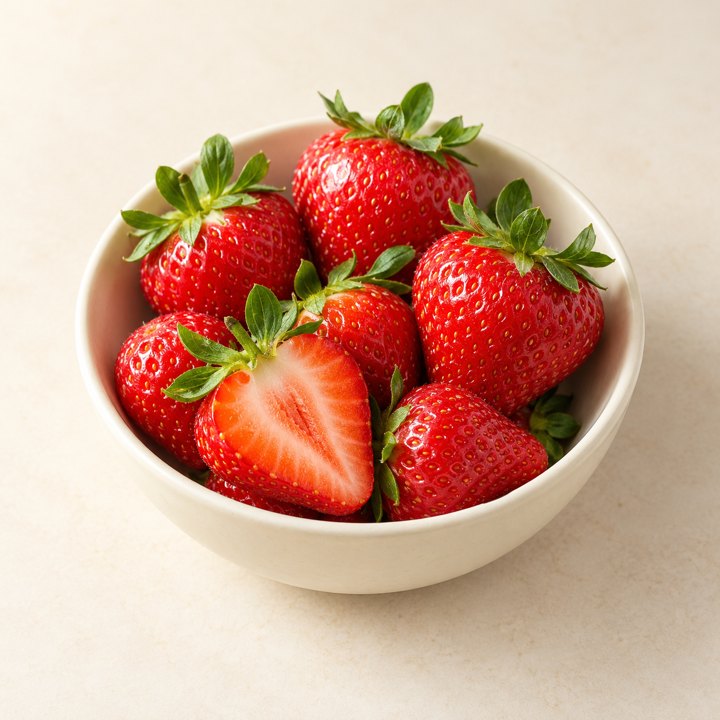
Strawberries are Fragaria × ananassa, the garden strawberry; an enlarged receptacle with small fruits on its surface. Its eating character is fragrant and sweet-tart, with a soft juicy bite.
What is strawberries? Names, flavour and types
Strawberries are Fragaria × ananassa, the garden strawberry; an enlarged receptacle with small fruits on its surface. Its eating character is fragrant and sweet-tart, with a soft juicy bite.
The main forms to recognise are summer-bearing and repeat-fruiting cultivars, fresh berries and frozen whole or sliced fruit. Choose the form and ripeness specified by the recipe.
Origins, cultivation and the Pakistan market
Modern garden strawberries arose in eighteenth-century Europe from crosses between American strawberry species; wild strawberries were eaten much earlier. The relevant botanical or crop background is documented in Garden strawberry - Fragaria × ananassa | Kew.
Growing conditions and producing countries: A cool to mild climate crop often grown on raised beds or under protection; China, the United States, Mexico and Türkiye produce it. Winter and spring local fruit supports strawberry lassi, shakes and desserts; freshness matters because berries bruise easily. Delicate fruit requires careful packing and cooling, and air-freighted or imported berries can cost much more than local seasonal alternatives. Frozen fruit is a distinct practical option for cooked fillings and drinks, where a slightly softer texture is usually acceptable.

How to prepare, cook and substitute it
Rinse briefly before hulling so water does not soak into the centre. Blend ripe fruit into lassi or slice just before serving; macerating in sugar draws out juice
A brief rinse before removing the leafy cap generally limits water entering the cut centre. Drain gently and hull just before slicing or blending. Avoid soaking fragile ripe berries for a long time, which can soften them further. For lassi, ripe berries give more aroma, but a slightly tart batch may need a different balance of yogurt and sweetener. Do not try to rescue a mouldy soft berry by trimming the visible spot; inspect the whole pack and discard affected fruit.
Handle tender fruit in a shallow bowl rather than crushing the lower layer under a deep pile. Rinse shortly before use, drain well and remove stalks, stones or damaged pieces as appropriate. For baking, consider how much juice the fruit will release: a very ripe fresh batch and a thawed frozen batch can behave differently. Fold gently into batter or cream. If making a sauce, cook to the required thickness before adding it to a cake so that excess juice does not soak the sponge or loosen a filling.
A useful starting substitute is raspberries or ripe mango in lassi, with acidity and sweetness adjusted. Adjust the recipe for the replacement’s texture and moisture.
Buying and storing it well
Look for bright sound berries with fresh caps, avoiding leaky mouldy packs. Buy an amount that can be used while its texture is still suitable for the intended dish. Trim away ordinary damaged portions where appropriate, but reject a product showing active decay or an abnormal smell rather than hiding it in a strongly spiced preparation.
For storage, refrigerate unwashed and use promptly; freeze hulled sound berries for drinks. Keep prepared portions separate from unwashed produce and raw animal foods. Use a clean covered container for cut or cooked food, and label frozen portions so the oldest batch is used first. The condition at purchase, kitchen temperature and packaging all affect keeping quality; a fixed number of days is not a guarantee of safety.
Nutrition, benefits and practical cautions
The nutritional contribution is vitamin C, fibre and fruit pigments, with sugar varying by ripeness. USDA FoodData Central distinguishes raw, cooked, dried and processed forms. Recipe totals must also account for added oil, cream, sugar or syrup.
Strawberry allergy can occur; discard mouldy soft berries rather than cutting off the visible patch. Its role in a balanced meal depends on portion size and preparation. Whole foods and concentrated supplements are different products and should not be treated as interchangeable.
Recipes using strawberries
Use the linked recipes to match preparation to the finished dish. Check whether the ingredient quantity means whole purchased weight, peeled edible weight, drained weight or a cooked portion before shopping. This is especially helpful when a recipe needs a thick filling or a carefully balanced drink.
For related Urdu names, pantry ingredients and cooking combinations, see the Pakistani ingredients and spices guide.
Names and forms used in our recipes
View the recipe names covered by this guide
- strawberries
Frequently Asked Questions
Should strawberries be hulled before washing?
A brief rinse before removing the leafy cap generally limits water entering the cut centre. Drain gently and hull just before slicing or blending. Avoid soaking fragile ripe berries for a long time, which can soften them further. For lassi, ripe berries give more aroma, but a slightly tart batch may need a different balance of yogurt and sweetener. Do not try to rescue a mouldy soft berry by trimming the visible spot; inspect the whole pack and discard affected fruit.
How should I store strawberries?
Refrigerate unwashed and use promptly; freeze hulled sound berries for drinks.
What should I consider before serving strawberries?
Strawberry allergy can occur; discard mouldy soft berries rather than cutting off the visible patch.
Keep Exploring
Related places and stories on DailyLife.pk

How we know this
- Type Explainer
- Sources 5 (2 official/academic)
- Reviewed November 2026
- Disputed points None
5 sources
Photo credits (1)
- I-11 Sabze Mande, Islamabad.jpg, Pakieditor, CC BY-SA 4.0, via Wikimedia Commons
