
Ingredients & Spices · The complete guide
Spring onion
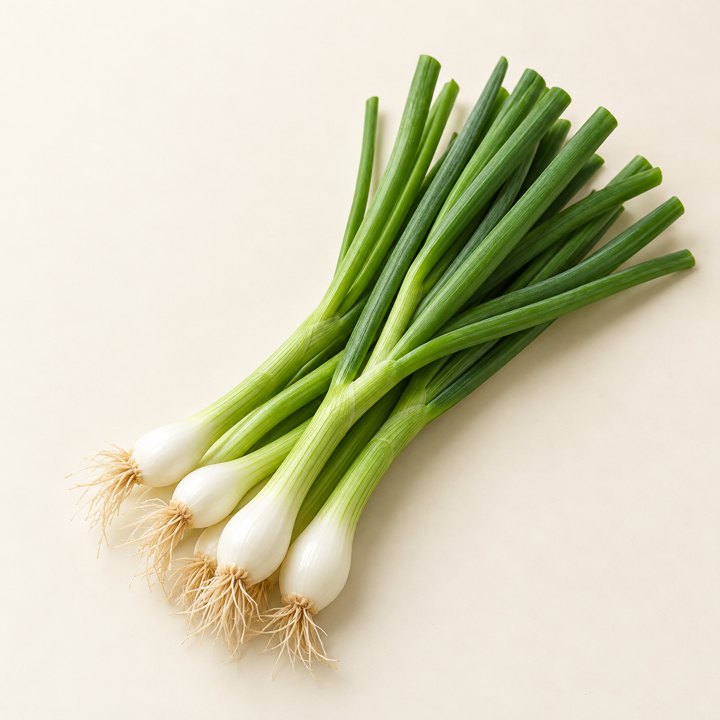
Spring onion, hara pyaz, refers to young onions with edible green leaves and a tender white base. They can come from bulb onions harvested young or bunching onion types such as Allium fistulosum.
What it is and names to know
Spring onion, hara pyaz, refers to young onions with edible green leaves and a tender white base. They can come from bulb onions harvested young or bunching onion types such as Allium fistulosum. Scallion is another common English name.
Origins, producing regions and Pakistan context
Young alliums have longstanding food uses across Asia and beyond. A fresh-market category such as spring onion does not have one botanical origin or one documented inventor.
They are grown in many countries, including Pakistan, and are generally best bought fresh from a nearby supply. Leaf crispness and a clean sound base are better household criteria than international rankings.
Background: Royal Botanic Gardens, Kew: plant identity and range.

Types and buying advice
Choose crisp green leaves and a sound tender base. A young bulb onion and a bunching onion may both be sold under the same fresh-market name.
How to cook with it
Cook the white part briefly in fried rice, soup and stir-fries, and add green tops late as garnish. Use both parts in pancakes, eggs or a finely chopped kebab mixture where the recipe permits.
Separate white and green portions when their cooking times differ. Wash between the layers near the base where soil can lodge, then dry well for a hot wok.
Separating the white base from the green leaves gives more control in a quick wok dish. Cook the white portion with the other aromatics and fold in the greens shortly before serving. A long simmer makes the green part limp and less fragrant. For a cold garnish, slice with a clean sharp knife and use promptly. Bulb onion can replace some cooked base, but a thick raw onion slice is not the same delicate finishing texture.
Try the ingredient in Chicken Manchurian, Prawn Fried Rice, Chicken Chilli Dry. Follow each recipes specified form and quantity, since whole pieces and fine powder season food differently.
For related pantry ingredients, see the Pakistani ingredients and spices guide.
For fried rice, slice the pale base and green tops into separate bowls before heating the pan. Add the pale portion with the aromatics and the green portion close to completion. Keep some raw greens for a fresh garnish only if they have been cleanly prepared. This staged use makes more sense than simmering the entire bunch until the leaves become limp and lose their fresh appearance.
Nutrition and realistic benefits
Fresh leaves add aroma, variety and some micronutrients to food. The nutritional contribution depends on whether you eat a few garnish leaves or a substantial chopped-herb portion. They cannot replace the volume and diversity of vegetables in a meal. Their most useful everyday role is making ordinary dishes enjoyable with a fresh aromatic finish. Claims based on isolated oils, extracts or laboratory tests should not be transferred to a spoonful of chopped leaves or an everyday homemade tea.
Disadvantages and precautions
Raw spring onions need the same clean handling as other produce. Slimy tops and a rotten base are reasons to discard affected produce rather than hide it in a paste.
Clean handling matters even for a small garnish. FDA food-safety guidance explains practical handling. Buying from a traceable food supplier is more dependable than trying to judge safety from appearance alone.
Substitutions and storage
Chives replace the mild green garnish; a small amount of finely chopped onion can replace the white base. Neither supplies exactly the same combination.
Choose sound leaves with a clear characteristic aroma, and discard rotten or slimy material. Rinse under fresh running water before use and dry gently; household soap and detergent are unsuitable for washing food. Keep most fresh herbs chilled with their moisture controlled so leaves do not sit wet. Tender basil is particularly sensitive to cold and bruising. Freezing can preserve a surplus for cooked dishes, though thawed leaves usually lose the texture needed for an attractive raw garnish.
Names and forms used in our recipes
View the recipe names covered by this guide
- sliced spring onion
- sliced spring onions
- spring onion
- spring onion greens
- spring onions
- spring onions (about 30 g)
Frequently Asked Questions
Do spring onion whites and greens cook together?
Separating the white base from the green leaves gives more control in a quick wok dish. Cook the white portion with the other aromatics and fold in the greens shortly before serving.
What can I use instead of spring onion?
Chives replace the mild green garnish; a small amount of finely chopped onion can replace the white base. Neither supplies exactly the same combination.
What is the main caution with spring onion?
Raw spring onions need the same clean handling as other produce. Slimy tops and a rotten base are reasons to discard affected produce rather than hide it in a paste.
Keep Exploring
Related places and stories on DailyLife.pk

How we know this
- Type Explainer
- Sources 3 (1 official/academic)
- Reviewed November 2026
- Disputed points None
3 sources
Photo credits (1)
- I-11 Sabze Mande, Islamabad.jpg, Pakieditor, CC BY-SA 4.0, via Wikimedia Commons
