
Ingredients & Spices · The complete guide
Sichuan pepper
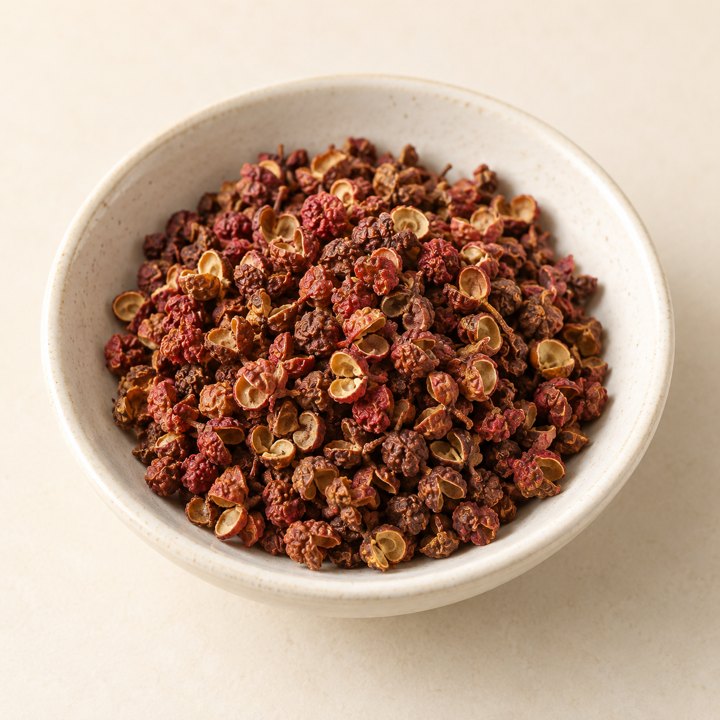
Sichuan pepper is the dried husk of fruits from Zanthoxylum species, including Zanthoxylum bungeanum. It is not Piper black pepper.
What it is and names to know
Sichuan pepper is the dried husk of fruits from Zanthoxylum species, including Zanthoxylum bungeanum. It is not Piper black pepper. Its distinctive tingling or numbing sensation comes from a different family of compounds than chilli heat.
Origins, producing regions and Pakistan context
The spice has a longstanding Chinese regional food history. Related Zanthoxylum species season food elsewhere in Asia, but their local names and flavour profiles should not all be treated as one identical product.
China is strongly associated with Sichuan pepper production and trade. Pakistani cooks generally find it through specialist Chinese or imported-food suppliers, rather than as a standard local kali mirch. Whole and processed forms can cross borders separately: a spice may be imported, milled and repacked before sale in Pakistan. The growing countries listed here are not a claim about the direct supplier of a particular Pakistani packet.
Background: Royal Botanic Gardens, Kew: plant identity and range.
Types and buying advice
Choose aromatic husks with few hard black seeds or stems. Red and green Sichuan-style products can have different fragrances.
How to cook with it
Toast husks lightly, cool and grind for Sichuan-style sauces, stir-fries or a chilli oil seasoning. Sift out hard black seeds and stalk pieces, which can feel gritty rather than pleasantly aromatic.
Begin with a small pinch in a familiar stir-fry. Combine with chilli deliberately to balance numbing fragrance and heat; neither needs to overwhelm the dish.
The fragrant husks are the desired part; hard black seeds contribute unwanted grit. Sort before toasting and sift the ground spice if a smooth sauce is needed. Toast only enough to release the citrus-like aroma, then cool before grinding. A combination of Sichuan pepper and chilli creates a distinctive balance, but one does not substitute for the other. Begin gently when cooking for diners unfamiliar with the tingling sensation, and offer additional seasoning separately if appropriate.
Try the ingredient in Kung Pao Chicken. Follow each recipes specified form and quantity, since whole pieces and fine powder season food differently.
For related pantry ingredients, see the Pakistani ingredients and spices guide.
For a smooth stir-fry sauce, lightly toast clean husks, cool, grind and sieve before measuring the powder. This avoids hard seed fragments and gives more even distribution than scattering unsorted whole fruits over the food. Keep a small freshly ground portion for finishing only if the recipe needs a clearer surface aroma as well as the background seasoning.
Nutrition and realistic benefits
At the quantities usually used in a household dish, the main benefit is flavour rather than a large contribution of protein, vitamins or minerals. Composition tables often describe 100 grams, far more than an ordinary serving. A small seasoning quantity should not be advertised as a practical way to meet a daily mineral requirement. Aromatic food can help make simple lentils, vegetables and rice appealing, but the whole meals balance of ingredients, salt and fat still matters.
Disadvantages and precautions
Use labelled food-grade spice. A pronounced tingling sensation is expected, but an allergy or painful irritation is not a reason to keep increasing the amount.
Dry spices are not sterile foods. FDA food-safety guidance explains practical handling. Buying from a traceable food supplier is more dependable than trying to judge safety from appearance alone.
Substitutions and storage
There is no exact substitute. Black pepper with a little citrus zest can give warmth and fragrance, but cannot reproduce the tingling sensation.
Keep in a clean, tightly closed food container in a cool dry cupboard, away from the cooker and direct sun. Whole pieces generally retain aroma better than the same spice left ground. Date the jar when opened and buy an amount you can use while fragrant. Crush a small sample periodically: fading aroma means weaker flavour, while dampness, insects or a musty smell are reasons to discard it. Never tip a wet spoon into a dry-spice jar.
Names and forms used in our recipes
View the recipe names covered by this guide
- sichuan peppercorns
Frequently Asked Questions
Should the hard black seeds be ground with the husks?
The fragrant husks are the desired part; hard black seeds contribute unwanted grit. Sort before toasting and sift the ground spice if a smooth sauce is needed.
What can I use instead of sichuan pepper?
There is no exact substitute. Black pepper with a little citrus zest can give warmth and fragrance, but cannot reproduce the tingling sensation.
What is the main caution with sichuan pepper?
Use labelled food-grade spice. A pronounced tingling sensation is expected, but an allergy or painful irritation is not a reason to keep increasing the amount.
Keep Exploring
Related places and stories on DailyLife.pk

How we know this
- Type Explainer
- Sources 3 (1 official/academic)
- Reviewed November 2026
- Disputed points None
3 sources
Photo credits (1)
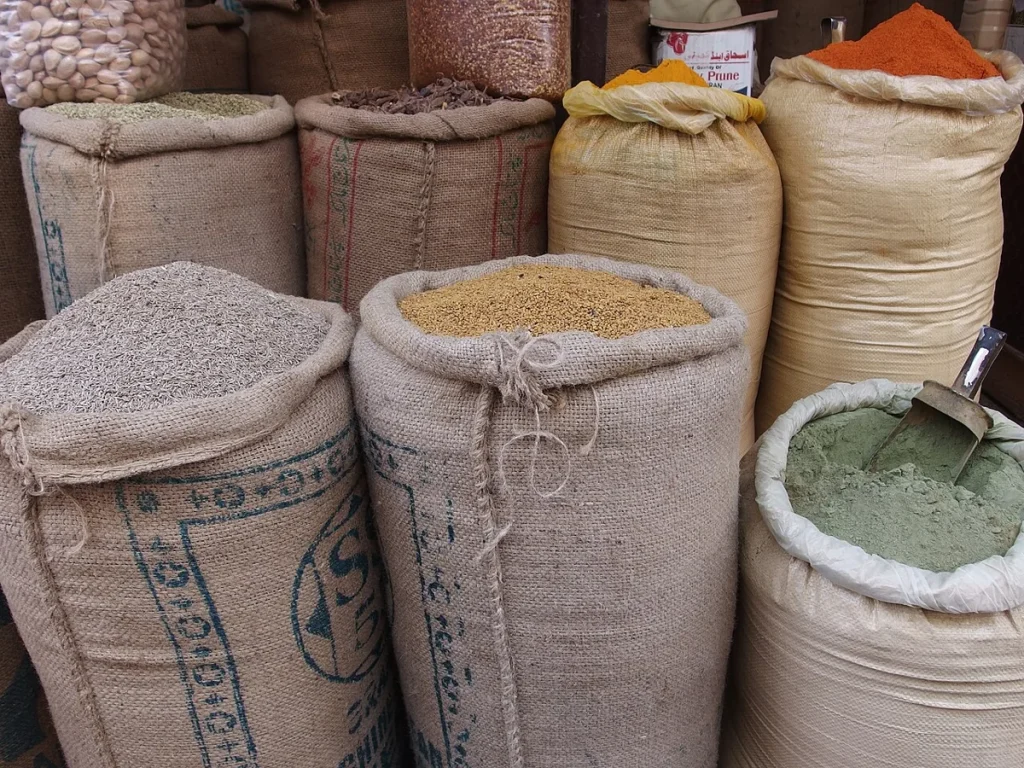
- Spice market @ Walled City @ Lahore (15449651456).jpg, Guilhem Vellut from Annecy, France, CC BY 2.0, via Wikimedia Commons
