
Ingredients & Spices · The complete guide
Short grain rice
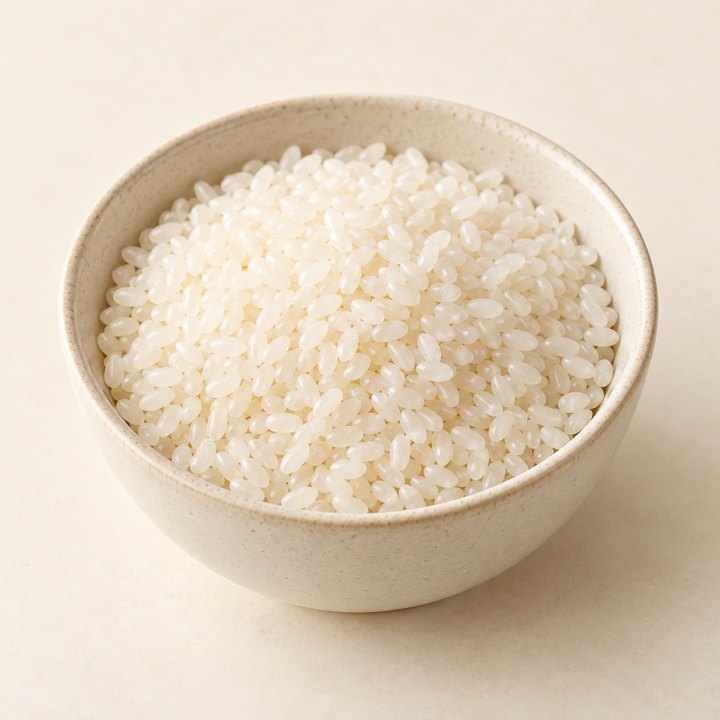
Short-grain rice has short, plump kernels that usually cook into a tender, cohesive texture. It is not one universal variety: Japanese table rice, pudding rice and glutinous rice have different starch properties.
What it is and what to buy
Short-grain rice has short, plump kernels that usually cook into a tender, cohesive texture. It is not one universal variety: Japanese table rice, pudding rice and glutinous rice have different starch properties. Despite its name, glutinous rice contains no wheat gluten, but ordinary Japanese short-grain rice is not the same product. Choose the variety named in a sushi, pudding or rice-cake recipe rather than relying on shape alone.
Rice is the edible grain of Oryza sativa, a grass. In Urdu, chawal usually means the grain served as food, while dhan refers to paddy before milling. Removing the inedible husk produces brown rice; further milling removes much of the bran and germ to produce white rice. Grain length, aroma, milling and parboiling describe different properties, so a long grain is not automatically basmati and a white grain is not automatically short grain.
Origins and food history
Rice domestication involved generations of farmers rather than a recorded discoverer. Kew describes early domesticated rice from the lower Yangtze valley of China, around 6000 BCE, while distinguishing it from older evidence for gathering wild rice. South Asian rice has its own complex agricultural history. A general date for rice cultivation cannot establish the age of a particular aromatic variety, commercial brand, or modern cooking technique.
Reference: Kew: Asian rice.
Growing regions, trade and Pakistan
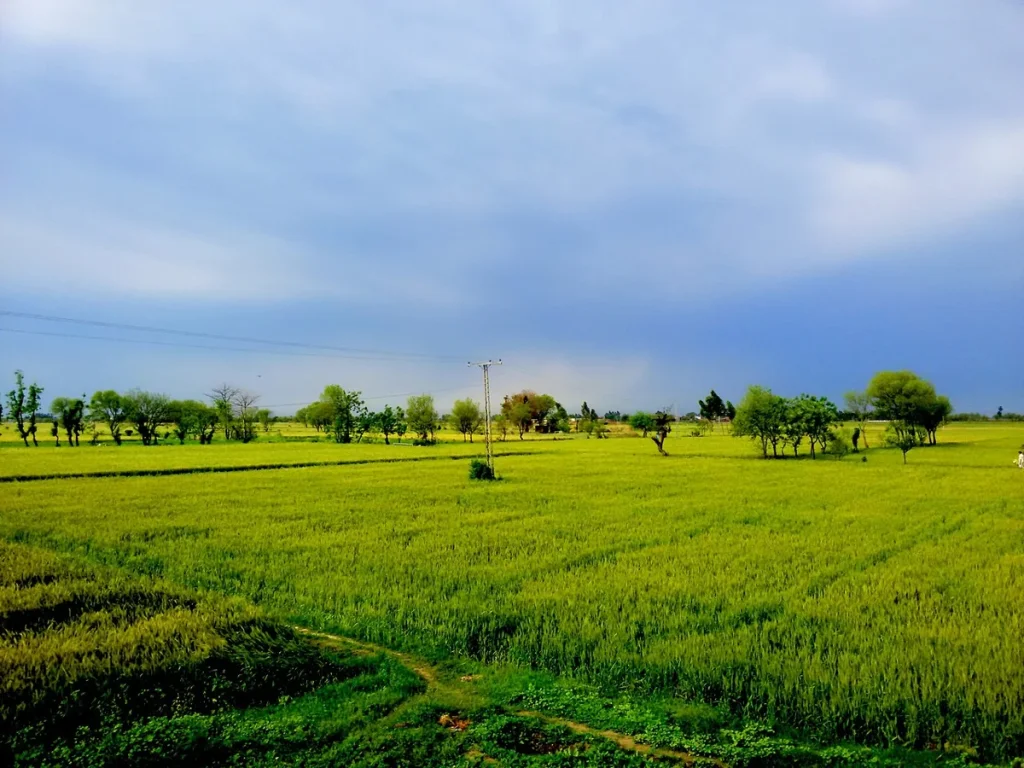
Rice is produced across China, India, Bangladesh, Indonesia, Vietnam and many other countries. Pakistan grows rice in irrigated agricultural systems and trades both aromatic basmati and non-basmati grain. India, Pakistan, Thailand and Vietnam are familiar exporting origins, with different varieties serving different markets. Country of packing does not necessarily identify the farm origin. Compare crop or lot details, variety, broken-grain percentage and milling style rather than assuming that an expensive packet is suitable for every rice dish.
Reference: CBI: grain, pulse and oilseed demand.
How to prepare and cook it
For Japanese-style table rice, rinse as directed, allow even hydration, cook with measured water and let it rest before gently lifting the grains. Sushi rice is seasoned after cooking; the rice must be cohesive without becoming a wet paste. In milk puddings, a gentle simmer and regular stirring encourage controlled starch release and prevent milk from catching on the base. Do not apply a biryani method merely because both recipes use white rice: the desired texture is different.
Put this form of the ingredient to work in Gil E Firdaus; Sushi Rolls; Turkish Rice Pudding. The method in each recipe determines whether it should be raw, soaked, ground, freshly cooked or chilled before it enters the dish.
Nutrition, benefits and their limits
Plain rice supplies carbohydrate for energy, with modest protein and little fat before oil, butter or ghee is added. Brown forms retain more bran and fibre than polished white forms. Enrichment and fortification differ by product and country; washing practices also influence retention of added surface nutrients. Rice is naturally free of wheat gluten, but a seasoned mix may include gluten-containing ingredients. It is a useful meal component, best accompanied by vegetables and a meaningful protein source rather than treated as a complete diet.
Allergies, disadvantages and safe handling
Portion size and the rest of the meal matter for blood glucose; an aromatic name does not guarantee a low glycaemic response. Rice can accumulate inorganic arsenic from its growing environment. Eating a variety of grains helps avoid relying on one source every day. Cooked rice needs particular care because Bacillus cereus spores can survive cooking and grow during warm storage. Reheating cannot reliably undo every consequence of poor storage.
Practical substitutions
A suitable medium-grain Japanese-style rice can sometimes replace short-grain rice for table dishes. Pudding rice can work in desserts but is not automatically the best sushi choice. Basmati remains more separate and will change both binding and mouthfeel; glutinous rice changes the texture more dramatically.
Keeping it fresh
Keep uncooked grain dry, tightly sealed and protected from insects, humidity and strong odours. Brown rice has more exposed oil and loses freshness sooner than polished white rice. For cooked rice, divide into shallow portions and chill promptly, ideally within one hour. The UK Food Standards Agency advises refrigerating rice for no more than one day before reheating, reheating only once and ensuring it is steaming hot throughout. Freeze promptly if a later meal is planned; never leave rice cooling overnight on the counter.
For related ingredients and shopping terms, see the Pakistani ingredients and spices pantry guide.
Working with other forms of this ingredient
Cooked short-grain rice
This ingredient means short-grain rice already cooked into tender, cohesive grains. Hot cooked rice suits bowls such as bibimbap and katsu curry, while properly chilled cooked rice can suit kimchi fried rice. The temperature named in a recipe is part of its preparation. Plain cooked Japanese-style rice is not the same as vinegared sushi rice, and neither should be confused with sweet glutinous rice or a packaged rice-cake product.
Rice is the edible grain of Oryza sativa, a grass. In Urdu, chawal usually means the grain served as food, while dhan refers to paddy before milling. Removing the inedible husk produces brown rice; further milling removes much of the bran and germ to produce white rice. Grain length, aroma, milling and parboiling describe different properties, so a long grain is not automatically basmati and a white grain is not automatically short grain.
For a rice bowl, loosen hot rice gently with a paddle instead of mashing it. Keep toppings and sauces ready so the rice can be served promptly. For kimchi fried rice, use safely cooled rice and break it into manageable clumps; drained kimchi and controlled liquid additions stop the pan from becoming soupy. Short-grain rice will retain some cohesion even when fried, so do not judge it by the long separate grains of basmati. Reheat refrigerated portions thoroughly and use the food’s storage history, not smell alone, to assess safety.
Put this form of the ingredient to work in Kimchi Fried Rice; Bibimbap; Katsu Curry. The method in each recipe determines whether it should be raw, soaked, ground, freshly cooked or chilled before it enters the dish.
Names and forms used in our recipes
View the recipe names covered by this guide
- cooked chilled short-grain rice
- cooked hot short-grain rice
- hot cooked short-grain rice
- japanese short-grain rice
- short-grain pudding rice
- short-grain rice
Frequently Asked Questions
Is short-grain rice the same as sticky rice?
The term sticky is ambiguous. Ordinary short-grain rice is cohesive, but glutinous or sweet rice is a distinct market type.
Should pudding rice be rinsed?
Follow the recipe. Rinsing removes surface starch, which is helpful for some table-rice methods but not always necessary in a starch-thickened pudding.
Keep Exploring
Related places and stories on DailyLife.pk

How we know this
- Type Explainer
- Sources 7 (2 official/academic)
- Reviewed November 2026
- Disputed points None
7 sources
Photo credits (1)
- RICE FIELDS IN PUNJAB, PAKISTAN.jpg, Faran104, CC BY-SA 4.0, via Wikimedia Commons
