
Ingredients & Spices · The complete guide
Shallots
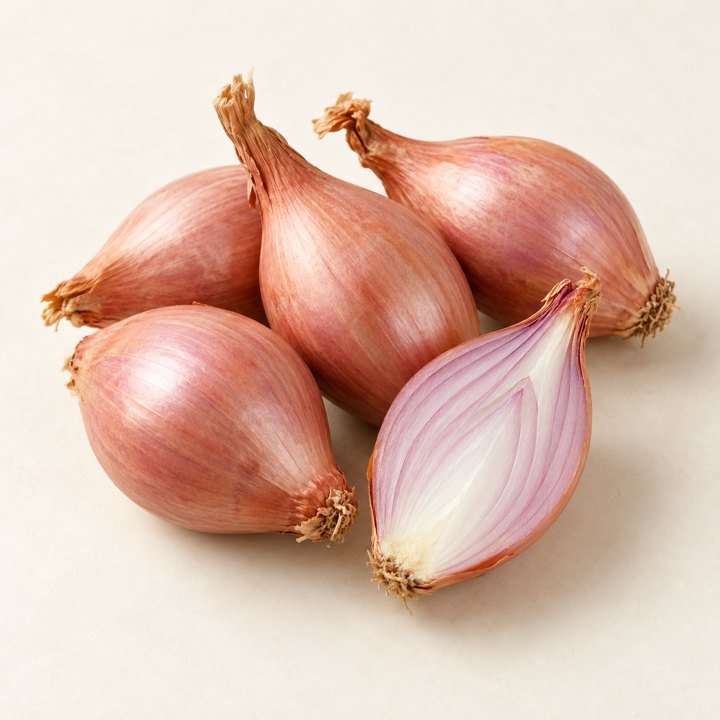
Shallots are a cultivated onion group within Allium cepa, usually forming smaller bulbs or clusters. They often have a delicate sweet-pungent flavour, although variety and growing conditions matter.
What it is and names to know
Shallots are a cultivated onion group within Allium cepa, usually forming smaller bulbs or clusters. They often have a delicate sweet-pungent flavour, although variety and growing conditions matter. They are not simply any small immature onion.
Origins, producing regions and Pakistan context
Their history is part of the long cultivation of onions across Asia and adjoining regions. Familiar stories connecting names to ancient places are not proof of a sole origin or an identifiable discoverer.
They are cultivated in parts of Asia and Europe, including Indonesia, Thailand and France. Pakistani sellers may offer local small onions as substitutes, so ask whether the product is a true shallot type.
Background: Royal Botanic Gardens, Kew: plant identity and range.

Types and buying advice
Choose true shallot types when their flavour matters, or use ordinary onion by prepared weight as an adaptation. Small bulb size alone proves neither.
How to cook with it
Use in sambar, stir-fries, a fine sauce or crisp fried garnish. Slice evenly for frying and remove from the oil while still slightly lighter than the final desired colour.
Peel carefully and separate naturally joined bulbs. When a recipe specifies a weight, use it: one large shallot can outweigh several small ones.
For crisp fried shallots, slice as evenly as possible and separate the rings or pieces before cooking. Small differences in thickness produce pale soft pieces alongside bitter dark ones. Drain promptly and allow them to cool before closing a container, because trapped steam softens the garnish. When using shallots in a sauce, finely chop for even softening. Substitution by prepared weight is more dependable than counting bulbs, since shallot size varies greatly between varieties and shops.
Try the ingredient in Idli Sambar. Follow each recipes specified form and quantity, since whole pieces and fine powder season food differently.
For related pantry ingredients, see the Pakistani ingredients and spices guide.
For a sauce that needs a fine texture, mince shallots evenly and soften gently before adding the recipes liquid. For a crisp garnish, slice thinly and fry separately instead. A spoon of fried shallot has a different moisture and fat content from the same weight raw. When a shop offers small ordinary onions as substitutes, use them knowingly by prepared weight. The recipe can still work, but the result may be more pungent and need a different softening time than true shallots.
Nutrition and realistic benefits
Onions and related bulbs contribute water, carbohydrate and some fibre when used in substantial quantities. Their role differs from a tiny pinch of dried spice: they can form much of a curry base. The cooking method changes the finished dishes nutrition, particularly when a large quantity of oil is used for frying. A varied diet matters more than claims about any one plant compound, and an onion preparation should not be promoted as a treatment.
Disadvantages and precautions
Shallots share allium allergy and digestive considerations with onions. Fried shallots absorb oil, so their nutritional effect depends on preparation and amount.
Clean handling matters even for a small garnish. FDA food-safety guidance explains practical handling. Buying from a traceable food supplier is more dependable than trying to judge safety from appearance alone.
Substitutions and storage
Ordinary red or yellow onion is usually practical. Use the same prepared weight and adjust cooking time for the cut size rather than matching the number of bulbs.
Keep sound dry storage bulbs in a ventilated, dry place away from excessive heat. Once peeled or cut, refrigerate in a clean closed container. Fresh young onions need different handling from fully dried storage onions and are normally kept chilled. Discard rotten or mouldy bulbs rather than blending them into a sauce. For an evenly cooked base, prepare only as much as needed or freeze clean chopped portions for later cooked dishes; thawed pieces will be softer.
Names and forms used in our recipes
View the recipe names covered by this guide
- shallots
Frequently Asked Questions
How do I fry shallots evenly?
For crisp fried shallots, slice as evenly as possible and separate the rings or pieces before cooking. Small differences in thickness produce pale soft pieces alongside bitter dark ones.
What can I use instead of shallots?
Ordinary red or yellow onion is usually practical. Use the same prepared weight and adjust cooking time for the cut size rather than matching the number of bulbs.
What is the main caution with shallots?
Shallots share allium allergy and digestive considerations with onions. Fried shallots absorb oil, so their nutritional effect depends on preparation and amount.
Keep Exploring
Related places and stories on DailyLife.pk

How we know this
- Type Explainer
- Sources 3 (1 official/academic)
- Reviewed November 2026
- Disputed points None
3 sources
Photo credits (1)
- I-11 Sabze Mande, Islamabad.jpg, Pakieditor, CC BY-SA 4.0, via Wikimedia Commons
