
Ingredients & Spices · The complete guide
Rocket
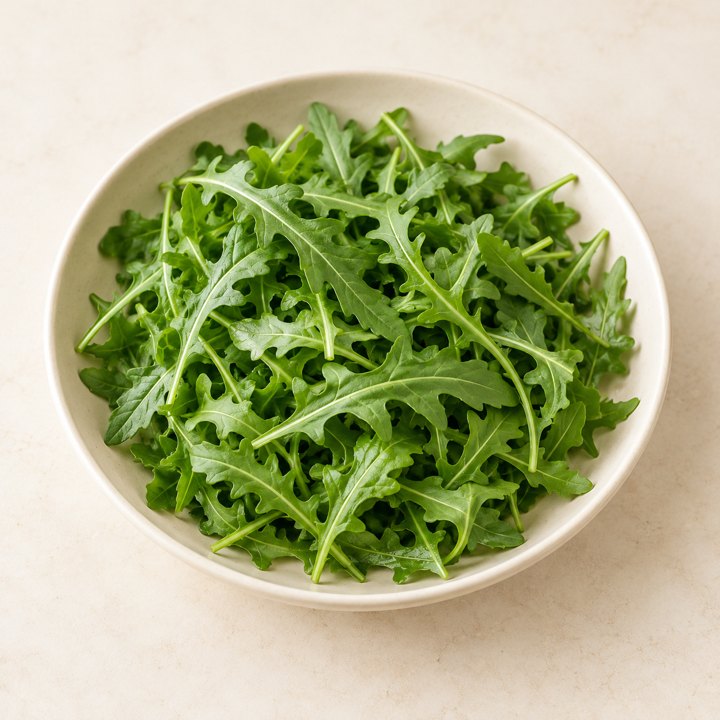
Rocket is Eruca vesicaria or closely associated cultivated rocket taxa; arugula is the common American name. Its eating character is peppery, mustard-like and slightly nutty, stronger in older leaves.
What is rocket? Names, flavour and types
Rocket is Eruca vesicaria or closely associated cultivated rocket taxa; arugula is the common American name. Its eating character is peppery, mustard-like and slightly nutty, stronger in older leaves.
The main forms to recognise are broad-leaved salad rocket and narrower wild rocket, which often tastes stronger. Choose the form and ripeness specified by the recipe.
Origins, cultivation and the Pakistan market
A Mediterranean and western Asian leafy crop used since antiquity; cultivated rocket differs from some wild-rocket species sold under similar names. The relevant botanical or crop background is documented in Eruca vesicaria (L.) Cav. | Plants of the World Online | Kew Science.
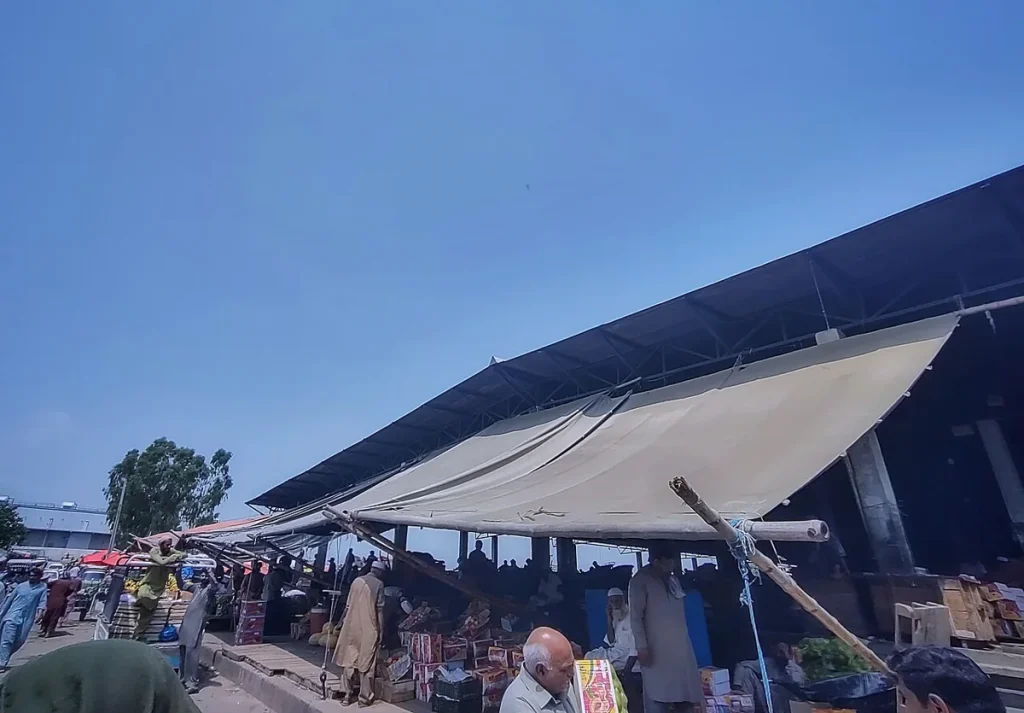
Growing conditions and producing countries: A quick cool-season leaf crop; grown in Italy, other European countries and many protected-salad systems. Usually a specialty salad green; tara meera may refer to related seed or oil uses rather than retail salad leaves. Fresh leaves have a short selling life, so nearby production and reliable cooling often matter more to household quality than the distance printed on a label. Imported salad packs and locally tied market bunches can also differ considerably in trimming and usable weight.
How to prepare, cook and substitute it
Rinse and dry well. Add fresh to a steak sandwich, scatter over pizza after baking or wilt briefly into pasta; long cooking loses its delicate texture
It can be briefly wilted into pasta or another hot dish, but long cooking softens the leaves and reduces their fresh peppery character. For a steak sandwich, add dry fresh leaves close to serving rather than burying them under hot meat far in advance. Strong mature rocket can dominate a small sandwich; a mixture with milder lettuce may be preferable. Wild rocket and cultivated broad-leaf rocket can differ in pungency, so taste a clean leaf before deciding the quantity.
Work with the stems and leaves separately when their thickness differs. A coarse stem may still be firm after the leaf has collapsed, so either trim it away or give it a head start. Drain washed greens properly before they meet hot oil: water lowers the pan temperature and can leave a masala thin. For a smooth saag, cook the leaves to tenderness before blending rather than expecting a blender to soften tough fibre. Taste the finished mixture before adding more salt, especially after its volume has reduced.
A useful starting substitute is watercress for pepperiness, young mustard leaves in small quantities, or lettuce for a milder result. Adjust the recipe for the replacement’s texture and moisture.
Buying and storing it well
Look for fresh crisp leaves without wet decay or extensive yellowing. Buy an amount that can be used while its texture is still suitable for the intended dish. Trim away ordinary damaged portions where appropriate, but reject a product showing active decay or an abnormal smell rather than hiding it in a strongly spiced preparation.
For storage, refrigerate dry in a covered container and use quickly. Keep prepared portions separate from unwashed produce and raw animal foods. Use a clean covered container for cut or cooked food, and label frozen portions so the oldest batch is used first. The condition at purchase, kitchen temperature and packaging all affect keeping quality; a fixed number of days is not a guarantee of safety.
Nutrition, benefits and practical cautions
The nutritional contribution is vitamin K, folate, carotenoid pigments and some fibre. USDA FoodData Central distinguishes raw, cooked, dried and processed forms. Recipe totals must also account for added oil, cream, sugar or syrup.
Pepperiness may be too strong for some eaters; raw leaf hygiene matters. Its role in a balanced meal depends on portion size and preparation. Whole foods and concentrated supplements are different products and should not be treated as interchangeable.
Recipes using rocket
Use the linked recipes to match preparation to the finished dish. Check whether the ingredient quantity means whole purchased weight, peeled edible weight, drained weight or a cooked portion before shopping. This is especially helpful when a recipe needs a thick filling or a carefully balanced drink.
For related Urdu names, pantry ingredients and cooking combinations, see the Pakistani ingredients and spices guide.
Names and forms used in our recipes
View the recipe names covered by this guide
- rocket leaves
Frequently Asked Questions
Can rocket be cooked instead of eaten in salad?
It can be briefly wilted into pasta or another hot dish, but long cooking softens the leaves and reduces their fresh peppery character. For a steak sandwich, add dry fresh leaves close to serving rather than burying them under hot meat far in advance. Strong mature rocket can dominate a small sandwich; a mixture with milder lettuce may be preferable. Wild rocket and cultivated broad-leaf rocket can differ in pungency, so taste a clean leaf before deciding the quantity.
How should I store rocket?
Refrigerate dry in a covered container and use quickly.
What should I consider before serving rocket?
Pepperiness may be too strong for some eaters; raw leaf hygiene matters.
Keep Exploring
Related places and stories on DailyLife.pk

How we know this
- Type Explainer
- Sources 5 (2 official/academic)
- Reviewed November 2026
- Disputed points None
5 sources
Photo credits (1)
- I-11 Sabze Mande, Islamabad.jpg, Pakieditor, CC BY-SA 4.0, via Wikimedia Commons
