
Ingredients & Spices · The complete guide
Rice vermicelli
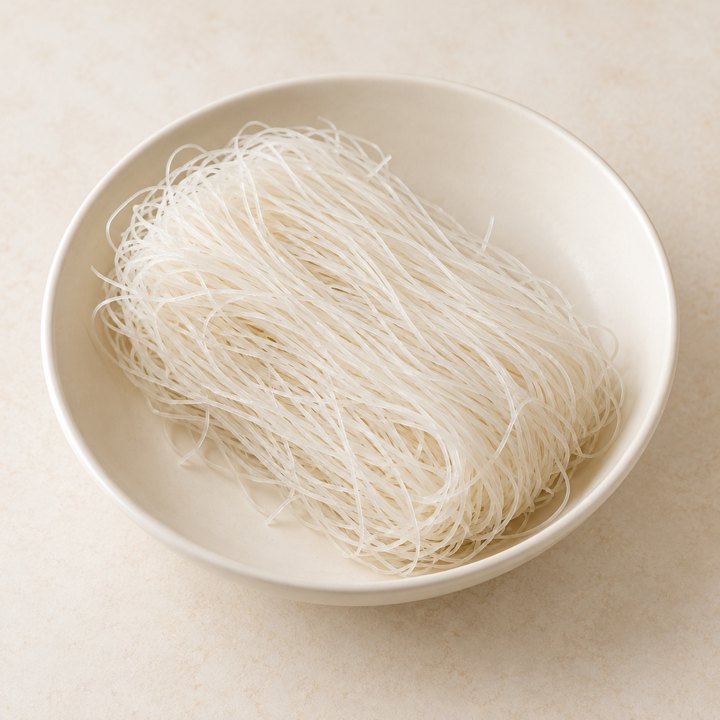
Rice vermicelli are fine rice-based strands, commonly used in Southeast Asian rolls, bowls and soups. They differ from wheat seviyan and transparent mung-bean glass noodles.
What it is and names used in Pakistan
Rice vermicelli are fine rice-based strands, commonly used in Southeast Asian rolls, bowls and soups. They differ from wheat seviyan and transparent mung-bean glass noodles.
Origin and historical context
Their culinary history is part of the diverse noodle traditions of rice-growing Asia rather than a single universally documented invention.
Types, manufacture and buying
Rice slurry or dough is formed into thin strands and cooked or dried. Added starch and strand diameter change hydration time.
Identify whether the pack is dry, fresh, precooked or instant before planning the recipe. These forms can look similar after cooking but have quite different preparation requirements. Check strand thickness, ingredient list and any separate seasoning sachets. A plain noodle can be comparatively simple while its accompanying powder introduces salt, sugar, milk or seafood ingredients. Where egg content or gluten matters, use explicit ingredient and allergen information rather than relying on the product’s yellow colour or an informal shop description.
Reference: FAO: Rice in human nutrition, processed rice products.
Production, trade and the Pakistani pantry
Vietnam, Thailand, China and other Asian countries manufacture rice vermicelli; Pakistani retail supplies are commonly imported.
Cooking uses and practical substitutions
For fresh spring rolls, cook or soak as directed, rinse if appropriate and drain thoroughly before assembly. Cut long tangled strands for easier filling. Thin rice noodles substitute better than sweetened dessert vermicelli.
Use enough space for strands to separate and stir gently early in cooking. Test the texture rather than assuming every brand follows the same minute count. Noodles that will finish in a hot sauce or soup should generally be slightly firmer at the first stage. Drain thoroughly for stir-fried fillings so water does not dilute seasoning. For a clearer soup, cooking noodles separately can keep loose starch out of the broth. Cut exceptionally long strands only when the dish benefits from easier portioning; avoid crushing a dry block into uneven fragments unless intended.
Nutrition, benefits and limitations
Rice noodles supply starch and usually relatively little fat before cooking oil is added. They are not inherently more slimming than wheat noodles; portion size and the finished sauce matter. Plain rice ingredients contain no wheat gluten, but mixed flours, processing cross-contact and sauces need separate checks when coeliac disease is relevant. Protein and fibre are often modest compared with wholegrain cereals or pulses. Add vegetables and an appropriate protein food rather than relying on a noodle bowl alone. Compare packet values using equivalent dry weights, because cooked noodles contain substantial absorbed water.
Plain rice noodles supply mostly carbohydrate and little protein; vegetables and a protein filling make a more substantial meal.
Practical notes and common mistakes
Fine rice vermicelli can turn into a sticky mass if left wet in a heap. After cooking and draining as directed, loosen strands gently and portion what is needed for each roll or bowl. A little compatible dressing can help in a salad, while fresh spring-roll filling is usually better kept relatively dry. Rice vermicelli and glass noodles can look alike in a packet but behave differently after hydration. Check the grain or starch listed, and test a small portion before substituting an unfamiliar product for an entire meal.
Storage and safe handling
Store dry noodles sealed in a cool dry cupboard, protected from insects and moisture. Fresh and chilled precooked noodles need the refrigeration stated on the pack; vacuum-packing does not necessarily mean shelf stability. Cool cooked leftovers promptly in shallow containers and refrigerate at 4°C or below. General leftover guidance is three to four days, but follow any shorter packet instruction. Freeze portions if appropriate for the product rather than keeping a large cooked batch warm for repeated meals. Reheat thoroughly; heating does not undo every hazard created by poor temperature control.
Recipes and related pantry reading
Use the form and quantity specified in each recipe, then adjust for the concentration, salt and moisture of the product you have bought. These dishes show where the ingredient fits in a complete preparation.
For related local names and pantry ingredients, see the Pakistani ingredients and spices guide.
Names and forms used in our recipes
View the recipe names covered by this guide
- dry rice vermicelli
Frequently Asked Questions
Are rice vermicelli the same as glass noodles?
No. Rice noodles and extracted-starch glass noodles have different composition and texture.
Should vermicelli be wet inside fresh rolls?
Drain thoroughly so excess water does not weaken the wrapper or dilute the filling.
Keep Exploring
Related places and stories on DailyLife.pk

How we know this
- Type Explainer
- Sources 4 (2 official/academic)
- Reviewed November 2026
- Disputed points None
