
Ingredients & Spices · The complete guide
Rice flour (Chawal ka atta)
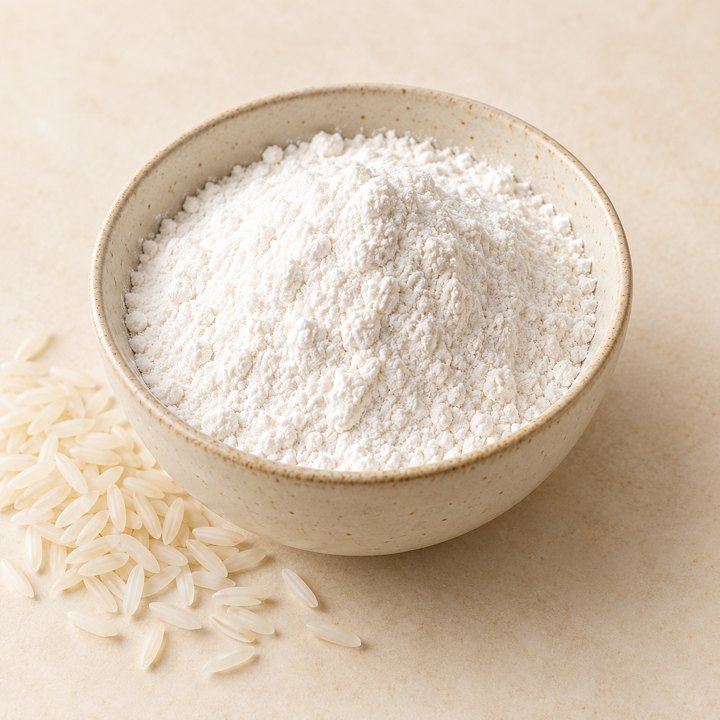
Rice flour, chawal ka atta, is finely ground rice rather than isolated rice starch. Ordinary flour from non-glutinous rice and sweet or glutinous rice flour are different ingredients.
What it is and what to buy
Rice flour, chawal ka atta, is finely ground rice rather than isolated rice starch. Ordinary flour from non-glutinous rice and sweet or glutinous rice flour are different ingredients. Brown-rice flour retains more bran and has a stronger flavour than white-rice flour. In Pakistani frying and sweets, fineness and whether the flour was dry milled, wet milled or freshly made can influence crispness and hydration more than a generic white colour.
Rice is the edible grain of Oryza sativa, a grass. In Urdu, chawal usually means the grain served as food, while dhan refers to paddy before milling. Removing the inedible husk produces brown rice; further milling removes much of the bran and germ to produce white rice. Grain length, aroma, milling and parboiling describe different properties, so a long grain is not automatically basmati and a white grain is not automatically short grain.
Origins and food history
Rice domestication involved generations of farmers rather than a recorded discoverer. Kew describes early domesticated rice from the lower Yangtze valley of China, around 6000 BCE, while distinguishing it from older evidence for gathering wild rice. South Asian rice has its own complex agricultural history. A general date for rice cultivation cannot establish the age of a particular aromatic variety, commercial brand, or modern cooking technique.
Reference: Kew: Asian rice.
Growing regions, trade and Pakistan
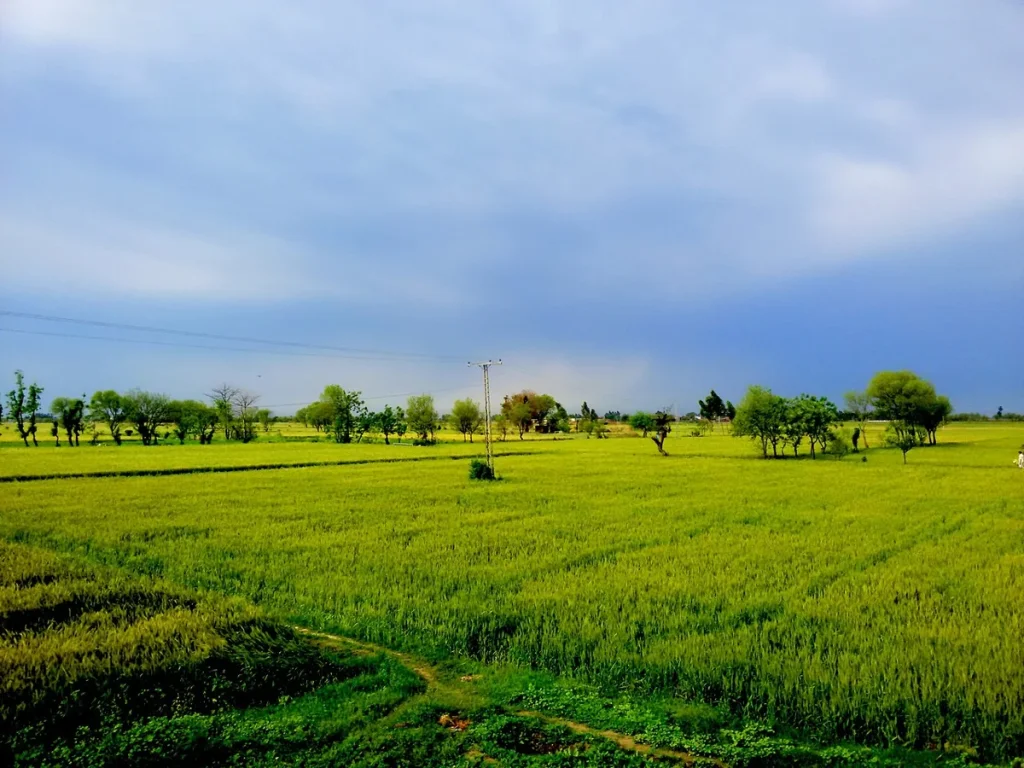
Rice is produced across China, India, Bangladesh, Indonesia, Vietnam and many other countries. Pakistan grows rice in irrigated agricultural systems and trades both aromatic basmati and non-basmati grain. India, Pakistan, Thailand and Vietnam are familiar exporting origins, with different varieties serving different markets. Country of packing does not necessarily identify the farm origin. Compare crop or lot details, variety, broken-grain percentage and milling style rather than assuming that an expensive packet is suitable for every rice dish.
Reference: CBI: grain, pulse and oilseed demand.
How to prepare and cook it
In pakoray, a measured proportion of rice flour can help create a crisp coating alongside besan. Too much can make a coating hard or brittle, so it is usually a supporting flour rather than the entire batter. For andrasay, rice preparation and moisture are central to the sweet’s structure; follow the recipe’s flour specification rather than substituting a random bag and changing the liquid by guesswork. Allow batters to hydrate where directed, and test a small piece before frying a full batch.
Put this form of the ingredient to work in Pakoray; Andrasay. The method in each recipe determines whether it should be raw, soaked, ground, freshly cooked or chilled before it enters the dish.
Nutrition, benefits and their limits
Plain rice supplies carbohydrate for energy, with modest protein and little fat before oil, butter or ghee is added. Brown forms retain more bran and fibre than polished white forms. Enrichment and fortification differ by product and country; washing practices also influence retention of added surface nutrients. Rice is naturally free of wheat gluten, but a seasoned mix may include gluten-containing ingredients. It is a useful meal component, best accompanied by vegetables and a meaningful protein source rather than treated as a complete diet.
Allergies, disadvantages and safe handling
Rice flour is naturally gluten-free but may be milled alongside wheat; check suitability if strict avoidance is needed. It is still a raw flour, so do not taste uncooked batter or dough. Cook it fully using the recipe’s method. Rice-based diets should include a range of other grains and foods because rice can contribute inorganic arsenic exposure. A little crisping flour is a culinary tool, not evidence that a deep-fried snack is nutritionally equivalent to boiled rice.
Practical substitutions
Cornstarch can provide some crispness in a coating but behaves differently in a dough. Glutinous rice flour makes a chewier product and is not a neutral replacement. Wheat flour adds gluten and changes both allergen suitability and texture. A tested gluten-free flour blend is preferable for baking that needs structure.
Keeping it fresh
Keep rice flour airtight and dry, away from insects, strong smells and a steaming stove. Brown-rice flour contains more exposed oils and benefits especially from cool storage. Refrigerate or freeze larger packets in warm weather and allow them to warm while sealed before opening. Discard rancid, mouldy or damp flour. Wet-ground homemade flour has a different moisture content and storage life from commercial dry flour; refrigerate promptly and follow a tested preparation rather than treating it as a shelf-stable powder.
For related ingredients and shopping terms, see the Pakistani ingredients and spices pantry guide.
Names and forms used in our recipes
View the recipe names covered by this guide
- fine rice flour
- rice flour
Frequently Asked Questions
Is rice flour gluten-free?
Pure rice flour is naturally free of wheat gluten. Choose a suitable labelled product if cross-contact matters.
Can rice flour replace rice starch?
Not automatically. Rice flour includes more of the grain and usually gives a different opacity, flavour and thickening behaviour from isolated starch.
Keep Exploring
Related places and stories on DailyLife.pk

How we know this
- Type Explainer
- Sources 7 (2 official/academic)
- Reviewed November 2026
- Disputed points None
7 sources
Photo credits (1)
- RICE FIELDS IN PUNJAB, PAKISTAN.jpg, Faran104, CC BY-SA 4.0, via Wikimedia Commons
