
Ingredients & Spices · The complete guide
Pul biber
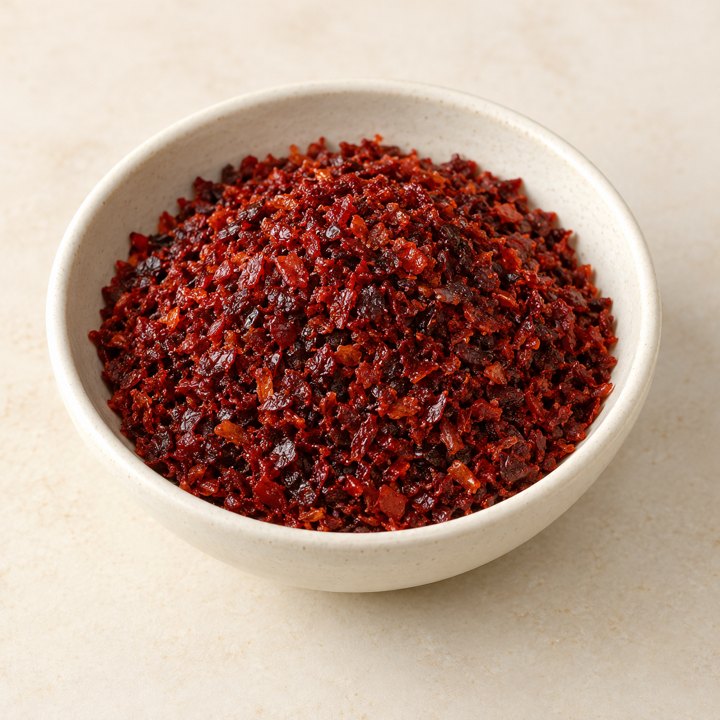
Pul biber is Turkish crushed red pepper, commonly sold as soft flakes. Different peppers and processing styles yield mild to hot products; some contain salt and oil.
What it is and names to know
Pul biber is Turkish crushed red pepper, commonly sold as soft flakes. Different peppers and processing styles yield mild to hot products; some contain salt and oil. It is a category of seasoning rather than one guaranteed cultivar.
Origins, producing regions and Pakistan context
Its culinary history sits within Turkish and regional pepper traditions after American Capsicum crops spread to the Old World. It should not be described as an ancient native Turkish botanical species.
Turkey is strongly associated with the finished product; similar regional flakes are sold elsewhere. Pakistani shops generally offer it as an imported speciality ingredient for Turkish-style dishes. Whole and processed forms can cross borders separately: a spice may be imported, milled and repacked before sale in Pakistan. The growing countries listed here are not a claim about the direct supplier of a particular Pakistani packet.
Background: Royal Botanic Gardens, Kew: plant identity and range.

Types and buying advice
Check heat, salt and oil additions. Soft Turkish-style flakes differ from both a fine paprika powder and very dry hot chilli flakes.
How to cook with it
Sprinkle over kebab, eggs, yoghurt, lentil soup or a finished salad. Briefly warming flakes in butter creates a fragrant topping, provided the butter and pepper are not burned.
Check whether the flakes are already salted. Their soft texture and fruity flavour can make them suitable for a finishing sprinkle where very dry hot chilli flakes would be harsh.
Its soft flakes often suit a finishing sprinkle more naturally than very dry coarse chilli fragments. Warm them in a little butter for a yoghurt or egg topping, then remove from the heat before browning. A salty packet should be treated as part of the final seasoning. If a substitution uses a very hot flake, reduce it initially; matching the visible quantity of red flecks is less important than keeping the food pleasant to eat.
Try the ingredient in Turkish Adana Kebab. Follow each recipes specified form and quantity, since whole pieces and fine powder season food differently.
For related pantry ingredients, see the Pakistani ingredients and spices guide.
For a warm yoghurt topping, briefly warm the flakes in a little butter, then spoon over the plated yoghurt dish. Keep the pepper fragrant rather than browned. Taste before adding salt, since a salted flake product and salted butter can already provide enough for a small serving.
Nutrition and realistic benefits
Ground spices contain plant compounds and varying amounts of fibre and minerals, but a normal recipe uses only a small quantity shared among several people. A high nutrient figure per 100 grams is therefore a poor description of what one serving supplies. The useful everyday benefit is flavour, colour or acidity in ordinary food. There is no need to increase the dose to pursue antioxidant claims, and a capsule or concentrated extract cannot be evaluated as if it were the powder in a curry.
Disadvantages and precautions
Do not assume every pul biber is mild. The presence of oil changes storage quality, so close the packet carefully and follow its keeping instructions.
Dry spices are not sterile foods. FDA food-safety guidance explains practical handling. Buying from a traceable food supplier is more dependable than trying to judge safety from appearance alone.
Substitutions and storage
Use mild chilli flakes or gochugaru, then adjust salt separately. Paprika plus a little hotter chilli gives colour and warmth without matching the flake texture.
Store in a tightly closed container away from light, steam and cooking heat. Take the required amount with a dry spoon rather than shaking the open packet over a boiling pan. Ground particles expose more surface to air, so buying a modest pack is usually better than keeping a large stale supply. Check aroma as well as the printed date. Caking from dampness, visible mould, insects or an unusual musty smell calls for disposal, not extra roasting.
Names and forms used in our recipes
View the recipe names covered by this guide
- pul biber
Frequently Asked Questions
Does pul biber need extra salt?
Its soft flakes often suit a finishing sprinkle more naturally than very dry coarse chilli fragments. Warm them in a little butter for a yoghurt or egg topping, then remove from the heat before browning.
What can I use instead of pul biber?
Use mild chilli flakes or gochugaru, then adjust salt separately. Paprika plus a little hotter chilli gives colour and warmth without matching the flake texture.
What is the main caution with pul biber?
Do not assume every pul biber is mild. The presence of oil changes storage quality, so close the packet carefully and follow its keeping instructions.
Keep Exploring
Related places and stories on DailyLife.pk

How we know this
- Type Explainer
- Sources 3 (1 official/academic)
- Reviewed November 2026
- Disputed points None
3 sources
Photo credits (1)
- Spice market @ Walled City @ Lahore (15449651456).jpg, Guilhem Vellut from Annecy, France, CC BY 2.0, via Wikimedia Commons
