
Ingredients & Spices · The complete guide
Puff pastry
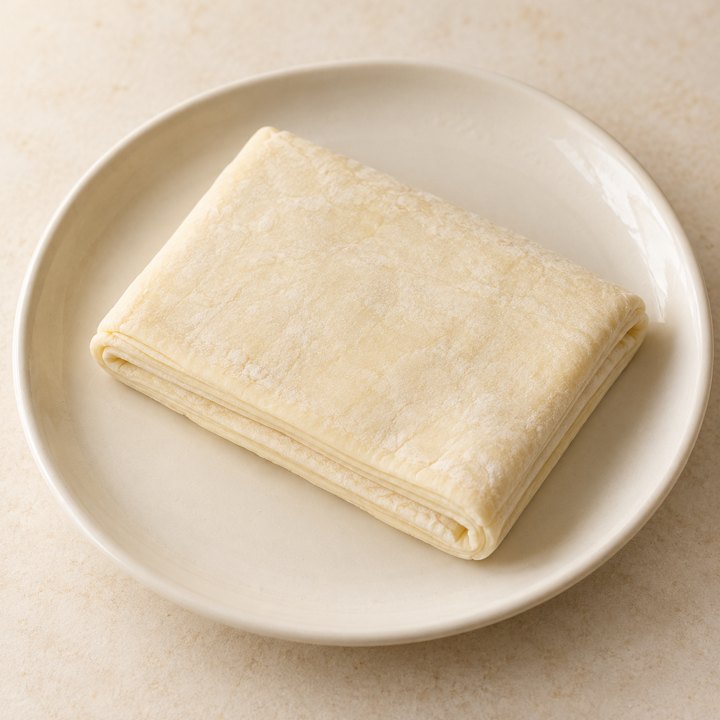
Puff pastry is laminated dough that expands into many layers during baking. It differs from filo, which relies on separately stacked thin sheets.
What it is and names used in Pakistan
Puff pastry is laminated dough that expands into many layers during baking. It differs from filo, which relies on separately stacked thin sheets.
Origin and historical context
Laminated pastry developed through European baking traditions, with debated invention stories. Modern commercial puff pastry is a standardised baking product.
Types, manufacture and buying
Dough and a slab of fat are repeatedly folded and rolled. Butter, margarine and mixed-fat versions differ in flavour, cost and dietary suitability.
Determine whether the product is raw, part-cooked or ready to eat and whether it needs refrigeration or freezing. Similar-looking pastry can contain butter, margarine, shortening or a blend, affecting flavour and dietary suitability. Inspect wheat, milk, egg and nut statements rather than assuming a plain appearance means a short ingredient list. Choose a pack size that can be used without repeated thawing. Frozen pastry should feel properly frozen when bought, and damaged packaging or evidence of repeated temperature changes can signal poorer quality.
Reference: King Arthur Baking: Classic puff pastry lamination.
Production, trade and the Pakistani pantry
Pakistan has local frozen-pastry production and bakery supply chains; imported butter pastry is another option.
Cooking uses and practical substitutions
For patties, cut chilled pastry with a sharp blade and avoid crushing the edges. Chill shaped pieces before baking if the fat becomes soft. Filo can encase a filling but creates a different crust and handling process.
Set out the filling and equipment before exposing delicate dough to the air. Keep portions covered and work in small batches so the pastry neither dries out nor becomes excessively warm. Moist fillings should normally be cooled before contact with raw pastry, and excess liquid should be drained. Measure added fat rather than saturating every layer automatically. Follow the product’s intended cooking method and oven temperature; appearance alone can conceal a damp or raw centre. For syrup desserts, follow the recipe’s temperature instructions so the final texture is controlled.
Nutrition, benefits and limitations
Pastry is commonly a source of refined carbohydrate, and many versions also contain a substantial amount of fat. Butter or some shortenings can raise saturated-fat intake, while syrup and sweet fillings add sugar. Plain pastry is not nutritionally identical to the completed dessert: nuts, dairy, meat or vegetables change the final meal. A smaller portion with fruit or another less rich accompaniment can be satisfying without requiring a health claim. Baking does not automatically make a pastry low-fat if fat is already incorporated in the dough or between its layers.
Wheat is usual, milk depends on the fat, and pastry can be high in saturated fat. Check shortening source for halal needs.
Practical notes and common mistakes
Puff pastry needs its fat layers to stay distinct until baking. If a sheet feels floppy and greasy, chill it before cutting or shaping. Use a sharp straight cut instead of dragging a blunt knife through the edges, and avoid sealing the cut layers with an egg wash drip. Bake on the surface and temperature specified by the recipe. A deeply coloured top can still cover a damp underside, especially under a wet filling, so allow enough heat circulation and use a suitably drained filling.
Storage and safe handling
Follow the manufacturer’s thawing instructions, usually allowing frozen dough to soften under controlled chilled conditions rather than on a hot counter. Reseal unused portions promptly when the product permits it. Once filled with meat, dairy or moist cooked vegetables, handle the assembled dish as perishable food. Cool leftovers promptly, refrigerate at 4°C or below and use within the shorter of the recipe guidance or general three-to-four-day leftover window. Dry crisp products need protection from humidity and odours. Discard mouldy or rancid pastry rather than trying to refresh it by baking.
Recipes and related pantry reading
Use the form and quantity specified in each recipe, then adjust for the concentration, salt and moisture of the product you have bought. These dishes show where the ingredient fits in a complete preparation.
For related local names and pantry ingredients, see the Pakistani ingredients and spices guide.
Names and forms used in our recipes
View the recipe names covered by this guide
- plain puff pastry
Frequently Asked Questions
Why must puff pastry stay cool before baking?
Cool handling helps keep fat and dough layers distinct for proper expansion.
Can filo replace puff pastry directly?
It can enclose some fillings, but produces a different crust and requires a different method.
Keep Exploring
Related places and stories on DailyLife.pk

How we know this
- Type Explainer
- Sources 3 (1 official/academic)
- Reviewed November 2026
- Disputed points None
