
Ingredients & Spices · The complete guide
Potato starch
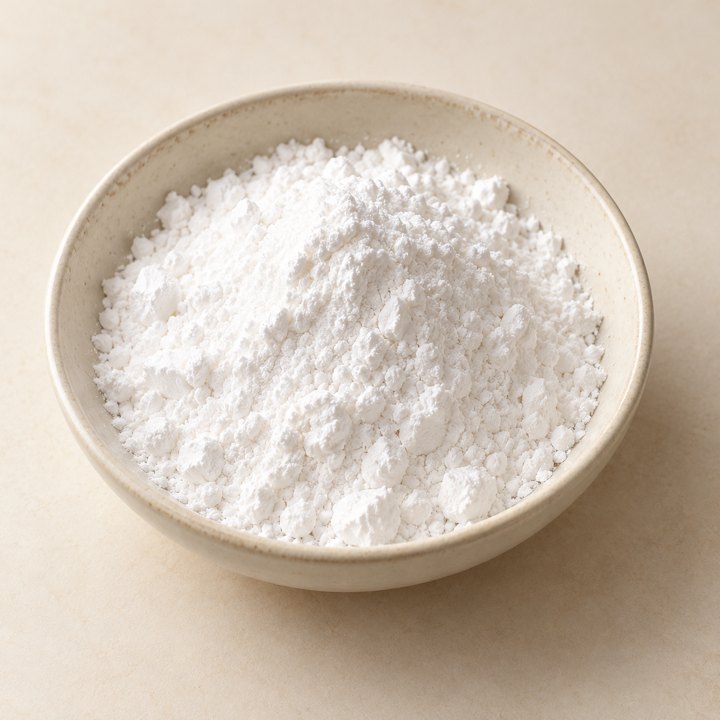
Potato starch is the purified starch extracted from potato tubers, Solanum tuberosum. It is a fine white powder and differs from potato flour, which is made from much more of the cooked or dried potato and has a stronger potato flavour.
What it is and what to buy
Potato starch is the purified starch extracted from potato tubers, Solanum tuberosum. It is a fine white powder and differs from potato flour, which is made from much more of the cooked or dried potato and has a stronger potato flavour. In Korean fried chicken, potato starch can produce a light, crisp shell. It is not instant mashed potato, and a granulated mash product cannot be substituted by matching the package’s white colour.
A cooking starch is separated from a plant’s starch-rich tissues and processed into a fine powder or pearls. It is not equivalent to grinding the entire grain, root or palm pith into a whole-food flour. When heated with water, starch granules absorb liquid and swell, thickening the mixture. The botanical source, degree of processing and any pregelatinisation influence clarity, viscosity and texture. These practical differences explain why two white powders can produce quite different sauces or coatings.
Origins and food history
The potato originated in the Andes of South America and was developed by Indigenous cultivators before spreading overseas. Kew and Oxford describe this Andean crop history. Separating starch from the tuber is a later processing technology; it should not be given the same date as the first potato cultivation. No individual discoverer is documented for the ingredient as a whole. Its modern use in Asian fried coatings reflects global adaptation of a traded crop.
Reference: Kew: potato origin.
Growing regions, trade and Pakistan
Potatoes are grown in China, India, Russia, European countries, Pakistan and many other regions. Potato-starch manufacture is a more specialised industry, with established processors in countries such as the Netherlands, Germany, Denmark and Poland as well as Asian producers. A country’s large fresh-potato harvest does not establish an equivalent starch-export rank. Pakistani retailers may stock imported or locally packed starch, so read the manufacturer and origin and confirm that the packet is starch rather than potato flour.
Reference: World Bank WITS/UN Comtrade: potato-starch trade origins.
How to prepare and cook it
For a coating, dry the food as the recipe directs and apply the measured starch evenly. Give the coating the prescribed rest so loose powder adheres rather than dropping into the oil. Fry at the recipe’s temperature in manageable batches; crowding cools the oil and produces a heavy coating. For thickening, mix a cool slurry first, add it to hot liquid and heat just enough to develop the desired body. Potato starch can lose viscosity under prolonged vigorous heat and stirring, so avoid treating it exactly like a long-cooked flour roux.
Put this form of the ingredient to work in Korean Fried Chicken. The method in each recipe determines whether it should be raw, soaked, ground, freshly cooked or chilled before it enters the dish.
Nutrition, benefits and their limits
Purified starch primarily supplies carbohydrate. It generally contributes much less protein, fibre and micronutrient variety than a wholegrain flour or pulse flour. This does not make a spoonful used to thicken a family pot nutritionally significant in the same way as a large serving used as a staple. Balance starch-based foods with protein, vegetables and other nutrient-rich ingredients. A naturally gluten-free botanical source is useful, but a retail product still needs appropriate labelling if strict gluten avoidance is required.
Allergies, disadvantages and safe handling
Raw starch is not a ready-to-eat supplement and should be cooked according to its intended use. Allergy to its source plant is possible, and mixtures may contain additional ingredients. Thickened foods still contain carbohydrate; transparency or a silky texture does not make them suitable for unlimited portions in a diabetes meal plan. Hot starch gels can hold heat and burn the mouth. Let puddings and sauces cool to a safe eating temperature, especially when serving children.
Practical substitutions
Cornstarch is a practical alternative for some fried coatings and sauces, with a different crispness and thickening strength. Tapioca starch gives another texture and can become more elastic. Potato flour is not a direct replacement. Wheat flour adds gluten and creates a more opaque, flour-based crust or sauce.
Keeping it fresh
Keep dry starch in an airtight container with a clean dry scoop. Humidity causes clumping and creates opportunities for spoilage; never return a wet measuring spoon to the packet. Check the product label for storage and best-before guidance, particularly for fresh or partially hydrated products. Once starch has been cooked into a sauce or pudding, the finished dish is perishable and needs prompt chilling. Its storage life then depends on milk, meat, vegetables and other recipe ingredients as well as the starch.
For related ingredients and shopping terms, see the Pakistani ingredients and spices pantry guide.
Names and forms used in our recipes
View the recipe names covered by this guide
- potato starch
Frequently Asked Questions
Is potato starch the same as potato flour?
No. Starch is separated from the tuber, while potato flour retains more of the potato and behaves differently.
Why did a starch-thickened sauce thin again?
Prolonged heat, strong stirring and the recipe’s acidity can affect starch viscosity. Add the slurry at the appropriate stage and avoid unnecessary hard boiling.
Keep Exploring
Related places and stories on DailyLife.pk

How we know this
- Type Explainer
- Sources 5 (4 official/academic)
- Reviewed November 2026
- Disputed points None
