
Ingredients & Spices · The complete guide
Pomegranate molasses
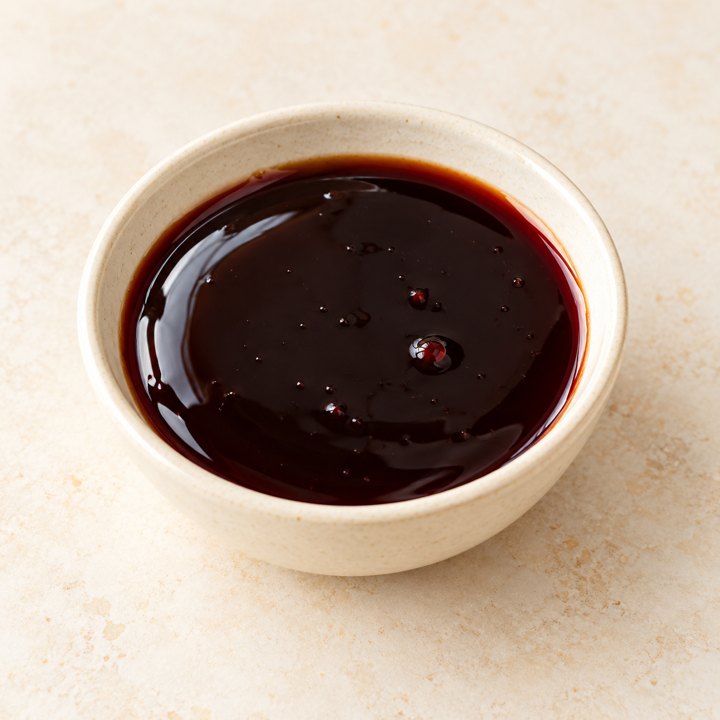
Pomegranate molasses is a thick sour-sweet reduction of pomegranate juice, called anar molasses or nar ekşisi in some markets. It is not sugarcane molasses.
What it is and names used in Pakistan
Pomegranate molasses is a thick sour-sweet reduction of pomegranate juice, called anar molasses or nar ekşisi in some markets. It is not sugarcane molasses.
Origin and historical context
It belongs to West Asian and eastern Mediterranean preserving and seasoning traditions, where tart fruit reductions season savoury foods.
Types, manufacture and buying
Juice is concentrated by evaporation. Some bottles contain only pomegranate, while others add sugar, glucose syrup or acid; concentrated pomegranate sauce may not be identical to pure molasses.
Read the first few ingredients to understand what supplies most of the sauce’s body: vegetables, water, sugar, oil, fermented paste or starch. Compare a regular serving rather than only the front-label claims. A product described as mild, natural or premium can still be salty or sweet. Heat ratings and thickness are not standardised across all manufacturers, so opening a new brand is a good time to taste cautiously. Small packs can be useful when an unfamiliar sauce will only be used occasionally.
Reference: Türkiye Ministry of Culture: Winter preserving and pepper paste.
Product reference: Türkiye Ministry of Agriculture: Nar ekşisi and pomegranate sauces.
Production, trade and the Pakistani pantry
Türkiye, Iran and Levantine countries have production traditions; Pakistani specialty retailers commonly sell imported bottles.
Cooking uses and practical substitutions
Use a little in dressings, glazes or kebab marinades. Avoid heavy early application over fierce heat. Reduced pomegranate juice or a careful blend of lemon and sweetener approximates sourness and sweetness.
Measure concentrated sauce into a small bowl before adding it to a hot pan. This helps control the quantity and avoids pouring steam or splashes back into the bottle. Start with less than expected, then taste the complete mixture because salt, sweetness and acidity interact with other ingredients. Sugary sauces need particular care over direct heat: a glossy coating can darken quickly and turn bitter. Add water or another recipe liquid in small amounts if a paste needs loosening. Use a fresh spoon for tasting and a clean utensil for the storage container.
Nutrition, benefits and limitations
Fruit molasses is a concentrated flavouring, not a nutritionally equivalent serving of whole fruit. Evaporation concentrates sugars and acids while removing water, and commercial products may add further sweeteners. A small amount can make a dressing or glaze vivid, but larger quantities can contribute significant sugar. The presence of fruit compounds does not establish disease-prevention or treatment benefits for the finished syrup. It contains little protein and typically little fibre compared with intact fruit. Read the ingredient list to distinguish pure reduced juice from a sweetened flavoured sauce.
Its concentration means small amounts may add considerable sugar. It should not be marketed as a treatment based on pomegranate research.
Practical notes and common mistakes
Taste pomegranate molasses before measuring it into a dressing: some bottles are intensely tart while others taste more like sweet syrup. Balance it first with the oil and other acid in a small bowl, then add to the salad or meat. Türkiye’s agriculture ministry distinguishes pure nar ekşisi from similarly presented sweetened sauces in its food-code explanation, which illustrates why the ingredient list matters. In a marinade, a little can bring colour and depth, while a heavy sugary coating scorches easily over fierce direct heat.
Storage and safe handling
Keep unopened products as the manufacturer directs and check that the seal is intact. After opening, follow refrigeration and use-within instructions; shelf stability before opening does not guarantee the same storage afterwards. Write the opening date on an infrequently used jar. Keep the rim clean and avoid returning sauce that has touched raw meat to the container. Discard products with mould, an unexpectedly swollen pack or other clear deterioration. Homemade adaptations should be refrigerated and made in modest batches unless a properly tested preservation method is followed.
Recipes and related pantry reading
Use the form and quantity specified in each recipe, then adjust for the concentration, salt and moisture of the product you have bought. These dishes show where the ingredient fits in a complete preparation.
For related local names and pantry ingredients, see the Pakistani ingredients and spices guide.
Names and forms used in our recipes
View the recipe names covered by this guide
- pomegranate molasses
Frequently Asked Questions
Is pomegranate molasses sugarcane molasses?
No. It is a concentrated pomegranate preparation with a sour-sweet character.
Are all bottles pure reduced pomegranate juice?
No. Some sauces include added sweeteners or acids; inspect ingredients and product description.
Keep Exploring
Related places and stories on DailyLife.pk

How we know this
- Type Explainer
- Sources 3 (1 official/academic)
- Reviewed November 2026
- Disputed points None
