
Ingredients & Spices · The complete guide
Peach
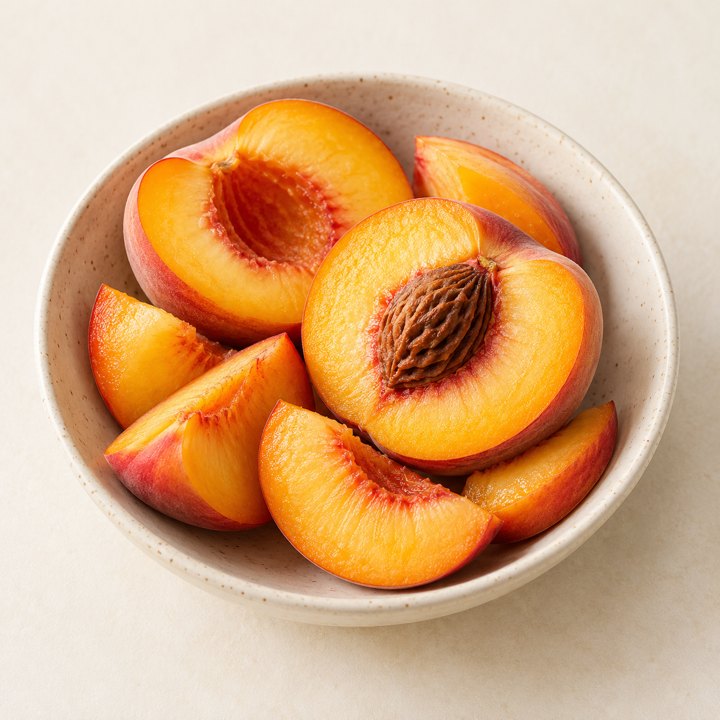
Peach is Prunus persica, called aaroo; a fuzzy-skinned stone fruit, with nectarine a smooth-skinned form. Its eating character is juicy, perfumed and sweet-tart, with delicate ripe flesh.
What is peach? Names, flavour and types
Peach is Prunus persica, called aaroo; a fuzzy-skinned stone fruit, with nectarine a smooth-skinned form. Its eating character is juicy, perfumed and sweet-tart, with delicate ripe flesh.
The main forms to recognise are yellow- and white-fleshed peaches, freestone and clingstone types, flat peaches and nectarines. Choose the form and ripeness specified by the recipe.
Origins, cultivation and the Pakistan market
Domesticated in China thousands of years ago and carried west through trade; its scientific name reflects a later Persian association. The relevant botanical or crop background is documented in Prunus persica (L.) Batsch | Plants of the World Online | Kew Science.
Growing conditions and producing countries: Temperate orchards need cultivar-appropriate winter chilling; China, Spain, Italy, Türkiye and the United States produce peaches. Northern orchard areas supply seasonal fruit; canning provides a different texture outside the fresh season. Fresh fruit, frozen pulp, dried fruit and juice are separate commercial products. Where a pack provides an origin label, use it to identify that batch rather than assuming the seller’s address is the growing country. Seasonal locally grown fruit often offers better ripeness than fruit chosen mainly for long transport.

How to prepare, cook and substitute it
Slice ripe fruit for dessert, poach firm peaches or cook a compote. Blanch briefly and cool to loosen skin when a smooth filling is required
The names describe how readily the flesh separates from the stone. A freestone peach is convenient for clean slices, while a clingstone fruit may require cutting the flesh away in sections. Both can be sweet and fragrant when ripe; the term is not a quality ranking. For a smooth purée, skin and stone removal matter more than the exact shape of the pieces. For a tart or salad, choose a ripe but firm fruit that will hold a neat slice rather than collapse under the knife.
Match the ripeness to the job. A fruit that is excellent for eating immediately can be too soft for neat cubes, while a firmer specimen may work better in a salad or cooked filling. Wash the outside before cutting even when the peel will be removed, so the knife does not carry surface dirt into the flesh. Prepare the edible portion before measuring recipe weight when the ingredient list specifies flesh. Add delicate ripe pieces gently and close to serving if they would otherwise break down in a mixed dish.
A useful starting substitute is nectarine for the closest fresh substitute, apricot for a tarter cooked filling. Adjust the recipe for the replacement’s texture and moisture.
Buying and storing it well
Look for fruit with a pleasant aroma and gentle yielding; avoid wet bruises and fermented patches. Buy an amount that can be used while its texture is still suitable for the intended dish. Trim away ordinary damaged portions where appropriate, but reject a product showing active decay or an abnormal smell rather than hiding it in a strongly spiced preparation.
For storage, ripen firm mature peaches at room temperature; refrigerate when ripe. Keep prepared portions separate from unwashed produce and raw animal foods. Use a clean covered container for cut or cooked food, and label frozen portions so the oldest batch is used first. The condition at purchase, kitchen temperature and packaging all affect keeping quality; a fixed number of days is not a guarantee of safety.
Nutrition, benefits and practical cautions
The nutritional contribution is water, fibre and modest vitamin C and carotenoids. USDA FoodData Central distinguishes raw, cooked, dried and processed forms. Recipe totals must also account for added oil, cream, sugar or syrup.
Remove the stone; do not crush or eat kernels; peach allergy can be serious for some people. Its role in a balanced meal depends on portion size and preparation. Whole foods and concentrated supplements are different products and should not be treated as interchangeable.
Recipes using peach
Use the linked recipes to match preparation to the finished dish. Check whether the ingredient quantity means whole purchased weight, peeled edible weight, drained weight or a cooked portion before shopping. This is especially helpful when a recipe needs a thick filling or a carefully balanced drink.
For related Urdu names, pantry ingredients and cooking combinations, see the Pakistani ingredients and spices guide.
Names and forms used in our recipes
View the recipe names covered by this guide
- peach flesh
Frequently Asked Questions
What is the difference between freestone and clingstone peaches?
The names describe how readily the flesh separates from the stone. A freestone peach is convenient for clean slices, while a clingstone fruit may require cutting the flesh away in sections. Both can be sweet and fragrant when ripe; the term is not a quality ranking. For a smooth purée, skin and stone removal matter more than the exact shape of the pieces. For a tart or salad, choose a ripe but firm fruit that will hold a neat slice rather than collapse under the knife.
How should I store peach?
Ripen firm mature peaches at room temperature; refrigerate when ripe.
What should I consider before serving peach?
Remove the stone; do not crush or eat kernels; peach allergy can be serious for some people.
Keep Exploring
Related places and stories on DailyLife.pk

How we know this
- Type Explainer
- Sources 5 (2 official/academic)
- Reviewed November 2026
- Disputed points None
5 sources
Photo credits (1)
- I-11 Sabze Mande, Islamabad.jpg, Pakieditor, CC BY-SA 4.0, via Wikimedia Commons
