
Ingredients & Spices · The complete guide
Pav bhaji masala
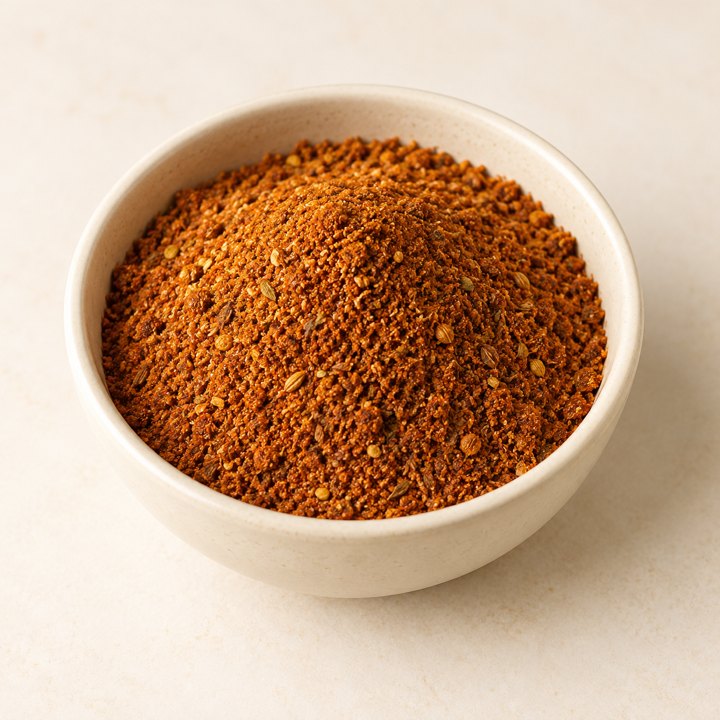
Pav bhaji masala is a warm, tangy spice blend designed for the mashed vegetable dish served with bread. Common ingredients include coriander, cumin, chilli, amchur and aromatic spices, but commercial formulas vary.
What it is and names to know
Pav bhaji masala is a warm, tangy spice blend designed for the mashed vegetable dish served with bread. Common ingredients include coriander, cumin, chilli, amchur and aromatic spices, but commercial formulas vary.
Origins, producing regions and Pakistan context
The blend is linked to the evolving Mumbai pav bhaji tradition. Stories about the first street vendor or exact invention date should not be repeated as fact without historical documentation.
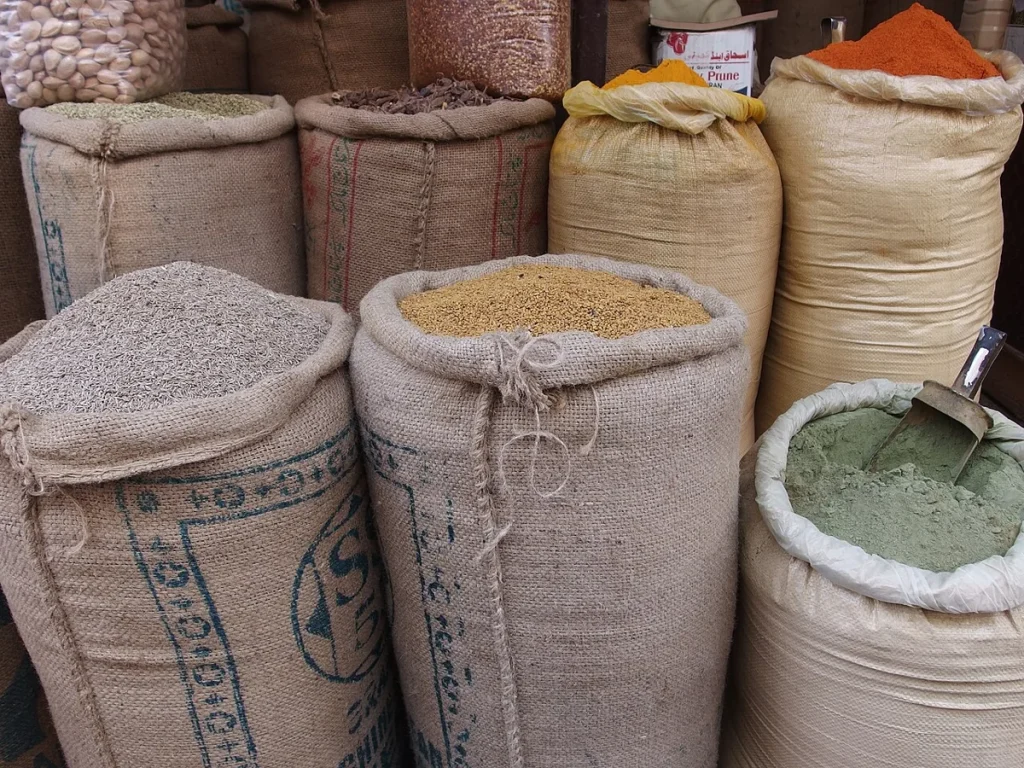
India is a prominent manufacturing source, with blends also made or repacked elsewhere, including Pakistan. The component spices may be grown in several countries. The finished blend can be exported separately from its raw ingredients and imported for retail sale. A Pakistan-made pack and an imported finished masala can therefore have similar recipes but different supply chains.
Background: Spices Board: crop and ingredient reference.
Types and buying advice
Compare acidity, chilli and salt in the formula. A complete instant pav bhaji mix may include ingredients beyond the spice blend.
How to cook with it
Fry briefly with a cooked onion-tomato base, then combine with mashed potato, peas and other vegetables. Add enough water to let the spices disperse while the bhaji simmers.
Taste after adding the blend before adjusting lemon, chilli or salt. Many blends already contain souring ingredients, so extra lemon is best treated as a finishing adjustment.
Mash and simmer the vegetables enough for the powder to integrate rather than sprinkling a large dry spoonful over the finished bhaji. Different vegetable combinations change sweetness and acidity, so adjust lemon only after tasting the cooked mixture. A packet may specify its own dose, but a small test portion is useful when trying a new brand. Bread, butter and garnish belong to the whole serving; the masala alone does not determine how rich or salty the meal becomes.
Try the ingredient in Pav Bhaji. Follow each recipes specified form and quantity, since whole pieces and fine powder season food differently.
For related pantry ingredients, see the Pakistani ingredients and spices guide.
For an initial trial, stir the blend into a small pan of cooked mashed vegetables rather than seasoning the entire batch immediately. Add a little water so it simmers through, then taste with the bread and garnish that will accompany it. This complete serving can taste saltier or richer than the vegetables alone, especially when the bread is buttered or the masala already contains salt.
Nutrition and realistic benefits
A blend takes its nutritional composition from the specific ingredients and their proportions. At normal seasoning quantities it is primarily a flavouring, not a substantial source of protein or vitamins. The most useful label details are often sodium, allergens and added ingredients rather than claims about antioxidants. If a blend improves a simple vegetable or lentil dish, that benefit comes through the completed meal. It does not cancel a large amount of salt, butter or frying oil.
Disadvantages and precautions
Read for salt, added ingredients and allergens. The vegetables in pav bhaji supply the dietary bulk; the masala cannot compensate for excessive butter or salt.
Dry spices are not sterile foods. FDA food-safety guidance explains practical handling. Buying from a traceable food supplier is more dependable than trying to judge safety from appearance alone.
Substitutions and storage
Use a little coriander, cumin, mild chilli, amchur and a restrained pinch of garam masala. This is a practical approximation rather than an exact branded copy.
Close the pack promptly and store it cool, dry and away from light. A mixture is only as fresh as its most vulnerable component; ground spices lose aroma, and oily seeds can develop stale flavours. Use a dry spoon, label homemade blends with the date and ingredients, and make a small batch first. Follow any packet instruction to refrigerate after opening. Do not mix a fresh batch into a damp or dirty container, and discard mouldy or musty seasoning.
Names and forms used in our recipes
View the recipe names covered by this guide
- pav bhaji masala
Frequently Asked Questions
Should pav bhaji masala be cooked into the vegetables?
Mash and simmer the vegetables enough for the powder to integrate rather than sprinkling a large dry spoonful over the finished bhaji. Different vegetable combinations change sweetness and acidity, so adjust lemon only after tasting the cooked mixture.
What can I use instead of pav bhaji masala?
Use a little coriander, cumin, mild chilli, amchur and a restrained pinch of garam masala. This is a practical approximation rather than an exact branded copy.
What is the main caution with pav bhaji masala?
Read for salt, added ingredients and allergens. The vegetables in pav bhaji supply the dietary bulk; the masala cannot compensate for excessive butter or salt.
Keep Exploring
Related places and stories on DailyLife.pk

How we know this
- Type Explainer
- Sources 3 (1 official/academic)
- Reviewed November 2026
- Disputed points None
3 sources
Photo credits (1)
- Spice market @ Walled City @ Lahore (15449651456).jpg, Guilhem Vellut from Annecy, France, CC BY 2.0, via Wikimedia Commons
