
Ingredients & Spices · The complete guide
Pasta
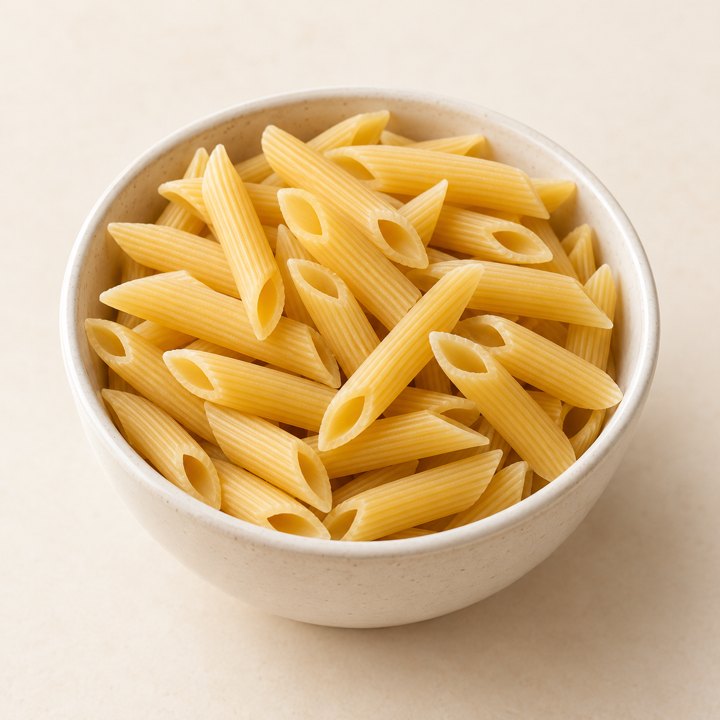
Pasta is a broad category of shaped flour dough, commonly durum-wheat semolina and water in dried commercial forms. Macaroni, spaghetti and penne are different shapes, not different crops.
What it is and names used in Pakistan
Pasta is a broad category of shaped flour dough, commonly durum-wheat semolina and water in dried commercial forms. Macaroni, spaghetti and penne are different shapes, not different crops.
Origin and historical context
Pasta has a long documented Mediterranean history. The familiar claim that Marco Polo introduced all pasta to Italy oversimplifies earlier evidence.
Types, manufacture and buying
Dough is mixed, extruded or rolled, shaped and dried under controlled conditions. Egg, wholegrain, pulse-based and gluten-free pastas have different textures and cooking requirements.
Identify whether the pack is dry, fresh, precooked or instant before planning the recipe. These forms can look similar after cooking but have quite different preparation requirements. Check strand thickness, ingredient list and any separate seasoning sachets. A plain noodle can be comparatively simple while its accompanying powder introduces salt, sugar, milk or seafood ingredients. Where egg content or gluten matters, use explicit ingredient and allergen information rather than relying on the product’s yellow colour or an informal shop description.
Reference: Barilla Group: Pasta manufacture and international production history.
Production, trade and the Pakistani pantry
Italy has a strong pasta industry; Pakistan also manufactures dried pasta, while wheat and semolina move through separate international supply chains.
Cooking uses and practical substitutions
Match shapes to sauce: ridges catch thick sauces, while long strands suit lighter coatings. Cook until just tender with a resilient centre. Wheat noodles can replace pasta in some soups, but may soften faster.
Use enough space for strands to separate and stir gently early in cooking. Test the texture rather than assuming every brand follows the same minute count. Noodles that will finish in a hot sauce or soup should generally be slightly firmer at the first stage. Drain thoroughly for stir-fried fillings so water does not dilute seasoning. For a clearer soup, cooking noodles separately can keep loose starch out of the broth. Cut exceptionally long strands only when the dish benefits from easier portioning; avoid crushing a dry block into uneven fragments unless intended.
Nutrition, benefits and limitations
Most plain noodles are primarily a carbohydrate food, with protein and fibre determined by the flour and any added egg or pulses. They do not become a complete balanced meal simply because a packet includes vegetable flavouring. Pair them with a meaningful portion of vegetables and a protein source such as lentils, tofu, chicken, fish or eggs as appropriate. Added oil and concentrated sauces can contribute more fat and sodium than the plain strands. Compare nutrition on the same basis, since dry weights and cooked weights differ greatly after water absorption.
Standard pasta contains gluten. Pulse-based or gluten-free alternatives have different allergens and do not share identical nutritional values.
Practical notes and common mistakes
Pasta shape affects the way the same sauce eats. A thin oil-based sauce can coat strands lightly, while a chunky vegetable or meat sauce may be easier to serve with short shapes that catch pieces. For a baked dish, cook only to the stage needed before its oven time, because hydration continues. Reserve some cooking liquid before draining when the sauce may need loosening. Adding oil to the cooked pasta can make a sauce cling differently, so use it deliberately rather than automatically.
Storage and safe handling
Store dry noodles sealed in a cool dry cupboard, protected from insects and moisture. Fresh and chilled precooked noodles need the refrigeration stated on the pack; vacuum-packing does not necessarily mean shelf stability. Cool cooked leftovers promptly in shallow containers and refrigerate at 4°C or below. General leftover guidance is three to four days, but follow any shorter packet instruction. Freeze portions if appropriate for the product rather than keeping a large cooked batch warm for repeated meals. Reheat thoroughly; heating does not undo every hazard created by poor temperature control.
Recipes and related pantry reading
Use the form and quantity specified in each recipe, then adjust for the concentration, salt and moisture of the product you have bought. These dishes show where the ingredient fits in a complete preparation.
For related local names and pantry ingredients, see the Pakistani ingredients and spices guide.
Names and forms used in our recipes
View the recipe names covered by this guide
- dried pasta
Frequently Asked Questions
Did Marco Polo introduce all pasta to Italy?
That familiar story oversimplifies evidence of earlier Mediterranean pasta traditions.
Does pasta shape matter?
Yes. Size, ridges and cavities affect how the pasta carries sauce and how quickly it cooks.
Keep Exploring
Related places and stories on DailyLife.pk

How we know this
- Type Explainer
- Sources 3 (1 official/academic)
- Reviewed November 2026
- Disputed points None
