
Ingredients & Spices · The complete guide
Orange juice
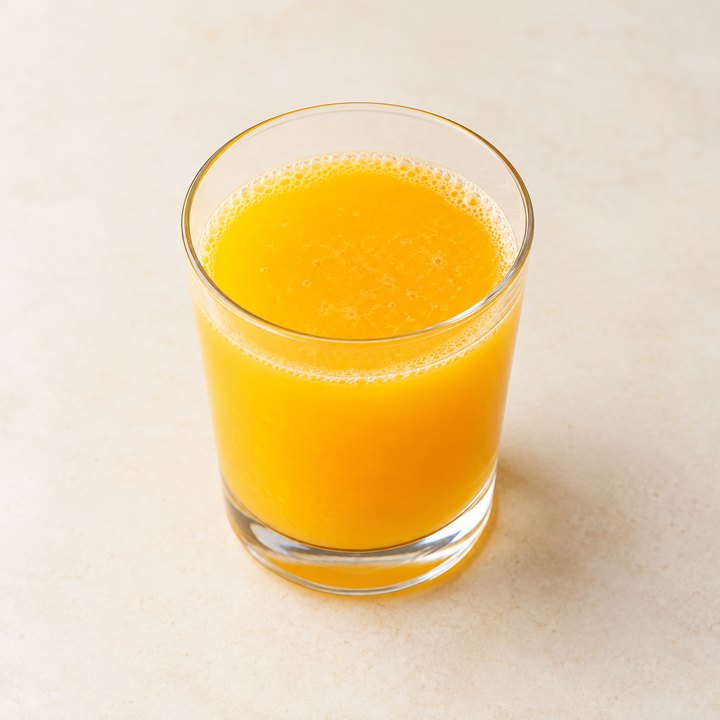
Orange juice is liquid expressed from oranges, called malta or orange ka juice in Pakistani usage depending on the fruit and market. It may be sold with or without pulp.
What it is and local names
Orange juice is liquid expressed from oranges, called malta or orange ka juice in Pakistani usage depending on the fruit and market. It may be sold with or without pulp. Kinnow juice, orange nectar and orange squash are related but different ingredients.
Origins and documented history
Citrus cultivation and juice pressing long predate modern packaged juice. USDA records frozen concentrated orange juice as a Florida Department of Citrus development in 1945, with its patent given to the US government in 1948. That is a documented processing milestone, not the first squeezed orange.
Reference: USDA NASS: History of frozen concentrated orange juice.
Types and manufacture
Washed fruit is extracted, with peel oil, seeds and pulp controlled during processing. Juice may be pasteurized, chilled, frozen as concentrate or reconstituted for packing. From-concentrate describes processing, not necessarily the presence of added sugar.
Reference: FAO: Citrus juice processing.
Production, trade and Pakistan
Brazil and the United States have established orange-processing industries, while many Mediterranean and other countries grow citrus. Pakistan is known for citrus including kinnow, especially in Punjab. Imported orange juice and local kinnow products should not be presented as identical.
Reference: USDA FAS: Citrus, world markets and trade, July 2024; Government of Punjab: Citrus overview.
How to use it
Use in drinks, cakes, marinades and sauces where citrus acidity is intended. Taste before adding sugar and reduce gently if making a glaze. Do not add casually to hot milk: acid can curdle dairy. Peel zest supplies aroma with much less liquid.
Nutrition, benefits and limits
It can provide vitamin C and other nutrients, with amounts affected by processing and storage. It contains natural sugars and far less intact fibre than whole oranges. Fortified calcium or vitamin content is a product-specific label matter.
Drawbacks, allergens and precautions
Choose treated juice for vulnerable people. Freshly squeezed juice can carry microorganisms from fruit surfaces. Citrus allergy or acid sensitivity can matter, and a sour taste does not establish microbiological safety.
Substitutions and storage
Kinnow or mandarin juice gives a related but distinct flavour. A mix of water, a little citrus juice and zest can replace moisture and aroma in a sauce only after tasting. Orange syrup is usually too sweet for an equal-volume swap.
Refrigerate opened juice as directed and protect from repeated warm holding. Freeze measured portions for cooking. Use clean containers and reject fermentation, mould or uncertain handling.
Buying the right juice
Compare the ingredient list with the front label. A product sold as a fruit drink, nectar or squash can contain added water and sugar, whereas a juice concentrate needs the stated dilution before it behaves like ordinary juice. Clear and cloudy juices are different kitchen ingredients: suspended pulp adds body, can cloud a jelly and may settle during storage. For a recipe that needs transparency, use the specified clear product rather than straining a thick nectar and assuming it has become equivalent.
Working with sweetness and acidity
Taste the juice before adding sugar to a sauce or dessert. A reduction concentrates both sugar and fruit acids, so a pleasant drink can become sharply sweet when boiled down. Use a small pan and gentle heat for a measured reduction, then cool a sample before judging its thickness. When adding juice to a milk preparation, test a spoonful first: the acid can curdle milk. To make fruit ice, allow room in the container for expansion and expect the frozen flavour to seem less sweet.
Nutrition and handling in context
Juice is useful for flavour, moisture and some fruit nutrients, but removing the fruit structure usually leaves much less fibre than eating the whole fruit. Even a product without added sugar contains naturally occurring sugars. Treat a glass as a portion of juice rather than an unlimited substitute for water. Pasteurization or another validated treatment addresses microorganisms; it does not turn a sweet drink into a low-sugar food. Refrigerate opened juice as directed, pour into a clean glass, and avoid returning unused liquid to the carton.
Choosing a substitution by function
Before replacing a juice, identify whether it supplies fruit flavour, acidity, sweetness or a soaking liquid. Water can replace moisture but removes the fruit character; a different fruit juice changes acidity and colour as well. A clear juice is usually easier to substitute in a clear gel than a pulpy one. In a savoury glaze, reduce the added sweetener first and taste after cooking. Do not assume that a syrup, cordial or concentrated extract can replace juice in equal volume. Read its dilution instructions and consider the extra sugar it would bring.
Recipes and the Pakistani pantry
Use this ingredient in Mixed Fruit Juice, Fruit Trifle. Explore related ingredients in the Pakistani ingredients and spices pantry.
Names and forms used in our recipes
View the recipe names covered by this guide
- orange juice
- pasteurized orange juice
Frequently Asked Questions
What should I check when buying orange juice?
Check 100% juice versus nectar or squash, treatment, and pulp level. Kinnow juice has a related but distinct flavour.
What can replace orange juice in a recipe?
Kinnow or mandarin juice gives a related but distinct flavour. A mix of water, a little citrus juice and zest can replace moisture and aroma in a sauce only after tasting.
How should orange juice be stored?
Refrigerate opened juice as directed and protect from repeated warm holding. Freeze measured portions for cooking.
Keep Exploring
Related places and stories on DailyLife.pk

How we know this
- Type Explainer
- Sources 7 (5 official/academic)
- Reviewed November 2026
- Disputed points None
