
Ingredients & Spices · The complete guide
Olive oil
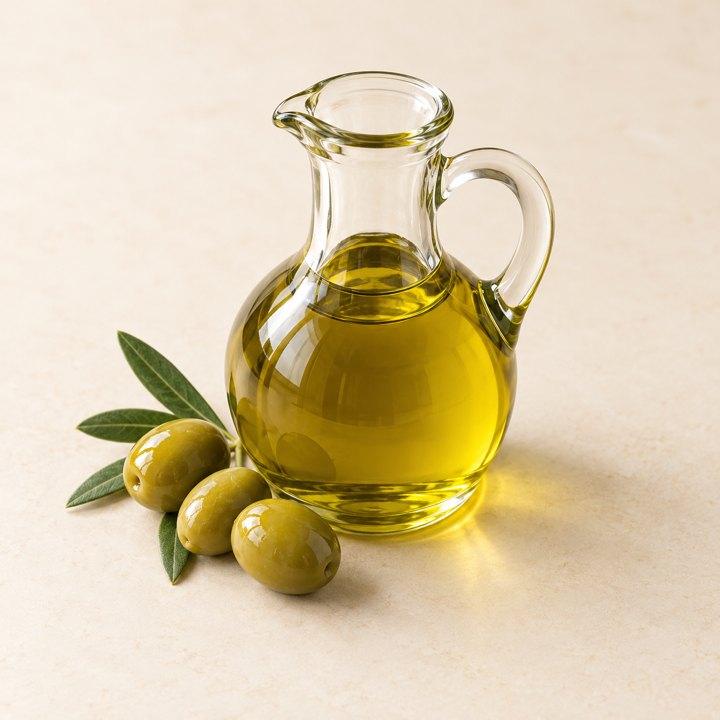
Olive oil is extracted from the fruit of the olive tree. Extra virgin is a defined quality category of mechanically obtained virgin oil, while refined olive oil and olive-pomace oil are different products.
What it is and what to ask for
Olive oil is extracted from the fruit of the olive tree. Extra virgin is a defined quality category of mechanically obtained virgin oil, while refined olive oil and olive-pomace oil are different products.
Look for a clear grade, producer or bottler, origin information and protection from heat and light. Bottled in a country is not always the same as grown and pressed there.
History, production and the Pakistan context
Olive cultivation and pressing have a long Mediterranean history. Modern grade standards formalised quality categories; no single person discovered olive oil for all the societies that used it.
Spain, Italy, Greece, Türkiye, Tunisia and Morocco produce olive oil. Pakistan has developing olive-growing and processing activity, but a local brand name alone does not prove local fruit origin.
How to use it successfully
Use an aromatic extra virgin oil for hummus or finishing pizza; choose a mild product where the flavour should recede. Extra virgin oil can be used for ordinary cooking, but avoid overheating any oil until it smokes.
A peppery or pleasantly bitter sensation can occur in fresh extra virgin oil; a stale cardboard or rancid flavour is different. Buy a bottle appropriate to household use and keep it away from a hot stove. Harvest or best-before information can help with stock rotation, while a decorative clear bottle offers little protection from strong light.
Nutrition, benefits and limits
Olive oil is rich in monounsaturated fat and fits many healthy dietary patterns. It remains concentrated fat and should not be marketed as a detox treatment or an unlimited-dose medicine.
Choosing a replacement
A mild neutral oil replaces the cooking function but not the fruity flavour. For an uncooked dip, another suitable flavourful oil changes the result and should be used intentionally.
When changing a cooking fat, compare flavour, water content, solidity and the method of heating. Preserve the recipe’s functional balance rather than only the apparent spoonful size. A substitute should meet the household’s actual dietary requirement, and its own food-grade and storage instructions remain relevant even when the quantity is small.
Safe handling and storage
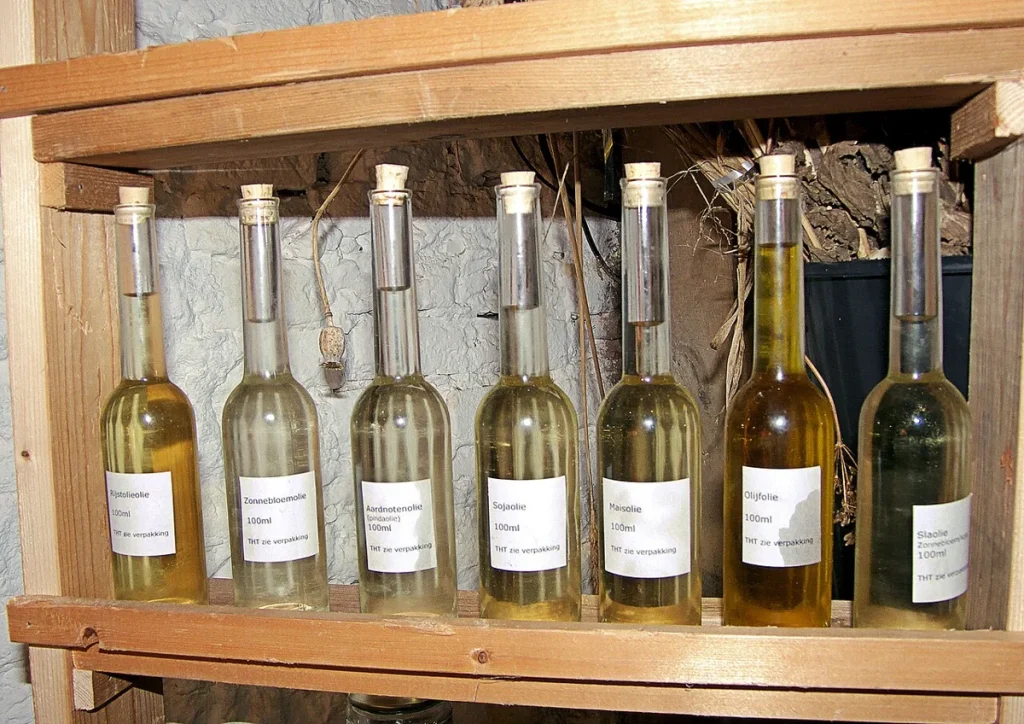
Choose a sealed food-grade product and store it away from heat, light and damp according to the producer. Keep the bottle capped and use a clean dry measure. A small bottle is often more practical for a specialty finishing oil than a large cheap bottle that remains open long after its aroma has faded.
Refining, roasting and extraction influence flavour and heating suitability. Follow the actual product guidance instead of assigning one smoke point to every oil with the same plant name. Avoid visible smoking and do not regard a smoking step as a method to remove toxins or make a non-food oil edible. Oil used with wet ingredients also needs different preservation precautions from a plain dry bottled oil.
All cooking oils supply concentrated energy. Their fatty-acid profiles differ, but a switch from one oil to another should be considered within the whole diet and the quantity used. Extracted oil does not retain the fibre and protein of the original seed or nut. For allergy, check the source and processing; a culinary oil should not be assumed safe merely because it looks clear. Discard rancid oil rather than attempting to hide stale flavours with spices.
Planning, portions and serving
In hummus, some oil may be blended in while another small portion finishes the bowl. Keeping those quantities distinct helps control both texture and total richness. For pizza, add a finishing drizzle after assessing the cheese and toppings, which may already supply enough fat. An extra virgin product's aroma is easier to notice in simple dishes than beneath very strong seasoning, so reserve the most distinctive bottle for a use that benefits from it.
Recipes and pantry links
Use olive oil according to the form specified in the linked recipe: raw versus cooked, bone-in versus boneless, sweetened versus plain, and the stated cut or processing style all affect the result. The ingredient discussion above explains which differences matter most here. Read the complete recipe before shopping, then measure the prepared usable quantity rather than assuming every package has the same yield.
For related ingredient names, local terminology and flavour pairings, browse the Pakistani ingredients and spices pantry guide.
Names and forms used in our recipes
View the recipe names covered by this guide
- extra virgin olive oil
- extra-virgin olive oil
- olive oil
Frequently Asked Questions
Does bottled in Italy prove Italian-grown olives?
No. Bottling location and fruit origin can differ. Read the origin and grade information, and choose a traceable product rather than inferring the entire supply chain from a national design on the label.
What should I check before buying olive oil for these recipes?
Look for a clear grade, producer or bottler, origin information and protection from heat and light. Bottled in a country is not always the same as grown and pressed there. Match the stated plain or flavoured form and read the storage directions before opening the pack.
What is a practical substitute for olive oil?
A mild neutral oil replaces the cooking function but not the fruity flavour. For an uncooked dip, another suitable flavourful oil changes the result and should be used intentionally. Make a small test where binding, melting or a delicate final texture is central, and adjust the recipe rather than treating different ingredients as identical.
Keep Exploring
Related places and stories on DailyLife.pk

How we know this
- Type Explainer
- Sources 5 (3 official/academic)
- Reviewed November 2026
- Disputed points None
5 sources
Photo credits (1)
- Vegetable oils, plantaardige oliën.jpg, Rasbak, CC BY-SA 3.0, via Wikimedia Commons
