
Ingredients & Spices · The complete guide
Milk powder
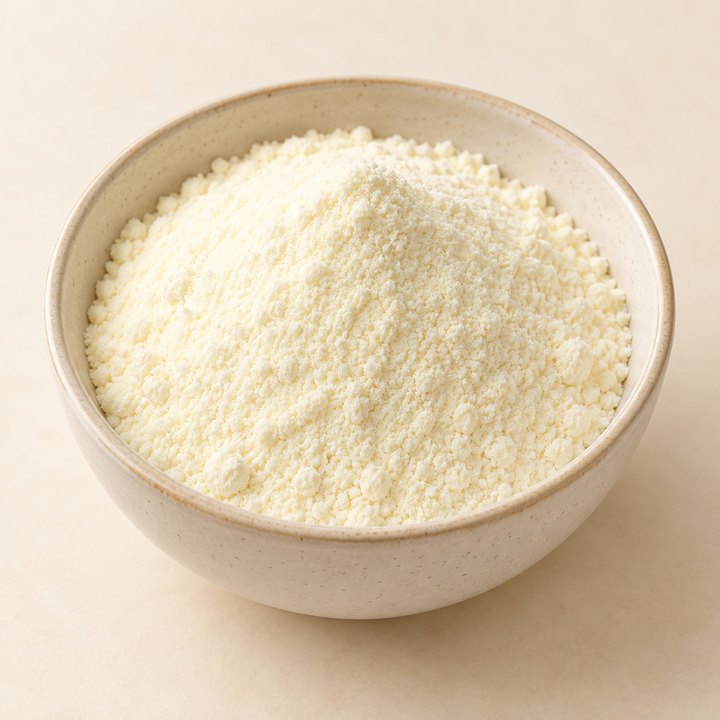
Milk powder is milk dried to remove most water. Whole-milk powder, skimmed powder and instant powder have different fat and dispersal properties; dairy whiteners may be formulated products rather than plain dried milk.
What it is and what to ask for
Milk powder is milk dried to remove most water. Whole-milk powder, skimmed powder and instant powder have different fat and dispersal properties; dairy whiteners may be formulated products rather than plain dried milk.
Read whether it contains only milk or added sugar, vegetable fat and flavouring. Keep the scoop dry because moisture introduces clumping and reduces keeping quality.
History, production and the Pakistan context
Drying milk enabled longer storage and easier transport. Modern spray drying produces particles designed for consistent reconstitution, extending older efforts to preserve dairy by concentration.
New Zealand, European countries and the United States produce traded milk powders, while Pakistan also manufactures and imports dairy ingredients. Check the actual product rather than treating every tea whitener as milk powder.
How to use it successfully
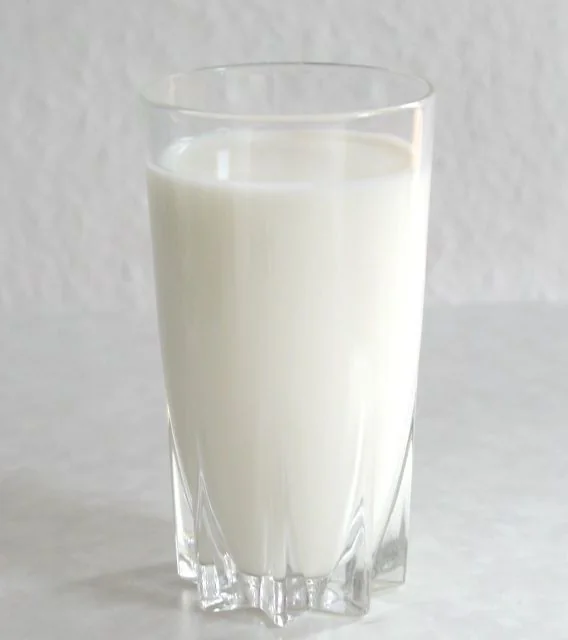
For sweets, add powder gradually and watch for lumps or scorching. Reconstitute with safe water using the stated ratio when liquid milk is required; a dense powder paste behaves differently from ordinary milk.
Powder absorbs moisture from the air. Close the pack promptly and measure with a dry spoon, storing away from steam above the cooker. Reconstitution restores water but does not restore sterile factory conditions; use clean equipment and safe water. If using powder directly in sweets, disperse it carefully so dry pockets do not remain in the finished mixture.
Nutrition, benefits and limits
Powder concentrates milk nutrients but is not sterile and still needs safe preparation. It remains unsuitable for milk allergy, and ordinary milk powder is not infant formula.
Choosing a replacement
Fresh milk can replace reconstituted powder when the liquid balance is adjusted. Condensed milk adds sugar, while khoya has cooked flavour and residual moisture and is not a straight weight substitute.
When changing a dairy product, compare moisture, fat, acidity, sweetness and whether it must melt, whip or hold its shape. Preserve the recipe’s functional balance rather than only the spoonful count. A substitute should also meet the household’s actual dietary requirement; similar texture does not establish identical allergen suitability.
Safe handling and storage
Milk concentration improves keeping properties in some forms, but khoya and dry powder are not interchangeable storage categories. Fresh khoya needs prompt refrigeration and a short use period from a reliable supplier. Milk powder needs a cool dry sealed environment and a dry scoop; once reconstituted it must be handled as a perishable liquid.
Keep dairy solids away from steam and raw-food preparation. Any water used for reconstitution should be safe, and equipment should be clean. A powder is not necessarily sterile, while a dense block of khoya is not shelf-stable just because less water remains than in milk. Follow the actual manufacturer’s use and opening instructions rather than a general cupboard rule.
Whole, skimmed, sweetened and filled products change the fat, sugar and solids balance of sweets. Adjust the recipe deliberately, accounting for liquid as well as dry weight. Milk allergy persists through drying and concentration, and lactose remains unless the product is specifically modified and labelled. Assess the completed mithai, not only the milk ingredient, since added ghee, sugar and nuts can contribute most of the final energy.
Planning, portions and serving
For a dry-mix sweet, weigh powder rather than relying on loosely packed spoonfuls, which can vary. If the recipe includes both milk powder and liquid milk, the powder is often supplying extra solids rather than replacing the liquid. Do not remove one without understanding that function. Powder intended for infant feeding is a separate regulated product; ordinary cooking powder should never be presented as a homemade formula substitute.
Recipes and pantry links
Use milk powder according to the form specified in the linked recipe: raw versus cooked, bone-in versus boneless, sweetened versus plain, and the stated cut or processing style all affect the result. The ingredient discussion above explains which differences matter most here. Read the complete recipe before shopping, then measure the prepared usable quantity rather than assuming every package has the same yield.
For related ingredient names, local terminology and flavour pairings, browse the Pakistani ingredients and spices pantry guide.
Names and forms used in our recipes
View the recipe names covered by this guide
- full-fat milk powder
- milk powder
- skimmed milk powder
- whole milk powder
Frequently Asked Questions
Is dairy whitener the same as plain milk powder?
Not necessarily. Whiteners can contain vegetable fat, sugar or other ingredients. A sweet or filled formulation can change the texture and sweetness of a recipe intended for plain dried milk.
What should I check before buying milk powder for these recipes?
Read whether it contains only milk or added sugar, vegetable fat and flavouring. Keep the scoop dry because moisture introduces clumping and reduces keeping quality. Match the stated plain or flavoured form and read the storage directions before opening the pack.
What is a practical substitute for milk powder?
Fresh milk can replace reconstituted powder when the liquid balance is adjusted. Condensed milk adds sugar, while khoya has cooked flavour and residual moisture and is not a straight weight substitute. Make a small test where binding, melting or a delicate final texture is central, and adjust the recipe rather than treating different ingredients as identical.
Keep Exploring
Related places and stories on DailyLife.pk

How we know this
- Type Explainer
- Sources 8 (3 official/academic)
- Reviewed November 2026
- Disputed points None
8 sources
- FAO: dairy product types and characteristics
- FAO: milk processing
- FAO: traditional milk products in developing countries
- FAO: milk and dairy products in human nutrition
- OECD–FAO: dairy production and trade context
- FDA: raw milk questions and answers
- NIDDK: lactose intolerance definition and facts
- FDA: food allergies
Photo credits (1)
- Milk glass.jpg, Stefan Kühn, CC BY-SA 3.0, via Wikimedia Commons
