
Ingredients & Spices · The complete guide
Milk (Doodh)
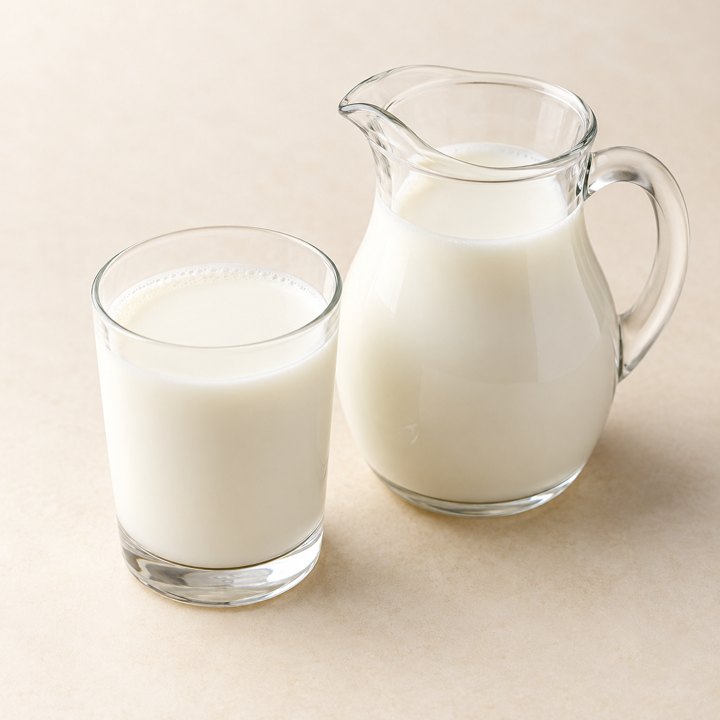
Milk, or doodh, usually means cow or buffalo milk in Pakistani recipes. Whole, reduced-fat, skimmed, UHT and pasteurised chilled milks differ in processing or fat, not merely packaging.
What it is and what to ask for
Milk, or doodh, usually means cow or buffalo milk in Pakistani recipes. Whole, reduced-fat, skimmed, UHT and pasteurised chilled milks differ in processing or fat, not merely packaging.
Choose pasteurised or UHT milk from a reliable supplier. Homogenised does not mean pasteurised, and a sealed-looking loose-milk container does not establish a safe heat treatment.
History, production and the Pakistan context
Dairying developed after animal domestication as communities learned to use and preserve milk. Pasteurisation, homogenisation and modern packaging came much later and perform different functions.
Pakistan and India have substantial cow and buffalo dairy systems; the United States and European countries also produce and trade milk products. Fresh liquid milk is less transport-stable than powder or concentrated dairy.
How to use it successfully
Use full-fat milk where richness and reduction matter, as in kheer. Stir during prolonged heating to prevent sticking, and remember that buffalo milk can behave more richly than a lower-fat packaged cow milk.
UHT milk can be shelf-stable while sealed only when packaged and stored according to the producer's directions. Once opened, it needs refrigeration like other opened milk. Buffalo milk's natural richness can change reduction time and the cream layer in traditional sweets, so keep a record of the product used when repeating a precise dessert recipe.
Nutrition, benefits and limits
Milk contributes protein, calcium and B vitamins. Lactose intolerance is different from milk allergy, and dilution or boiling does not convert milk into an allergy-safe food.
Choosing a replacement
Unsweetened fortified plant drinks can suit selected recipes but differ in protein and heat behaviour. Lactose-free dairy milk works similarly while still containing milk proteins.
When changing a dairy product, compare moisture, fat, acidity, sweetness and whether it must melt, whip or hold its shape. Preserve the recipe’s functional balance rather than only the spoonful count. A substitute should also meet the household’s actual dietary requirement; similar texture does not establish identical allergen suitability.
Safe handling and storage
Use pasteurised dairy products from a reliable cold chain or correctly processed shelf-stable packs. UHT or canned products may be kept without refrigeration only while sealed and according to the label. After opening, follow refrigerated-use instructions and use clean utensils, noting the date instead of relying solely on an unopened best-before date.
Acidity, concentration and fat level explain why one dairy product may split, whip or thicken while another does not. Add to hot dishes gradually and use the heat level appropriate to the recipe. Fermented products are not a substitute for safe storage, and sourness is not a reliable test for all hazards; some dairy foods are intentionally sour while unsafe contamination can be less obvious.
Milk allergy involves proteins, whereas lactose intolerance involves difficulty digesting milk sugar. Heating, fermenting or concentrating a product does not automatically make it suitable for either condition. Compare the actual label for fat, protein, sugar and sodium, especially in sweetened or diluted products. Freeze only where appropriate for the intended use: texture may separate after thawing even when safely handled, making a cooked use more practical than whipping or drinking.
Planning, portions and serving
For slow-reduced desserts, use a sufficiently wide heavy pan and stir the corners and base where solids can catch. Reduction concentrates both nutrients and energy, while added sugar changes the balance further. If changing from buffalo milk to lower-fat cow milk, expect differences in richness and cream formation. For a drink or breakfast use, choose milk's role deliberately: a sweetened milk beverage is not nutritionally identical to plain milk of the same volume.
Recipes and pantry links
Use milk according to the form specified in the linked recipe: raw versus cooked, bone-in versus boneless, sweetened versus plain, and the stated cut or processing style all affect the result. The ingredient discussion above explains which differences matter most here. Read the complete recipe before shopping, then measure the prepared usable quantity rather than assuming every package has the same yield.
- Gulab Jamun
- Besan Halwa
- Falooda
- Kashmiri Chai
- Multani Sohan Halwa
- Bombay Biryani
- Makhani Lassi
- Cappuccino
- Chicken Reshmi Handi
- Doodh Jalebi
- Gajar Ka Halwa
- Karachi Biryani
- Modur Pulao
For related ingredient names, local terminology and flavour pairings, browse the Pakistani ingredients and spices pantry guide.
Names and forms used in our recipes
View the recipe names covered by this guide
- cold milk
- cold whole milk
- full-cream milk
- full-fat milk
- milk
- milk for finishing
- pasteurized milk
- pasteurized whole milk
- plain milk
- warm milk for saffron
- warm milk to bloom saffron
- whole dairy milk
- whole milk
Frequently Asked Questions
Does homogenised mean pasteurised?
No. Homogenisation disperses fat, while pasteurisation is a heat treatment for microbial safety. Read the label for the actual heat process rather than assuming a smooth texture proves it.
What should I check before buying milk for these recipes?
Choose pasteurised or UHT milk from a reliable supplier. Homogenised does not mean pasteurised, and a sealed-looking loose-milk container does not establish a safe heat treatment. Match the stated plain or flavoured form and read the storage directions before opening the pack.
What is a practical substitute for milk?
Unsweetened fortified plant drinks can suit selected recipes but differ in protein and heat behaviour. Lactose-free dairy milk works similarly while still containing milk proteins. Make a small test where binding, melting or a delicate final texture is central, and adjust the recipe rather than treating different ingredients as identical.
Keep Exploring
Related places and stories on DailyLife.pk

How we know this
- Type Explainer
- Sources 8 (3 official/academic)
- Reviewed November 2026
- Disputed points None
8 sources
- FAO: dairy product types and characteristics
- FAO: milk processing
- FAO: traditional milk products in developing countries
- FAO: milk and dairy products in human nutrition
- OECD–FAO: dairy production and trade context
- FDA: raw milk questions and answers
- NIDDK: lactose intolerance definition and facts
- FDA: food allergies
Photo credits (1)
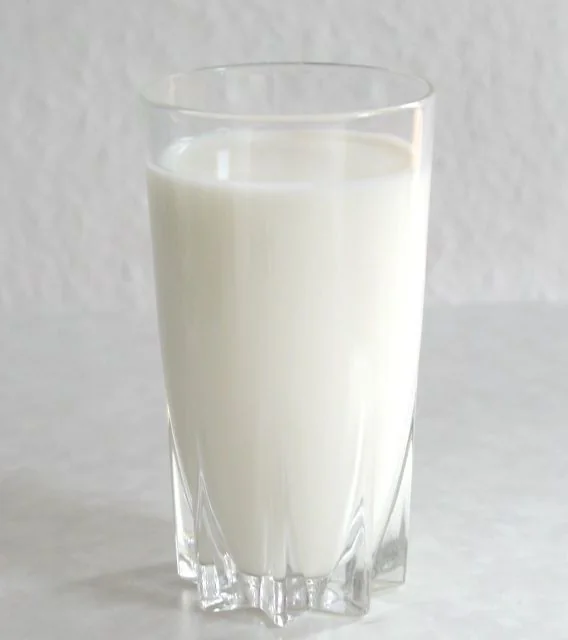
- Milk glass.jpg, Stefan Kühn, CC BY-SA 3.0, via Wikimedia Commons
