
Ingredients & Spices · The complete guide
Maple syrup
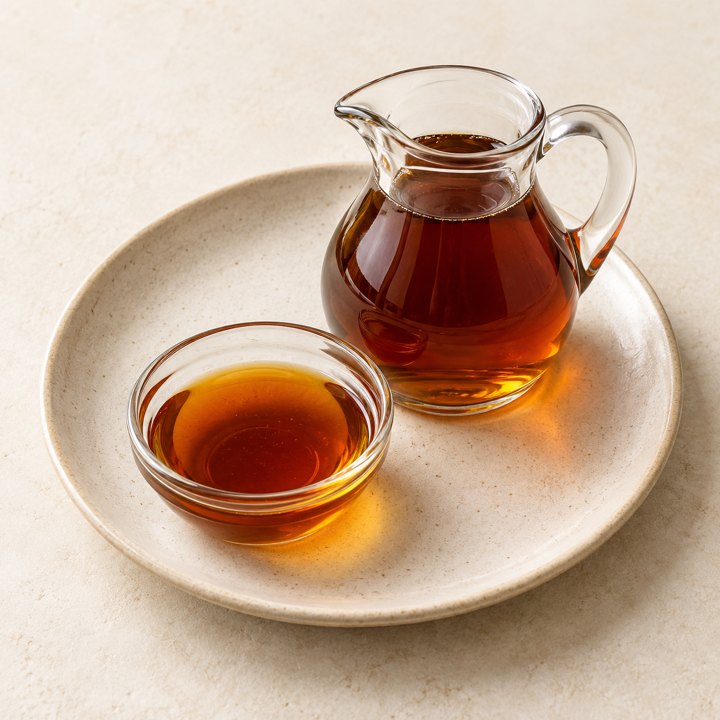
Maple syrup is a sweet liquid made by concentrating sap from suitable maple trees. It is sold by its English name in Pakistan.
What it is and local names
Maple syrup is a sweet liquid made by concentrating sap from suitable maple trees. It is sold by its English name in Pakistan. Pure maple syrup differs from maple-flavoured pancake syrup, which may be largely glucose syrup or another sweetener.
Origins and documented history
Its history belongs to Indigenous peoples of northeastern North America, who collected and concentrated maple sap before European settlement. University of Vermont sources emphasize that an exact discovery story is not documented. It should not be attributed to one European inventor.
Reference: University of Vermont Libraries: History of Maple.
Types and manufacture
Trees are tapped during suitable seasonal sap flow, and collected sap is concentrated, commonly by evaporation with modern pre-concentration methods in some operations. Syrup grades describe colour and flavour intensity. Darker syrup is not automatically defective or nutritionally superior.
Reference: Michigan Department of Natural Resources: How to make maple syrup.
Production, trade and Pakistan
Canada and the United States are the established commercial maple-syrup regions. Pakistani retail supply is generally imported or consists of maple-flavoured alternatives. The label should say whether it is pure maple syrup, and identify where it was produced.
Reference: Agriculture and Agri-Food Canada: Canadian maple industry, 2025.
How to use it
Use as a topping, in glazes or as a measured liquid sweetener in baking. Darker-flavoured syrup is noticeable in a sauce; a delicate version may be lost among strong spices. Adjust other sugar and liquid rather than pouring it freely into a precise batter.
Nutrition, benefits and limits
It is mostly sugar and water with small amounts of minerals and flavour compounds. Those trace nutrients do not make it a low-sugar food. Its practical benefit is distinctive flavour, which may let a modest amount be satisfying.
Drawbacks, allergens and precautions
Opened syrup can develop mould if stored improperly. Do not assume a natural product is indefinitely stable. A flavoured imitation may contain different sweeteners or additives, so read the actual label.
Substitutions and storage
Honey gives another aroma and is unsuitable for infants under twelve months. A brown-sugar syrup can replace moisture and sweetness but not authentic maple flavour. In a delicate dessert, the flavour difference will be obvious.
Refrigerate pure maple syrup after opening as directed. Use a clean pour and close tightly. Freeze a well-sealed reserve if the producer allows; do not scrape off mould and assume the remainder is safe.
What sugar does in a recipe
Sweetness is only one job of a sugar ingredient. Dissolved sugar binds some of the available water, changes the freezing behaviour of desserts and affects the tenderness of baked goods. Its concentration also determines whether a syrup stays pourable, coats a spoon or sets into a confection. These functions explain why replacing a measured sugar ingredient with a few drops of an intense sweetener rarely gives the same result. Work by weight when consistency matters, especially for sweets in which small changes in water content alter the final texture.
Controlling syrup and browning
Dissolve crystals over moderate heat before a syrup reaches a vigorous boil. For a smooth confection, avoid scraping dry crystals from the upper wall of the pan back into the liquid. If a recipe calls for caramel, use a pan that lets you see the colour clearly and take it off the heat before the residual heat makes it bitter. Hot concentrated sugar sticks to skin and causes serious burns. Cool a sample on a plate before tasting; never put a finger into boiling syrup to test its thread.
Benefits, limits and buying checks
A familiar sweetener can make a small serving of plain food enjoyable and can preserve a traditional flavour, but that is different from a medical benefit. Brown colour, a rustic appearance or a plant-based origin does not make a sugar ingredient suitable for unrestricted use. Trace minerals do not cancel its sugar content. Compare products by the ingredient list, the serving size and the function needed in the recipe. Buy clean, food-grade stock with intact packaging; dampness, insects and unidentifiable loose additives are reasons to choose another pack.
Weighing and replacing a sweetener
A tightly packed moist sugar and a loose dry sugar can have very different weights in the same cup. Break up lumps before weighing and follow whether a recipe specifies packed, sifted or granulated sugar. Replacing a dry sugar with a liquid sweetener adds water, so it can change baking time, spread and setting. Replacing a syrup with crystals removes water and may leave undissolved grains. For a casual drink, adjustment by taste is reasonable; for a pulled sweet, meringue or brittle, use a tested formula designed for that particular sweetener.
Recipes and the Pakistani pantry
Use this ingredient in Waffles. Explore related ingredients in the Pakistani ingredients and spices pantry.
Names and forms used in our recipes
View the recipe names covered by this guide
- maple syrup
Frequently Asked Questions
What should I check when buying maple syrup?
Look for pure maple syrup if authentic maple flavour is required. Maple-flavoured pancake syrup can use other sweeteners.
What can replace maple syrup in a recipe?
Honey gives another aroma and is unsuitable for infants under twelve months. A brown-sugar syrup can replace moisture and sweetness but not authentic maple flavour.
How should maple syrup be stored?
Refrigerate pure maple syrup after opening as directed. Use a clean pour and close tightly.
Keep Exploring
Related places and stories on DailyLife.pk

How we know this
- Type Explainer
- Sources 6 (3 official/academic)
- Reviewed November 2026
- Disputed points None
