
Ingredients & Spices · The complete guide
Lemongrass
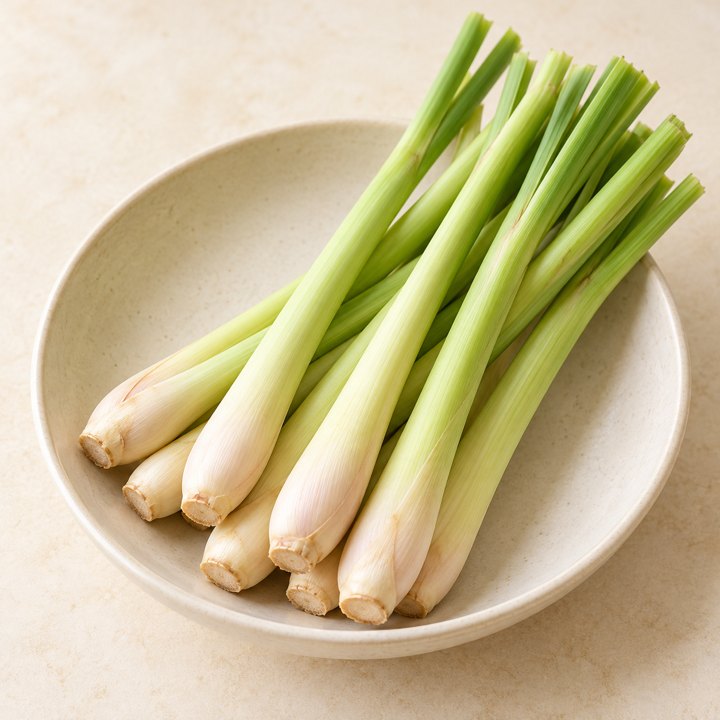
Culinary lemongrass is commonly Cymbopogon citratus. The firm pale lower stalk carries a clean citrus aroma; the tough green upper leaves are better for infusion than for chewing.
What it is and names to know
Culinary lemongrass is commonly Cymbopogon citratus. The firm pale lower stalk carries a clean citrus aroma; the tough green upper leaves are better for infusion than for chewing. It is not lemon balm or lemon verbena.
Origins, producing regions and Pakistan context
Kew records its native range in southern India and Sri Lanka. Its widespread Southeast Asian culinary role is a history of cultivation and exchange, not proof that a modern national cuisine invented the plant.
Thailand, Vietnam, Indonesia and other tropical countries cultivate lemongrass, alongside South Asian production and garden growing. Pakistani shoppers may find fresh, frozen or bottled chopped stalk.
Background: Royal Botanic Gardens, Kew: plant identity and range.

Types and buying advice
Choose firm fragrant stalks with a usable pale lower section. Dried leaves for tea are different from tender stalk intended for curry paste.
How to cook with it
Bruise stalk sections for soup and tea, or mince the tender inner base very finely into curry paste and marinades. Remove fibrous infusion pieces before serving.
Peel tough outer layers, trim the root end, and cut across the fibres. A blender may not remove woody texture unless the stalk is tender and sliced first.
There are two distinct preparation goals: large bruised pieces for infusion, and a very fine mince of tender inner stalk for eating. Confusing them leaves woody fragments in a curry paste. For a clear soup, tie stalk pieces together or count them so they can be removed. A bottled paste may contain salt, acid or other aromatics, so read the ingredients before using it as if it were plain freshly chopped lemongrass.
Try the ingredient in Thai Soup. Follow each recipes specified form and quantity, since whole pieces and fine powder season food differently.
For related pantry ingredients, see the Pakistani ingredients and spices guide.
For an aromatic tea, bruise a clean stalk section and steep it in hot water, then remove the fibrous pieces. This produces fragrance without the sourness of lemon juice. For a meat marinade, trim to the tender pale core and mince exceptionally finely so the stalk becomes part of the mixture rather than a tough strand. A smooth-looking blender mixture can still contain fibres, so inspect the texture. If only older tough stalk is available, use it for infusion and strain rather than insisting on blending the entire piece into food.
Nutrition and realistic benefits
The fresh ingredient adds aroma and can contribute small amounts of nutrients, depending on the quantity eaten. A few slices or a spoonful shared across a family pan are not the same dietary exposure as a large vegetable serving. Use it as part of a varied meal rather than increasing the amount to seek a therapeutic effect. Research involving extracts, capsules or isolated active compounds does not establish what the normal cooking portion will do.
Disadvantages and precautions
Lemongrass essential oil is not interchangeable with the food stalk. Food and herbal-tea use should not be expanded into unsupported claims that it detoxifies or treats illness.
Clean handling matters even for a small garnish. FDA food-safety guidance explains practical handling. Buying from a traceable food supplier is more dependable than trying to judge safety from appearance alone.
Substitutions and storage
Lemon zest with a little ginger provides a practical citrus aromatic substitute. Lemon juice supplies sourness, which lemongrass itself is not mainly used to provide.
Buy firm sound produce and reject obvious rot or mould. Wash under running water before cutting so the knife does not carry dirt into the flesh; do not use household detergent. Store the fresh ingredient appropriately chilled when it needs refrigeration, and freeze small prepared portions if a surplus would otherwise spoil. A frozen aromatic is often useful in a cooked dish even when it no longer has the texture of a fresh garnish. Keep it separate from raw meat juices.
Names and forms used in our recipes
View the recipe names covered by this guide
- lemongrass
Frequently Asked Questions
Which part of lemongrass can I mince for eating?
There are two distinct preparation goals: large bruised pieces for infusion, and a very fine mince of tender inner stalk for eating. Confusing them leaves woody fragments in a curry paste.
What can I use instead of lemongrass?
Lemon zest with a little ginger provides a practical citrus aromatic substitute. Lemon juice supplies sourness, which lemongrass itself is not mainly used to provide.
What is the main caution with lemongrass?
Lemongrass essential oil is not interchangeable with the food stalk. Food and herbal-tea use should not be expanded into unsupported claims that it detoxifies or treats illness.
Keep Exploring
Related places and stories on DailyLife.pk

How we know this
- Type Explainer
- Sources 3 (1 official/academic)
- Reviewed November 2026
- Disputed points None
3 sources
Photo credits (1)
- I-11 Sabze Mande, Islamabad.jpg, Pakieditor, CC BY-SA 4.0, via Wikimedia Commons
