
Ingredients & Spices · The complete guide
Korean rice cakes
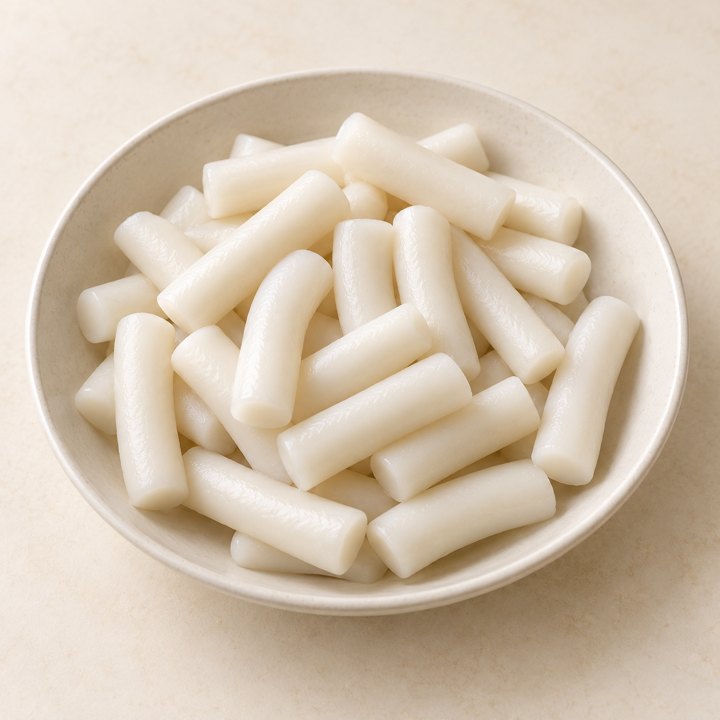
The cylindrical Korean rice cakes used for tteokbokki are called garaetteok or tteokbokki-tteok. They are dense, chewy pieces made from a rice-flour dough that has been steamed and worked into shape.
What it is and what to buy
The cylindrical Korean rice cakes used for tteokbokki are called garaetteok or tteokbokki-tteok. They are dense, chewy pieces made from a rice-flour dough that has been steamed and worked into shape. They are not the dry airy rice cakes sold as diet snacks, and not every Korean tteok is cylindrical or made from the same rice. Some commercial tteokbokki products contain wheat, so read the ingredient list rather than relying on the English words rice cake.
Tteok is a broad Korean family of grain cakes made through methods such as steaming, pounding and shaping. Garaetteok is a specific long white type that can be cut into short cylinders for tteokbokki or diagonal slices for soup. Its starch structure and concentrated dough explain the chew. A fresh product, refrigerated pack, frozen cake and shelf-stable processed pack can all need different handling. The package instructions take priority over an assumption that every cake is ready to eat.
Origins and food history
Korean official cultural-heritage material records a long history of rice-cake making, including references in documents from the Three Kingdoms period. Garaetteok belongs to that wider tradition, while the familiar spicy street-food use of rice cakes has its own later culinary development. There is no need to invent an individual discoverer for the ingredient. Evidence for ancient tteok does not prove that an identical modern chilli-sauced dish existed at the same date.
Reference: Korea.net: rice-cake heritage.
Growing regions, trade and Pakistan
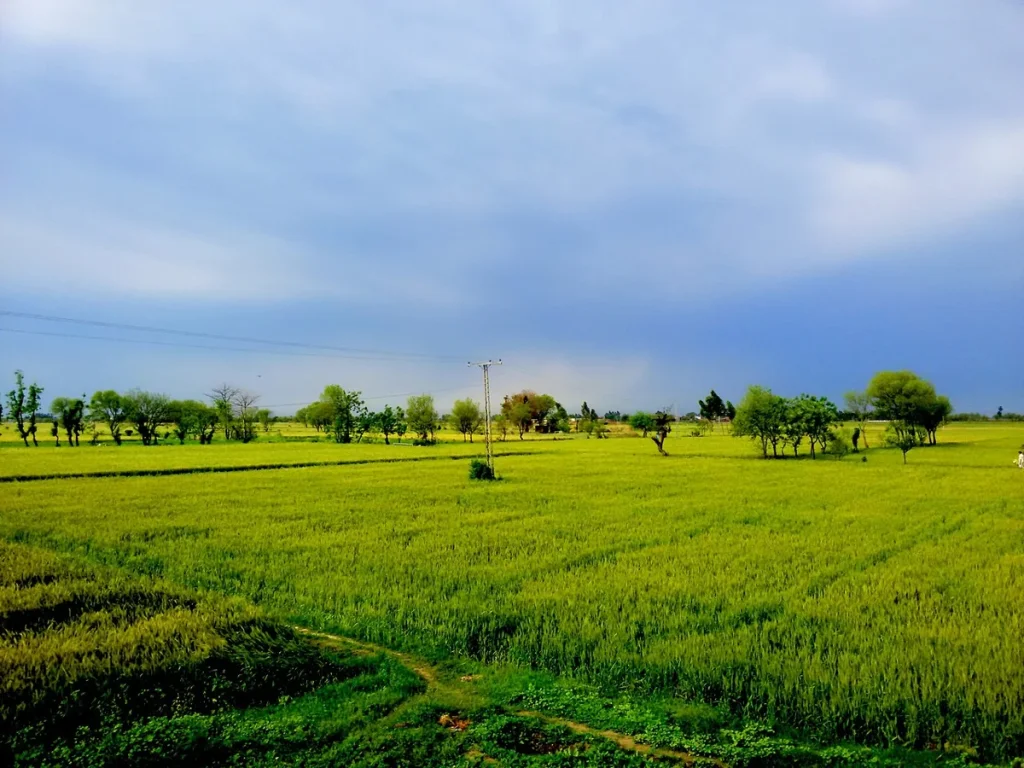
South Korea produces and exports packaged garaetteok, while Korean-style rice cakes are also manufactured elsewhere. Production of rice grain and manufacturing of a rice-cake product are separate industries. Pakistani shoppers will often encounter imported specialty packs or locally distributed frozen goods rather than a mainstream rice commodity. Check manufacturer, origin, storage temperature and ingredients. A Korean brand name does not itself establish the growing country of the rice or guarantee that the product contains only rice.
Reference: Korea.net: garaetteok and tteokguk.
How to prepare and cook it
Fresh soft cakes may go straight into the simmering sauce, while firm refrigerated or frozen products can need thawing or soaking according to the packet. Separate pieces gently before cooking so the sauce reaches all surfaces. Simmer until the centre is heated and pleasantly chewy, stirring enough to prevent sticking without tearing the cakes. Do not judge readiness only by a thick sauce: a cold centre can remain inside a large cake. The sauce also thickens as starch is released, so add a little liquid if it becomes too dense before the cakes soften.
Put this form of the ingredient to work in Tteokbokki. The method in each recipe determines whether it should be raw, soaked, ground, freshly cooked or chilled before it enters the dish.
Nutrition, benefits and their limits
Plain rice cakes are mainly a concentrated carbohydrate food, with composition affected by water content and any other flour used. They generally provide less fibre than an intact wholegrain staple. A tteokbokki meal may also include sugar, salty sauces, fish cake, cheese or vegetables, so assess the whole serving. Rice cakes are not inherently low-energy because the word rice appears in the name. Add suitable protein and vegetables if the dish is intended as a balanced main meal.
Allergies, disadvantages and safe handling
Dense chewy rice cakes can be a choking risk, particularly for young children and people with swallowing difficulties. Serve appropriate sizes and textures and encourage careful eating. Check wheat and other allergens in both cakes and sauce. Fresh or refrigerated cakes are perishable; follow the pack’s cold-chain instructions and do not leave cooked cakes warm for many hours. Rice-based foods need careful cooling because unsafe warm storage can permit bacterial growth. Reheating does not reliably repair a poorly stored product.
Practical substitutions
Thin oval tteokguk slices cook faster than cylinders and create a different shape, though they can suit an adapted sauce. Wheat-based tteokbokki cakes are another commercial option but contain gluten. Pasta or gnocchi makes a different dish and should not be described as the same rice-cake texture.
Keeping it fresh
Keep unopened rice cakes under the conditions specified by the manufacturer: chilled, frozen and shelf-stable products are not interchangeable. After opening, seal well and use promptly or freeze as permitted. Refrigeration can firm the texture through starch changes, so a hard cake is not automatically spoiled, but mould, sour spoilage odours or an uncertain cold chain require discarding. Cool cooked leftovers promptly in small containers, refrigerate and reheat thoroughly. Expect the sauce to thicken and the cakes to firm during storage.
For related ingredients and shopping terms, see the Pakistani ingredients and spices pantry guide.
Names and forms used in our recipes
View the recipe names covered by this guide
- cylindrical korean rice cakes
Frequently Asked Questions
Are these the same as puffed rice cakes?
No. Garaetteok is dense and chewy, while puffed rice cakes are dry and airy.
Are all Korean rice cakes gluten-free?
No. Some include wheat, and sauces may contain wheat-containing soy sauce or other ingredients. Check the complete product and recipe.
Keep Exploring
Related places and stories on DailyLife.pk

How we know this
- Type Explainer
- Sources 5 (2 official/academic)
- Reviewed November 2026
- Disputed points None
5 sources
Photo credits (1)
- RICE FIELDS IN PUNJAB, PAKISTAN.jpg, Faran104, CC BY-SA 4.0, via Wikimedia Commons
