
Kitchen item guide
Tea cup: ChoosingUsing and Caring for It
Choose a tea cup for a secure hot-drink grip, practical capacity and documented food use.
DailyLife.pk kitchen equipment collection
A cup for the way you serve chai
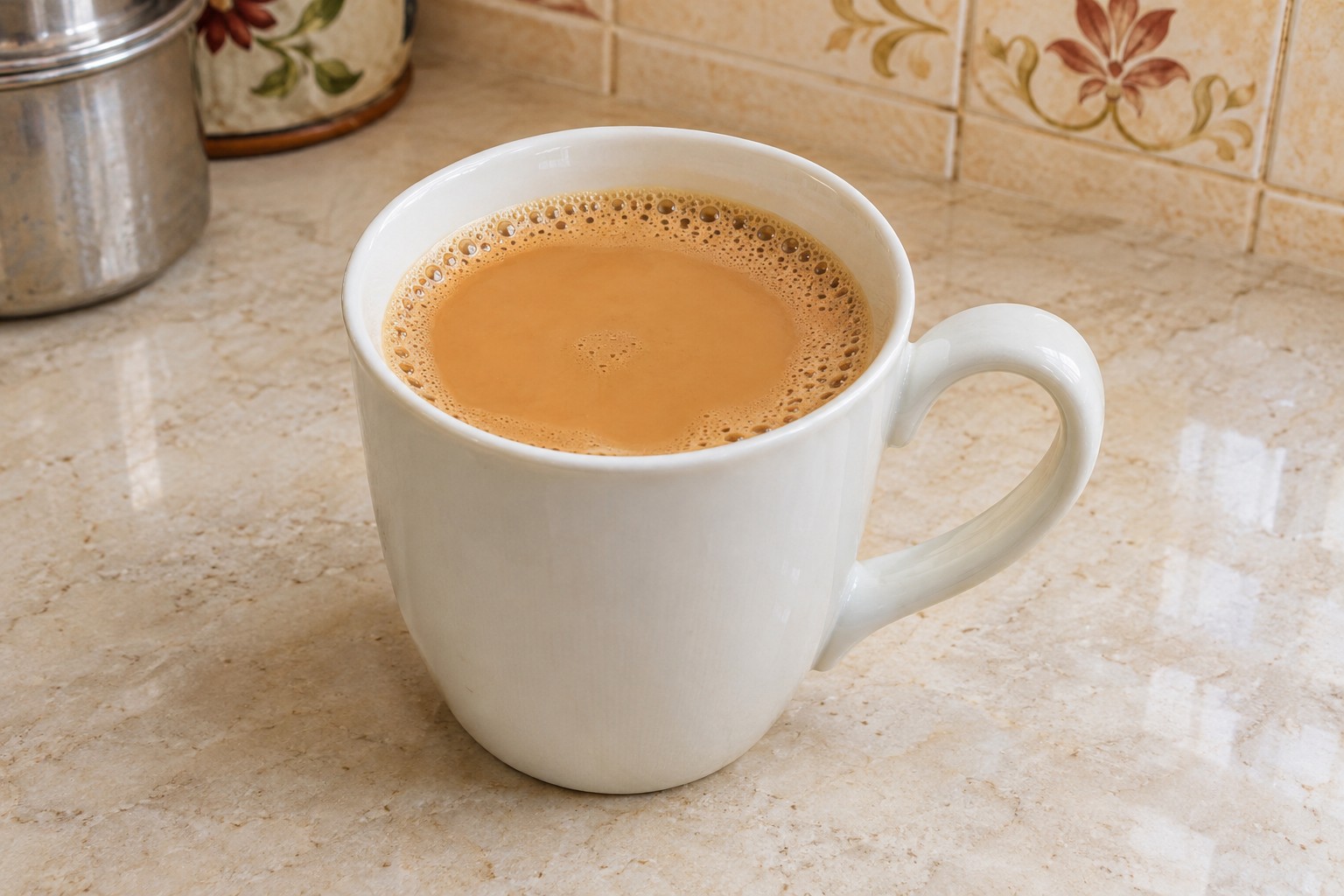
A tea cup holds a drink in a shape intended for comfortable sipping, often with a handle and matching saucer. It may be a small guest cup or a larger everyday cup for doodh patti. In a Pakistani household, the useful size depends on your pour and the number of rounds you serve, rather than on whether a set looks formal.
A fragile decorative cup may be suitable for display only. Before serving hot chai, establish food use, material and any heating restrictions.
Ceramic, glass and steel
Glazed ceramic cups offer many shapes; glass shows the drink; stainless steel is resilient but can become hot around the rim and body. Handle shape matters: a pretty tiny loop may be difficult to grip. As an editorial comparison, a cup around 150 ml suits a smaller guest serving, while one around 250 ml holds a larger everyday portion. These are examples, not standard tea requirements.
Choose ceramics from an identifiable foodware producer. The FDA’s lead-in-foodwares guidance explains concerns about lead in food-contact materials. Unknown decorative glazes should not be assumed suitable because they appear glossy.
Pour and carry carefully
Check the cup for chips and cracks, place it on a stable surface and leave room below the rim when pouring. Lift by a secure handle only if it remains sound and comfortable; do not assume the body stays cool. Keep cups of hot chai away from a table edge, especially where children can reach.
Microwave permission is separate from ordinary serving suitability. Do not put metal-trimmed or unmarked cups into a microwave. BfR’s guidance on melamine-formaldehyde tableware warns against its use with hot liquid foods and in microwaves, so a light plastic-looking cup needs identified material rather than guesswork.
Buying a set you can use
Try the handle with a cool empty cup and check that its base sits flat. Ask for usable capacity, material and washing or microwave directions. Matching saucers should support the cup’s foot securely. A cup that fits a guest tray but not your fingers is a poor practical choice.
Crockery shops allow you to compare weight and grip. With online sets, inspect the rim and handle joins on arrival and check whether replacement single cups are available. Consider cupboard height and whether daily cups can be stacked without stressing handles.
Wash without stressing the handle
Wash tea residue with a soft sponge and appropriate detergent, rinse and dry. Follow dishwasher guidance, especially for metallic decoration. Do not knock spoons hard against a ceramic rim or force stacked cups apart. Avoid sudden temperature changes with glass unless its producer expressly permits them.
Stop using a cup with a sharp chip, a cracked handle or a damaged rim. Fine decoration wear is different from a structural crack, but unknown flaking decoration in a food-contact area needs assessment. Store handles clear of pressure from heavy plates rather than balancing a tower of mismatched cups.
Everyday alternatives
A familiar mug may be simpler for daily chai and usually avoids a separate saucer. A small tea cup gives controlled serving portions but needs more refilling. A suitable glass works only when its hot-drink instructions permit it; a thin decorative tumbler is not automatically heat-resistant. Reuse the foodware you can grip and clean comfortably before buying a ceremonial set.
Frequently Asked Questions
Can every ceramic cup go in a microwave?
No. Check the maker’s instructions, including any metallic decoration.
Is a small cup always better for guests?
Choose a comfortable portion and grip for your guests; capacity is a practical preference.
Should I use a chipped cup?
A sharp or damaged drinking rim is a reason to stop using it.
How we know this
- Type Explainer
- Sources 3 (2 official/academic)
- Reviewed November 2026
- Disputed points None
3 sources
- Lead in food and foodwares, US Food and Drug Administration
- Melamine-formaldehyde tableware questions, German Federal Institute for Risk Assessment
- Prevent burns and scalds in the kitchen, US Fire Administration
Photo credits (1)
- One white glazed ceramic tea cup with a comfortable single curved handle, filled with milky Pakistani chai, no saucer, on a pale counter., DailyLife.pk, All rights reserved
