
Kitchen item guide
Side plate: ChoosingUsing and Caring for It
Choose a side plate for snacks and small servings without crowding the tea setting.
DailyLife.pk kitchen equipment collection
A smaller plate with a clear role
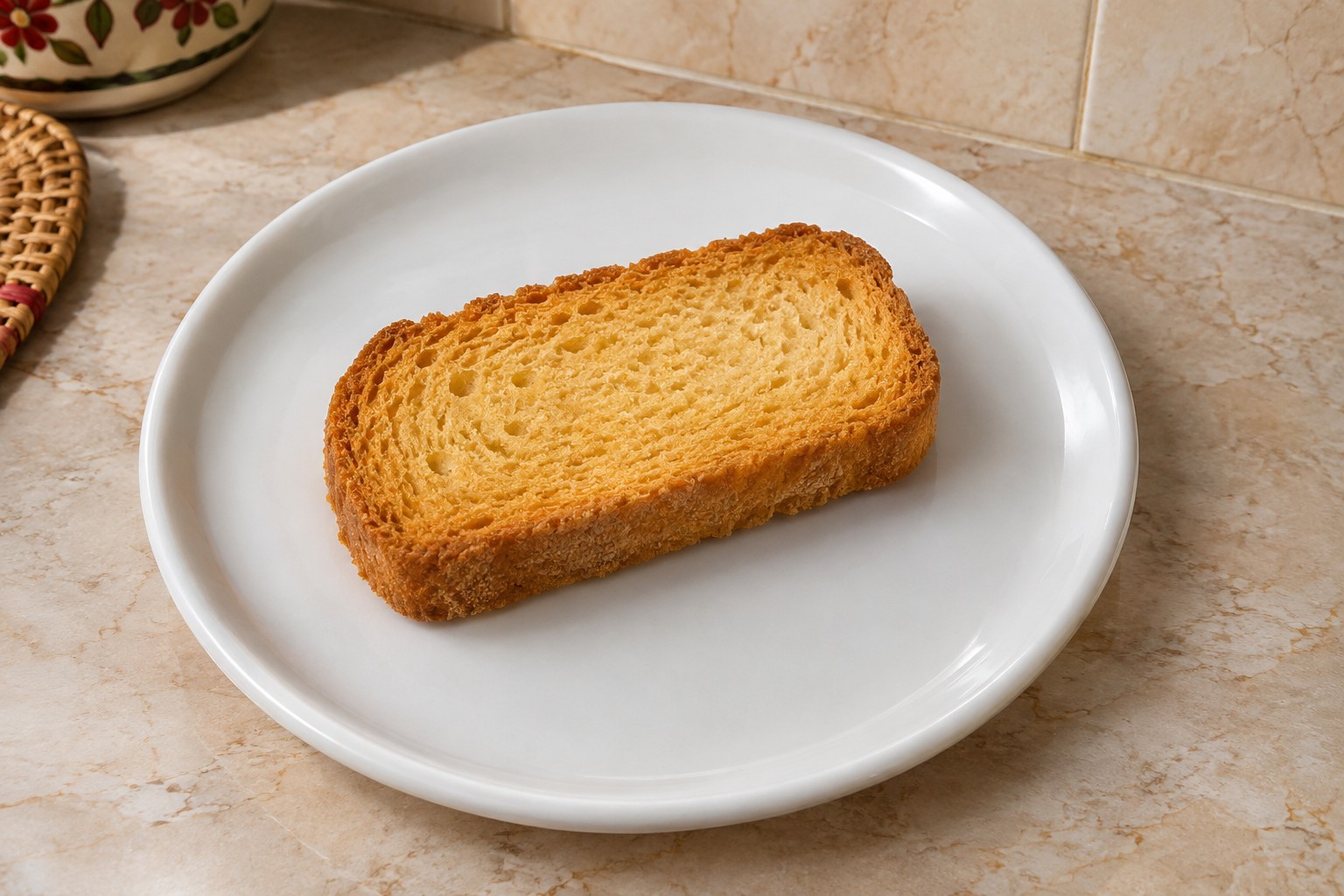
A side plate holds a small portion beside the main meal or tea cup. It can carry rusks, biscuits, a slice of cake or a samosa at a Pakistani tea table. It also keeps a small piece of roti or a condiment portion away from a full dinner plate. Its usefulness depends on leaving enough room to eat without dropping crumbs over the edge.
It is different from a saucer. A saucer’s locating well may make food sit awkwardly, while a flat side plate does not necessarily hold a cup securely.
Flat centre and rim choices
Some side plates are nearly flat; others have a raised rim or shallow bowl profile. Ceramic, glass and stainless choices differ in weight and breakage. A heavily decorated rim reduces the central eating area. As an editorial example, compare a plate around 17 cm with one around 20 cm using the snack you regularly serve.
Check identified food-contact use, especially on decorative ceramics. FDA’s foodware guidance explains why unknown glazes should not be judged only by colour or shine. A wall plate or ornamental souvenir belongs outside the food routine unless documented for food use.
Serve the snack comfortably
Set the plate on a stable table and portion food so fingers or cutlery have room to move. Put wet chutney in a suitable separate dish if it would make a pastry soggy or run across a very flat plate. Keep the handle of a hot cup clear rather than crowding the snack plate directly against it.
Use clean serving utensils for shared snacks. Follow FoodSafety.gov’s clean-and-separate guidance when moving from raw preparation to ready-to-eat service. A plate that held raw kebab mixture must be washed appropriately before it receives cooked snacks.
Buy around the real tea service
Arrange a cup, saucer and an example snack plate on your table before choosing a set size. Check stacking height and cupboard fit. A small plate can be surprisingly heavy when made from thick stoneware, so consider children and guests who may carry it while seated.
Crockery shops can compare single replacement pieces, while online listings should give material, diameter and care information. Inspect rims and underside feet on arrival. If you often serve sticky desserts, a broad flat central area may be more useful than a narrow decorative border.
Cleaning and replacement signs
Remove crumbs and sticky residues promptly. Wash with the method permitted for the plate, avoiding abrasive scrubbing on glaze and decoration. Follow microwave and dishwasher markings separately; permission for one does not imply the other. Dry before stacking and avoid grinding rough feet across the upper surface of the plate below.
Remove plates with sharp chips, cracks or an unstable base from food service. Do not conceal a chipped rim beneath a paper doily. Fine utensil marks can be cosmetic, but a damaged food-contact surface that sheds material needs a different assessment.
When another dish is enough
A side plate makes individual snacks neat and avoids a large dinner plate for one biscuit. It also adds washing and storage. A small food-safe bowl works for messy fruit or chaat, while a dinner plate can serve a larger tea snack. Use what suits the food rather than buying several near-identical sizes that crowd the cupboard.
Frequently Asked Questions
Is a side plate the same as a saucer?
No. A side plate holds food; a saucer is shaped primarily to support a cup.
Can I reheat a snack on it?
Only if the plate’s maker permits that reheating method.
What size should I buy?
Choose around your usual snack and table space; example diameters are not universal standards.
How we know this
- Type Explainer
- Sources 3 (2 official/academic)
- Reviewed November 2026
- Disputed points None
3 sources
- Lead in food and foodwares, US Food and Drug Administration
- Four steps to food safety, FoodSafety.gov
- Melamine-formaldehyde tableware questions, German Federal Institute for Risk Assessment
Photo credits (1)
- One empty small round white ceramic side plate holding a single plain rusk for scale, prominent, shallow rim., DailyLife.pk, All rights reserved
