
Ingredients & Spices · The complete guide
Khus syrup
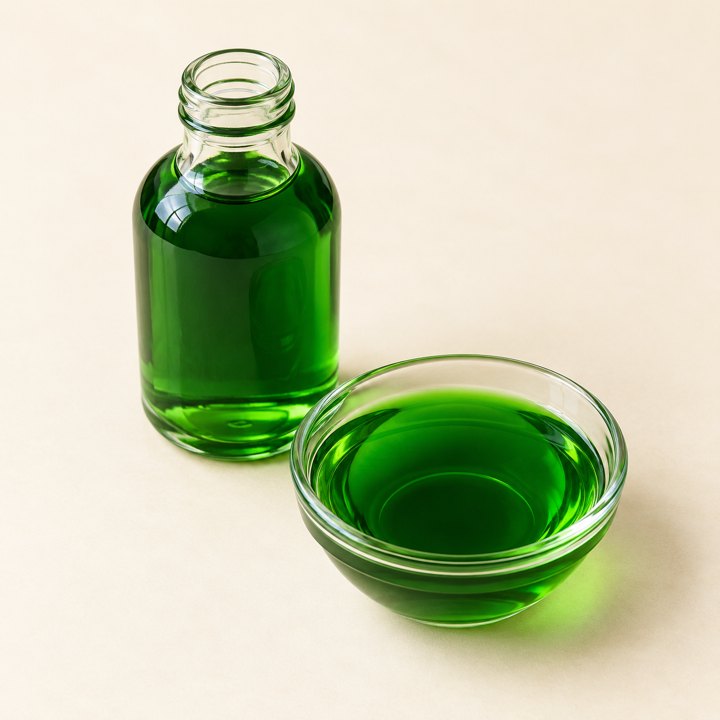
Khus syrup is a sweet beverage concentrate associated with the aroma of vetiver roots, Chrysopogon zizanioides. In Pakistan it is used for khus sharbat.
What it is and local names
Khus syrup is a sweet beverage concentrate associated with the aroma of vetiver roots, Chrysopogon zizanioides. In Pakistan it is used for khus sharbat. Khus is not khus khus, the name often used for poppy seed; the similar words identify different ingredients.
Reference: Singapore NParks: Chrysopogon zizanioides.
Origins and documented history
Vetiver has a longstanding South Asian history as an aromatic root used in cooling screens and fragrant preparations. Bottled green beverage syrup is a separate manufactured food. A precise first date or discoverer of khus sharbat is not established by the botanical sources.
Types and manufacture
Products may combine sugar syrup, food-grade vetiver flavour, acids, permitted colour and preservatives. Not every green syrup is a direct root infusion. A colourless botanical distillate, a perfume oil and a ready-to-dilute syrup have different uses and strengths.
Production, trade and Pakistan
Vetiver is cultivated in tropical countries including India and Indonesia for aromatic uses. Pakistan sells khus drinks and concentrates through food retailers. A botanical growing country is not necessarily the manufacturing country of a particular syrup.
How to use it
Dilute with chilled potable water according to the bottle, then add safe ice if desired. Mix before pouring over ice so the bottom of the glass is not excessively sweet. A little citrus can change the flavour, but test the actual syrup first.
Nutrition, benefits and limits
The syrup mainly contributes sugar and energy. Its refreshing aroma does not establish a medical cooling effect or a treatment for dehydration. Plain safe water remains important, particularly in hot weather.
Drawbacks, allergens and precautions
Use food-grade beverage products only; vetiver essential oil sold for fragrance is not an equivalent edible ingredient. Check colours, preservatives and other declared ingredients if a sensitivity matters. Green colour cannot establish purity.
Substitutions and storage
Another sharbat syrup can replace sweetness and colour but gives a different drink. Plain water with a little sugar and lime is a simpler alternative. Do not substitute poppy seeds because of the similar name.
Follow the concentrate’s opening instructions. Refrigerate the diluted drink, especially after adding fruit or milk. Keep the bottle rim clean and do not store a used wet spoon inside the syrup.
Choosing a beverage syrup
A concentrated syrup is designed to be diluted. The useful information on the bottle is its ingredient list, recommended dilution and instructions after opening. Similar-looking products may be made with fruit juice, botanical extracts, permitted flavourings or combinations of these. Colour alone cannot identify the botanical ingredient or prove that the syrup contains a meaningful quantity of it. Start with less concentrate than you think you need, stir with safe drinking water, then adjust. This makes it easier to control sweetness when other ingredients already contain sugar.
Using syrup without losing balance
Chill the base drink before adding syrup and ice; otherwise melting ice can make the final drink both weak and unevenly sweet. For a layered dessert, cool the custard, milk or cream before spooning in a strongly coloured syrup so that the colour does not spread immediately. In a frozen dessert, extra syrup softens the freeze as well as adding flavour. A syrup that tastes balanced in a glass of water may make a cake filling too sweet, so test a small batch rather than increasing it solely for a stronger colour.
Nutrition and safe handling
The main nutritional contribution of most beverage syrups is sugar and energy, not a substantial serving of fruit or herbs. Traditional associations with refreshment do not establish treatment for heat illness, digestion problems or other conditions. Keep serving quantities modest and use plain water as the routine hydration drink. Measure with a clean, dry spoon or pour without touching the rim. Do not top up a partly used bottle with homemade syrup. Once water or food is introduced, the original concentration and preservation system can no longer be assumed to protect the contents.
Storage after dilution
A concentrated bottle and a ready-to-drink jug are different foods. Once a syrup is diluted, do not assume that its original shelf life applies. Use a clean covered jug, refrigerate the prepared drink, and make a quantity that can be served promptly. Fruit pieces, soaked seeds and dairy additions introduce their own storage requirements. For a party, keep a chilled reserve and refill a smaller serving jug instead of leaving the entire batch warm for hours. Discard a drink that has been mishandled rather than trying to make it safe by adding more syrup.
Recipes and the Pakistani pantry
Use this ingredient in Khus Sharbat. Explore related ingredients in the Pakistani ingredients and spices pantry.
Names and forms used in our recipes
View the recipe names covered by this guide
- food-grade khus beverage syrup
Frequently Asked Questions
What should I check when buying khus syrup?
Choose an edible beverage concentrate with a clear ingredient list. Green colour does not prove vetiver content, and khus is not poppy seed.
What can replace khus syrup in a recipe?
Another sharbat syrup can replace sweetness and colour but gives a different drink. Plain water with a little sugar and lime is a simpler alternative.
How should khus syrup be stored?
Follow the concentrate’s opening instructions. Refrigerate the diluted drink, especially after adding fruit or milk.
Keep Exploring
Related places and stories on DailyLife.pk

How we know this
- Type Explainer
- Sources 6 (2 official/academic)
- Reviewed November 2026
- Disputed points None
