
Ingredients & Spices · The complete guide
Kataifi
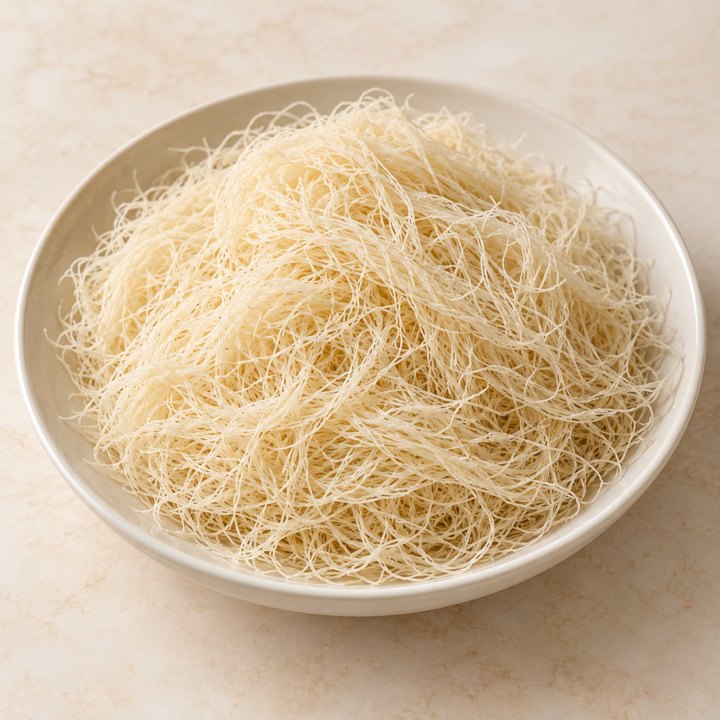
Kataifi, also written kadayif or kadaif, is fine shredded pastry that resembles thin noodles but is designed for baking or frying in layered sweets.
What it is and names used in Pakistan
Kataifi, also written kadayif or kadaif, is fine shredded pastry that resembles thin noodles but is designed for baking or frying in layered sweets.
Origin and historical context
It belongs to shared Ottoman and eastern Mediterranean pastry traditions; its name covers several related regional desserts.
Types, manufacture and buying
A thin batter is drizzled into fine threads onto a hot surface, then collected in soft nests or sheets. Raw chilled or frozen strands differ from pre-baked ready-to-eat nests.
Determine whether the product is raw, part-cooked or ready to eat and whether it needs refrigeration or freezing. Similar-looking pastry can contain butter, margarine, shortening or a blend, affecting flavour and dietary suitability. Inspect wheat, milk, egg and nut statements rather than assuming a plain appearance means a short ingredient list. Choose a pack size that can be used without repeated thawing. Frozen pastry should feel properly frozen when bought, and damaged packaging or evidence of repeated temperature changes can signal poorer quality.
Reference: Athens Foods: Kataifi ingredients and handling.
Production, trade and the Pakistani pantry
Türkiye, Greece and nearby countries have kataifi industries; Pakistani users generally encounter frozen imported pastry or specialist confectionery supplies.
Cooking uses and practical substitutions
Loosen gently with fingers and distribute melted fat evenly for a crisp dessert. Keep the unused portion covered. Very fine vermicelli is only a visual substitute and will not reproduce the pastry structure.
Set out the filling and equipment before exposing delicate dough to the air. Keep portions covered and work in small batches so the pastry neither dries out nor becomes excessively warm. Moist fillings should normally be cooled before contact with raw pastry, and excess liquid should be drained. Measure added fat rather than saturating every layer automatically. Follow the product’s intended cooking method and oven temperature; appearance alone can conceal a damp or raw centre. For syrup desserts, follow the recipe’s temperature instructions so the final texture is controlled.
Nutrition, benefits and limitations
Pastry is commonly a source of refined carbohydrate, and many versions also contain a substantial amount of fat. Butter or some shortenings can raise saturated-fat intake, while syrup and sweet fillings add sugar. Plain pastry is not nutritionally identical to the completed dessert: nuts, dairy, meat or vegetables change the final meal. A smaller portion with fruit or another less rich accompaniment can be satisfying without requiring a health claim. Baking does not automatically make a pastry low-fat if fat is already incorporated in the dough or between its layers.
Wheat is usual, and finished desserts may add nuts, dairy and substantial sugar. Check whether the product is raw.
Practical notes and common mistakes
Kataifi should be teased apart gently before fat is distributed through it; a compressed block can brown outside while remaining dense within. If forming nests, use a light touch and leave room for hot air to reach the strands. Syrup timing controls whether the final dessert is crisp, lightly softened or thoroughly soaked, so follow the particular recipe. Do not replace it with raw wheat vermicelli without an adapted method: similar thinness does not mean the two products hydrate, fry or bake in the same way.
Storage and safe handling
Follow the manufacturer’s thawing instructions, usually allowing frozen dough to soften under controlled chilled conditions rather than on a hot counter. Reseal unused portions promptly when the product permits it. Once filled with meat, dairy or moist cooked vegetables, handle the assembled dish as perishable food. Cool leftovers promptly, refrigerate at 4°C or below and use within the shorter of the recipe guidance or general three-to-four-day leftover window. Dry crisp products need protection from humidity and odours. Discard mouldy or rancid pastry rather than trying to refresh it by baking.
Recipes and related pantry reading
Use the form and quantity specified in each recipe, then adjust for the concentration, salt and moisture of the product you have bought. These dishes show where the ingredient fits in a complete preparation.
For related local names and pantry ingredients, see the Pakistani ingredients and spices guide.
Names and forms used in our recipes
View the recipe names covered by this guide
- kataifi pastry
Frequently Asked Questions
Is kataifi a noodle?
It resembles strands, but it is shredded pastry intended for appropriate baking or frying.
Can vermicelli reproduce kataifi exactly?
No. Similar appearance does not mean the same hydration, structure or baking behaviour.
Keep Exploring
Related places and stories on DailyLife.pk

How we know this
- Type Explainer
- Sources 2 (1 official/academic)
- Reviewed November 2026
- Disputed points None
